

Ghost of the Brush: Ilya Bliznets on Painting Beyond the Digital Canvas
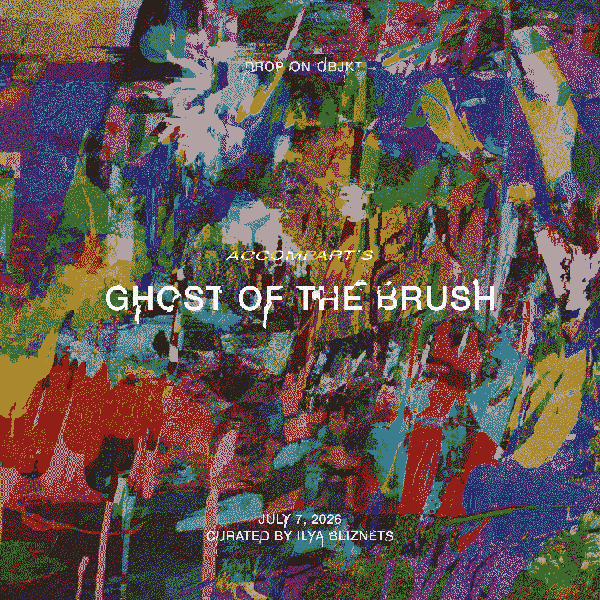
What remains of painting after the image has fully entered the digital realm? In this exclusive interview, artist and curator Ilya Bliznets reflects on the concept behind Ghost of the Brush, discussing digital painting, AI, image-making, and why the gesture of painting continues to exist beyond the physical brush.
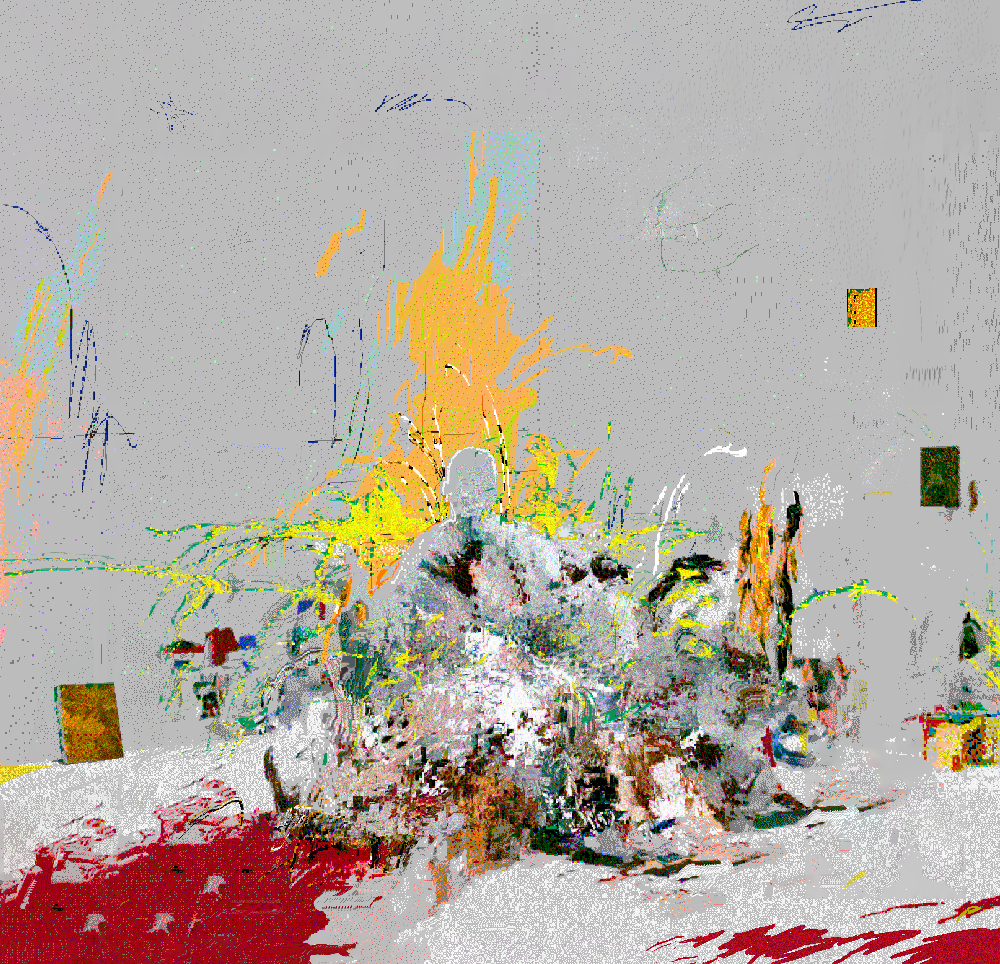
Ilya Bliznets - Optimist
Ilya Bliznets
Ilya Bliznets (b. 1997, Russia) is an artist working in the field of figurative art. In 2016, he enrolled at a polytechnic university in the Department of Roads and Airfields; however, in 2017 he interrupted his studies due to an interest in contemporary art and painting. From 2017 to 2018, he was part of the art group “Cosi o cosa,” which consisted of three artists. The members of the group created collaborative paintings, participated in group exhibitions, and also held two solo exhibitions in Ivanovo and Moscow. Since 2023, he has been actively participating in exhibitions of digital art and NFTs.
His practice moves from traditional painting into the digital space, preserving a painterly approach. He explores how painting can exist within digital media, using layering, textures, and artifacts as core elements. His work focuses on inner human states – vulnerability, anxiety, and emptiness.
Interview with Ilya Bliznets
Curator of Ghost of the Brush
ACCOMPART'S Digital Art Auction 2026
A/ Why is the auction called Ghost of the Brush? What does the “ghost of the brush” mean to you?
For me, Ghost of the Brush is not about nostalgia for classical painting, nor is it an attempt to bring the physical brush back into digital art. Rather, it is a question of what remains of painting when the familiar tool disappears.
The brush can be replaced by a screen, code, an algorithm, a neural network, a graphic tablet, or an interface. But with that, color, form, surface, composition, gesture, and visual tension do not disappear.
This “ghost” is the trace of painting within new processes of image-making. It appears not in the tool itself, but in the way one sees, chooses, constructs, and feels an image.
The brush can be replaced by a screen, code, an algorithm, a neural network, a graphic tablet, or an interface. But with that, color, form, surface, composition, gesture, and visual tension do not disappear.
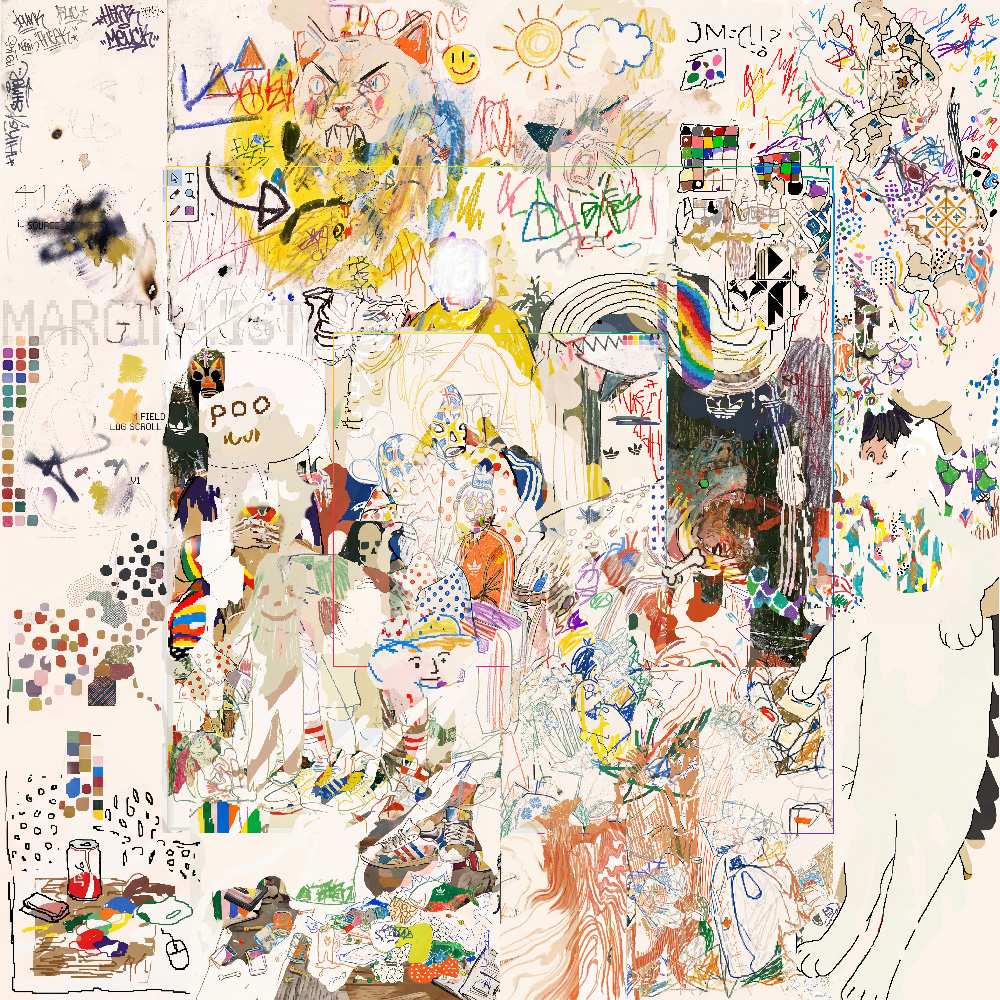
grebenshi - ☹.jpg
A/ What connects the artists in Ghost of the Brush?
The artists in this auction work with very different tools: digital painting, computer art, generative systems, AI, and hybrid image-making practices. For me, it was important not to group them by technique, but to find a shared field between these practices.
This field is connected to attention toward the image as a living visual space. How it is constructed, how it holds the viewer’s gaze, how color, surface, texture, and atmosphere operate within it.
Some artists arrive at this through layers and gesture, others through code, AI texture, collage, or interface. But in each case, what interests me is not the technology itself, but how the artist turns it into an artistic language.
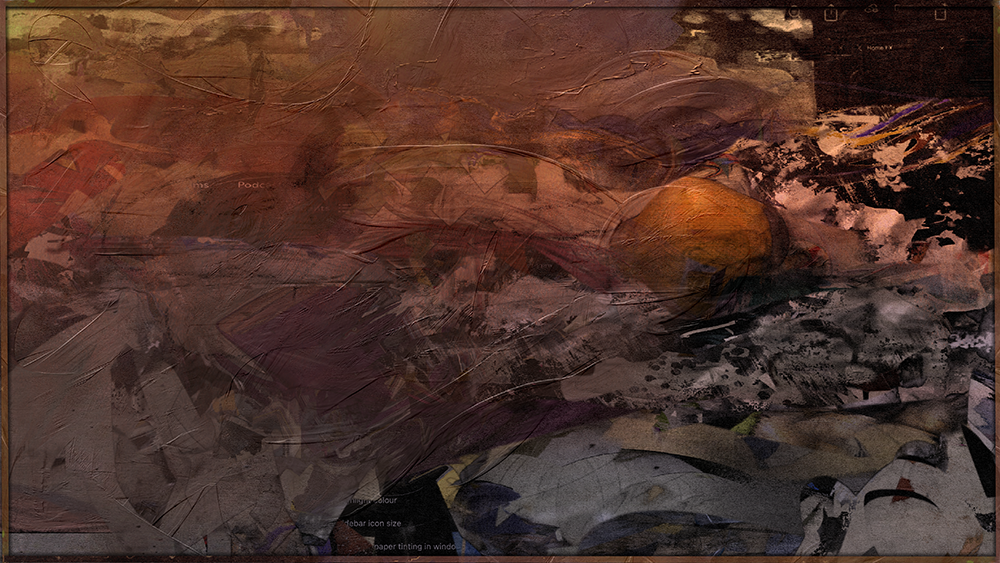
W74 - First Come Soft Serve
A/ What were you looking for when selecting the artists and works for the auction?
I was not looking for a specific style or a single technical category. What was important to me was to feel that the artist had their own relationship to the image.
I was interested in works where the digital environment becomes part of the artistic process. Where pixels, layers, algorithms, errors, interfaces, or AI processes begin to function as material, rather than simply as a technical effect.
During the selection, I paid attention to composition, color, surface, internal structure, and the overall visual tension of the work. It was important to me that each work, in its own way, responded to the main question of the auction: how can painting exist after the brush?
It was important to me that each work, in its own way, responded to the main question of the auction: how can painting exist after the brush?
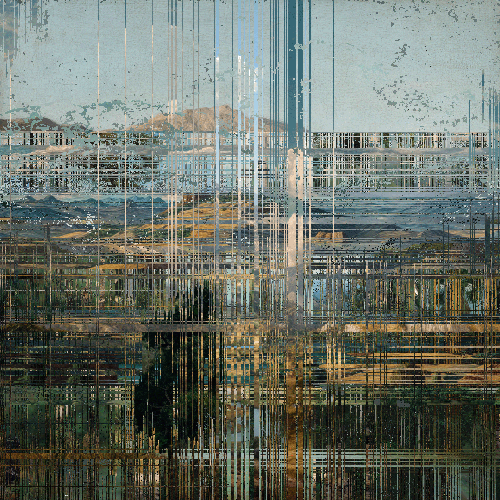
Helio Santos - Machine Memory (Border Study)
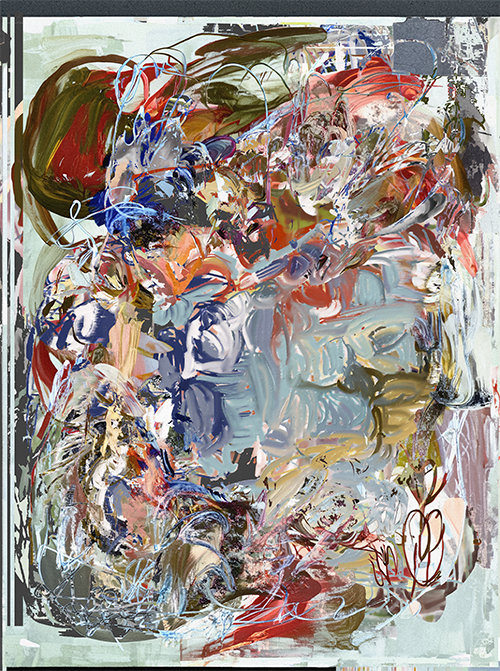
Lisanne Haack - from scraps
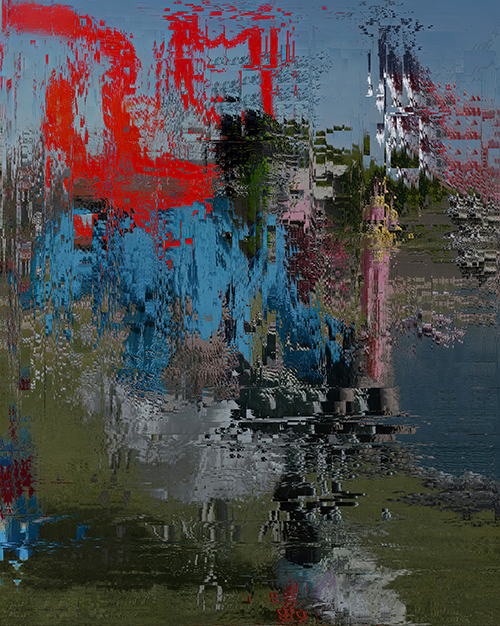
Daria Rastunina - Studies in the Open Air
A/ What remains of painting when the image fully enters the digital environment?
I think what remains is not the brush itself, and not necessarily the physical surface. What remains is the internal logic of painting.
In the digital environment, painting loses part of its materiality, but gains other materials: pixels, layers, data, algorithms, errors, and processing. It becomes less tied to the object and more connected to the way an image is constructed.
For me, Ghost of the Brush is exactly about this. Painting does not disappear when it moves onto the screen. It changes its form, but preserves its ability to create depth, presence, and emotional tension within the image.
In the digital environment, painting loses part of its materiality, but gains other materials: pixels, layers, data, algorithms, errors, and processing.
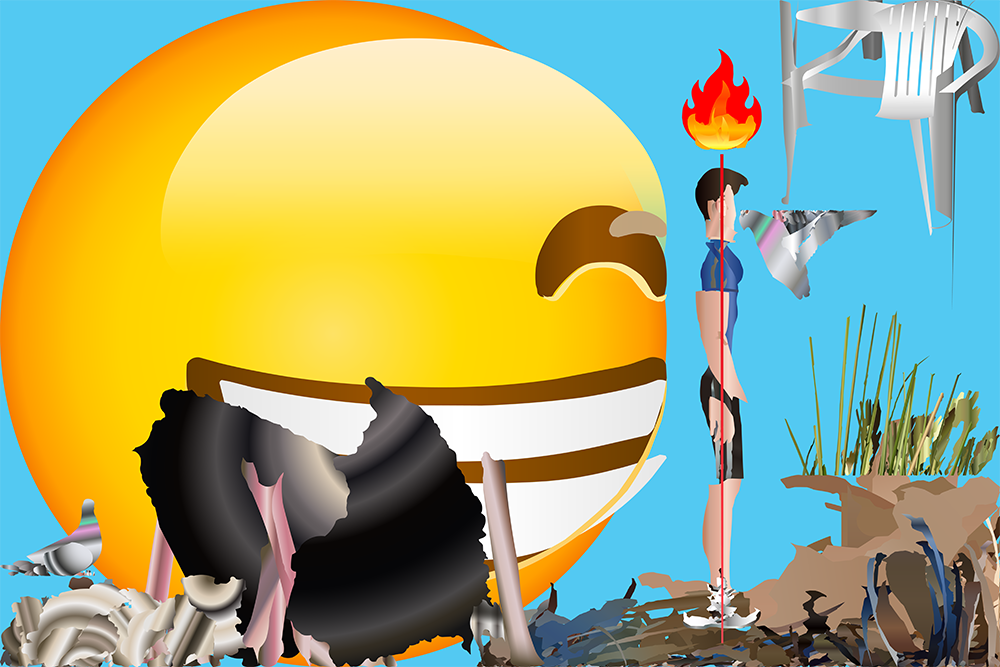
danctrl - a walk
Ilya Bliznets // @ilyabliznets