

BUBLE for Code Artists: Five Commandments to Observe in Generative Art
Devoted to the “Prayer for Wisdom” auction (Dec 17–24 on Accompart's platform, curated by @Shendrik_NFT), this article highlights five critical issues in generative art: provenance gaps, excessive iterations, ownership misconceptions, file format myths, and misplaced emphasis on on-chain storage.
Devoted to the Generative Art Auction "Prayer for Wisdom" Dec 17-24
on Accompart's Auction House platform, curated by Shendrik (@Shendrik_NFT)
I am curating a landmark auction dedicated to generative art—arguably the most promising genre of computer-based art for creative investment since 2021. However, while working on this auction, I have uncovered substantial misunderstandings and systemic issues within platforms responsible for generative art (GA) minting. These oversights could threaten the long-term value and trust collectors place in generative artworks.
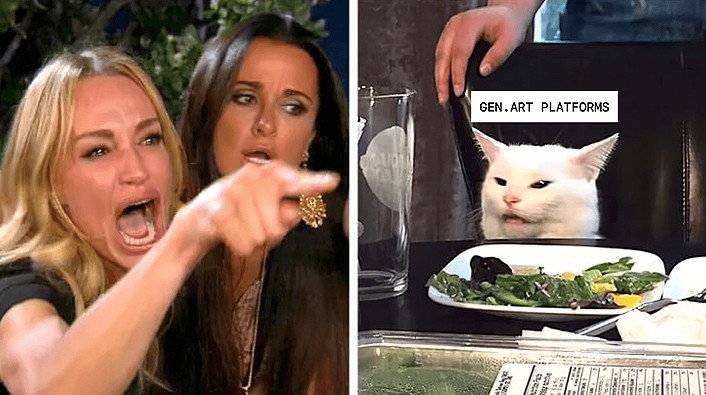
An auction house serves as the ultimate space for the secondary art market, where curation is paramount. Our responsibility is not just to present artworks collectors love but to guide them toward meaningful purchases that can evolve into enduring family investments. However, five significant misunderstandings in the generative art ecosystem require immediate reflection and reform:
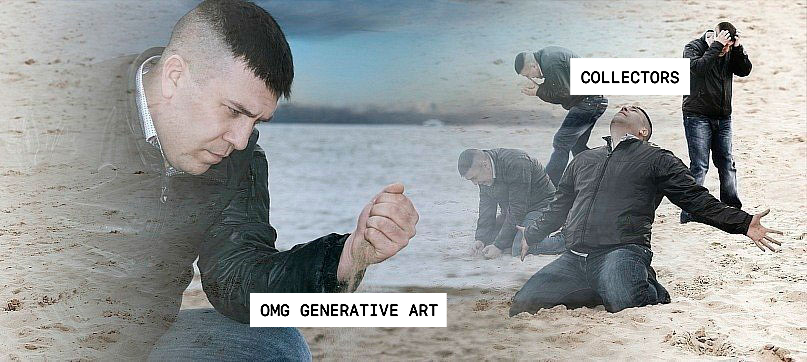
1. Provenance Problems Will Undermine Future Generative Artwork Value
The blockchain has revolutionized provenance, offering an irrefutable record of authorship and ownership—a tool the art world has dreamed of for centuries. Yet, platforms minting generative art have failed to leverage this technology properly.
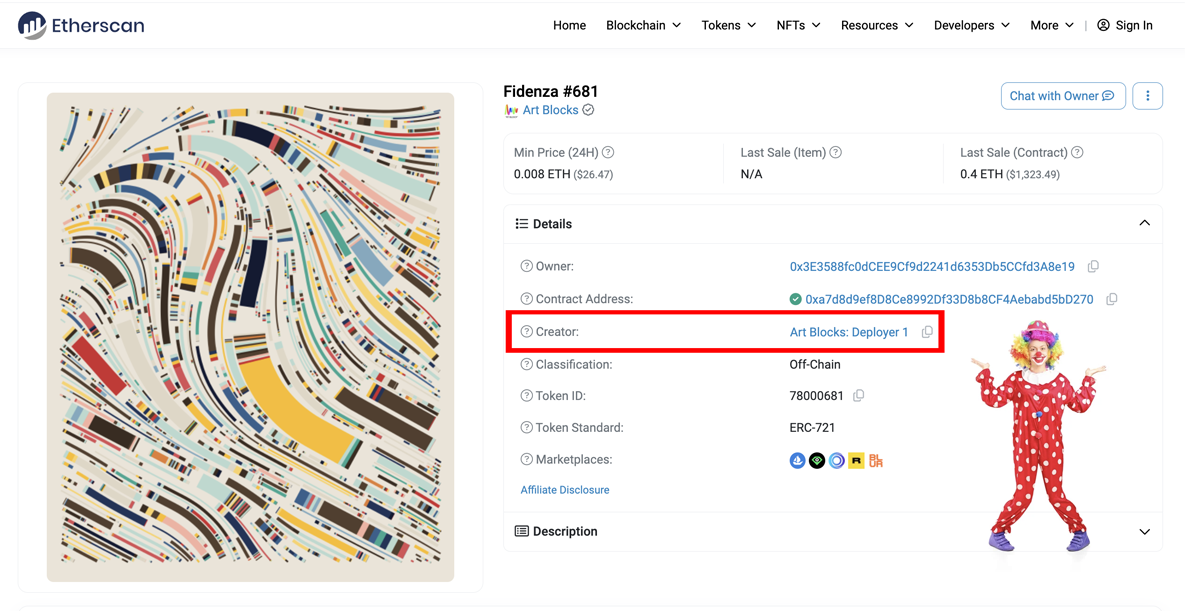
In most cases, blockchain records show the platform as the artwork's creator, not the artist. While some may argue that circumstantial evidence—like websites or articles—proves the artist’s authorship, such proofs are indirect.
When the generative art market matures, art historians and appraisers will demand indisputable provenance directly embedded in the blockchain. Artworks lacking this proof of creation by artists could lose their potential to appreciate in value, no matter how exceptional the artist is. As I see today in the records of Etherscan, most of the artworks were created not by artists, but by platform generators, which is an irreparable mistake!
When the generative art market matures, art historians and appraisers will demand indisputable provenance directly embedded in the blockchain.
Historical parallels exist: works by famous artists have lost significant value due to doubts about provenance. Generative art must learn from these precedents.
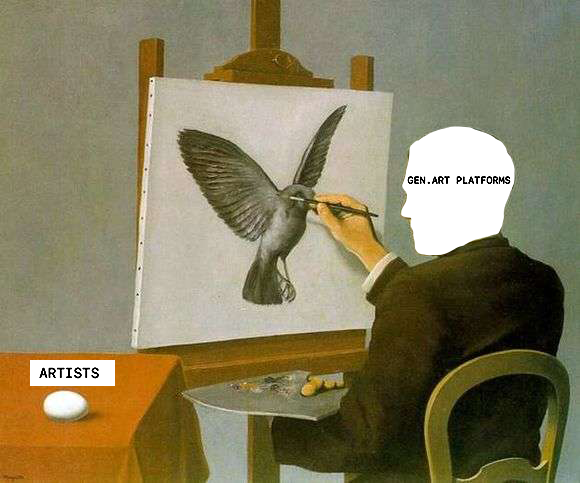
2. Collectors Do Not Own Original Long-Form Generative Art Tokens
Long-form generative art, a term first coined by Tyler Hobbs, refers to artworks produced from a single algorithm capable of generating infinite unique outputs (iterations). However, even Hobbs never sold the original token—the core source of these iterations.
Since 2021, generative art platforms have popularized "drop-based" sales, where collectors acquire iterations produced from the original token. This model generates initial excitement, driving sales for both the platform and the artist. But it leaves collectors without ownership of the core generative artwork.
Why does this matter? In art history, copies or prints rarely achieve the value of originals. While iterations may hold short-term appeal, their value will likely diminish as the art world realizes the core significance of long-form generative art: its ability to generate endless unique iterations. Artificially capping the number of outputs does not make them intrinsically valuable.
In our December auction, we are proud to present original long-form generative art tokens by three visionary artists.
In art history, copies or prints rarely achieve the value of originals.
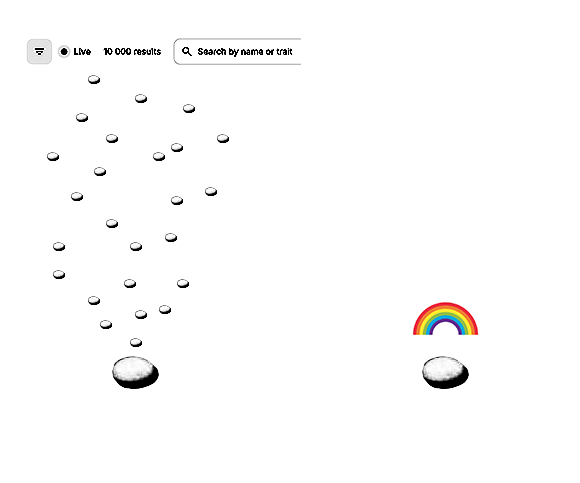
3. Excessive Iterations Devalue Long-Term Artwork Potential
Generative art platforms and artists often release large collections to maximize immediate financial gains. While this approach may seem profitable in the short term, it undermines the future value of the artist's work.
Supply matters. The more iterations released, the less scarcity and uniqueness an artist’s output holds over time. History proves that artists who manage scarcity build stronger long-term value for their works.
Artists must resist pressure to produce large collections for the sake of quick returns and instead consider their legacy and the sustained growth of their market.
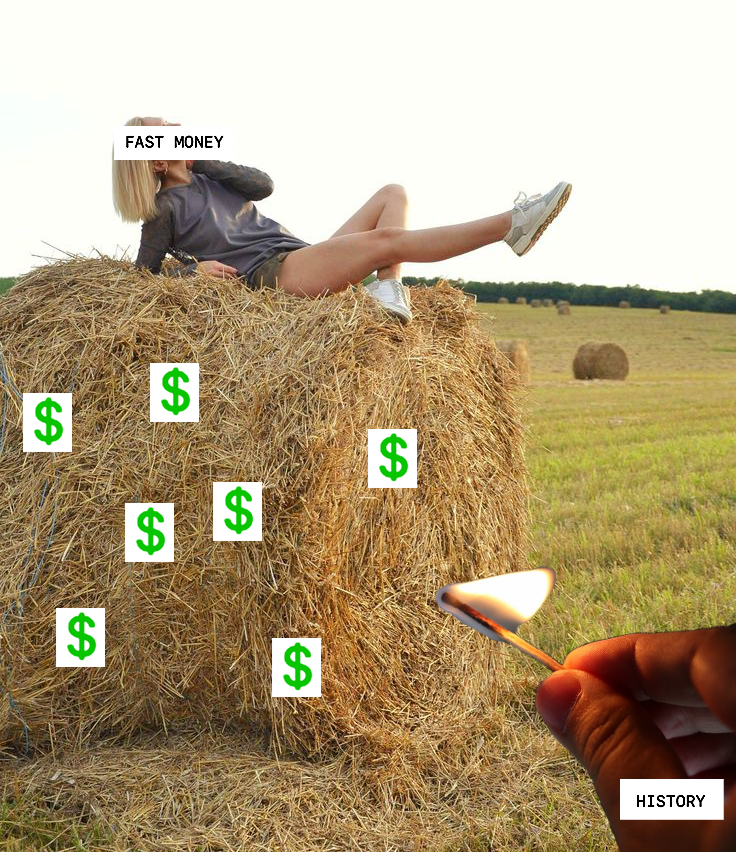
4. JPEGs, GIFs, or MP4s Are Not Generative Art
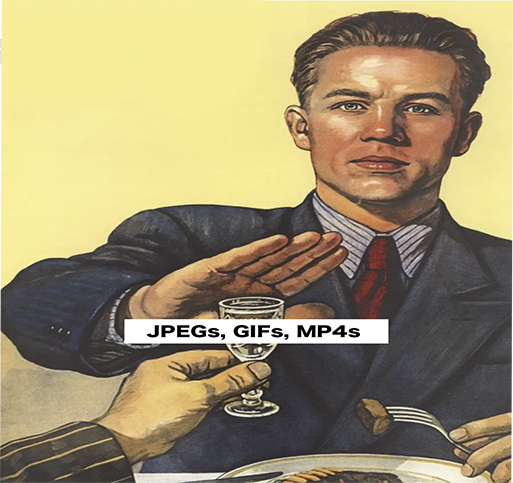
A significant misconception persists: file formats (JPEG, GIF, MP4) copied from a generative artwork represent the art itself. This is misleading.
To illustrate: imagine an artist paints a masterpiece in oil on canvas but then makes a paper print of the painting. Selling the print does not make it “oil on canvas.” Similarly, copying generative art into a fixed file format removes its core generative nature—the ability to regenerate unique outputs.
Collectors must understand that a file format (JPEG, GIF, MP4) representation is not generative art.
True generative art lies in the algorithm itself, which can continuously produce new iterations.
5. On-Chain Storage Adds No Intrinsic Artwork Value
A persistent myth is that on-chain storage inherently enhances an artwork’s value. In reality, where an artwork is stored—whether on-chain or external file storage systems—does not determine its significance or uniqueness.
A responsible collector archives their acquisitions, creating secure duplicates as part of proper preservation practices. On-chain storage simply ensures historical records of events but does not inherently add value to the artwork itself.
Let’s not exaggerate blockchain’s role in the creative essence of art. The blockchain’s true value lies in preserving critical events surrounding the creation, ownership, and provenance of artworks—not in altering the art itself.
The Call for Reflection
These five issues—provenance gaps, misattributed ownership, excessive outputs, file format misconceptions, and misplaced emphasis on on-chain storage—pose significant risks to generative art’s future. If ignored, they will erode trust, stifle investment, and diminish the value of this groundbreaking genre.
This auction aims to reawaken reflection among artists, collectors, and platforms alike. Generative art is not just a trend—it is a transformative art form with immense creative and financial potential. To unlock this future, we must address these foundational misunderstandings now.
This auction aims to reawaken reflection among artists, collectors, and platforms alike.
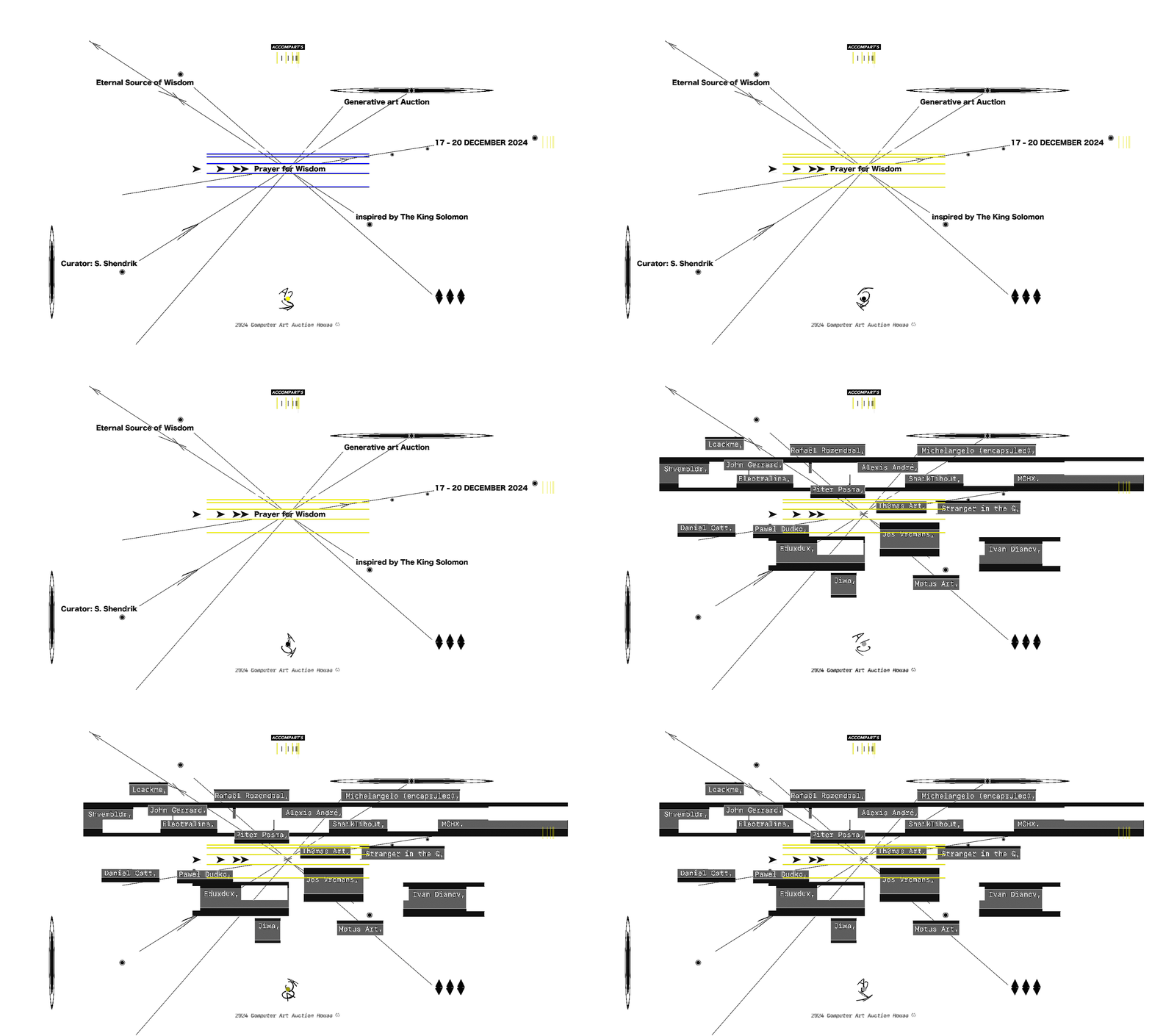
Article by Shendrik (@Shendrik_NFT)
ACCOMPART'S© — Computer Art Auction House ©