

'EIDETIC MEMORY'
Eidetic memory (/aɪˈdɛtɪk/ eye-DET-ik), also known as photographic memory and total recall, is the ability to recall an image from memory with high precision—at least for a brief period of time—after seeing it only once and without using a mnemonic device.
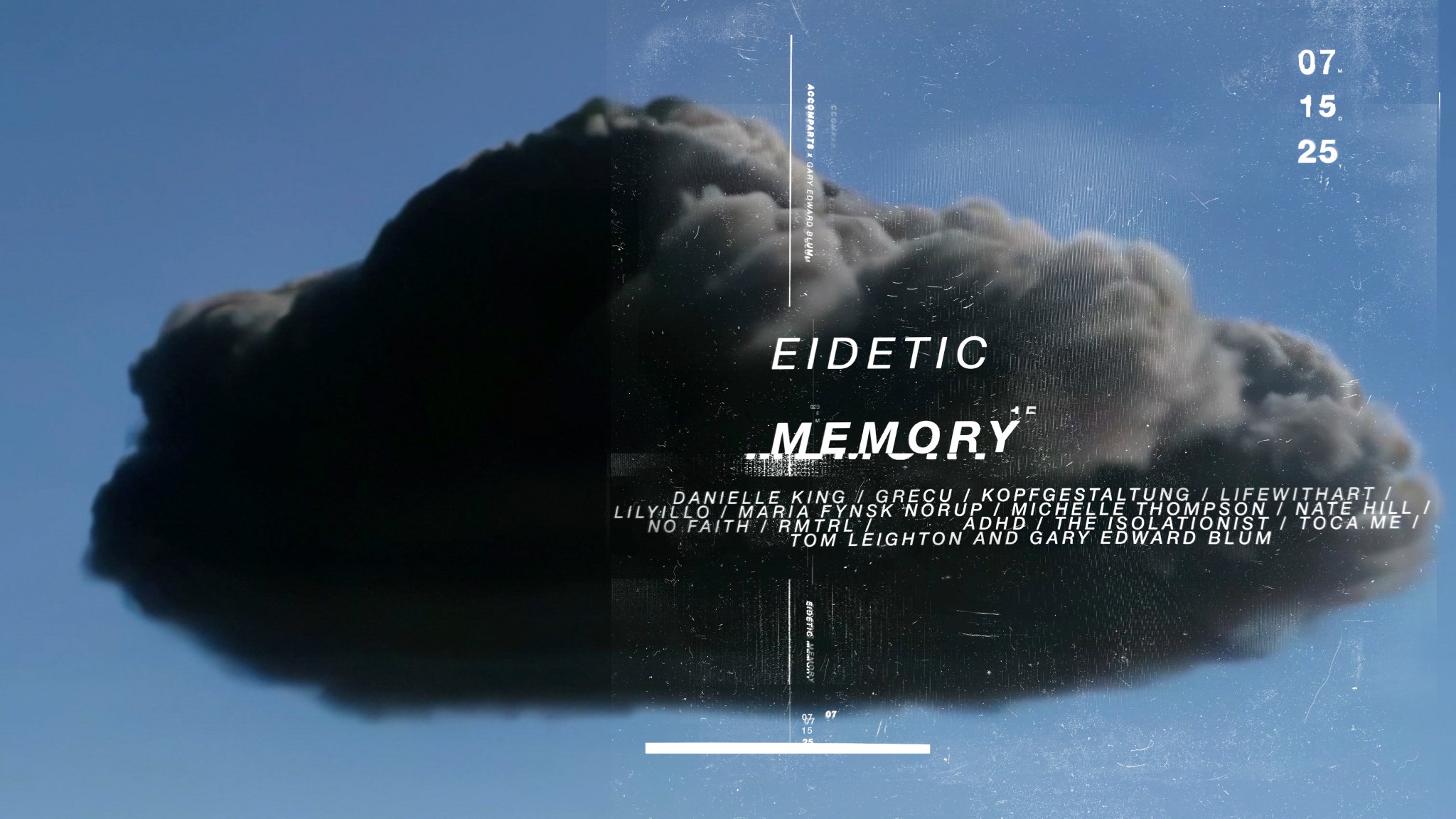
'EIDETIC MEMORY'
Eidetic memory (/aɪˈdɛtɪk/ eye-DET-ik), also known as photographic memory and total recall, is the ability to recall an image from memory with high precision—at least for a brief period of time—after seeing it only once and without using a mnemonic device.
Although the terms eidetic memory and photographic memory are popularly used interchangeably, they are also distinguished, with eidetic memory referring to the ability to see an object for a few minutes after it is no longer present and photographic memory referring to the ability to recall pages of text or numbers, or similar, in great detail. When the concepts are distinguished, eidetic memory is reported to occur in a small number of children and is
generally not found in adults, while true photographic memory has never been demonstrated to exist.
https://en.wikipedia.org/wiki/Eidetic_memory
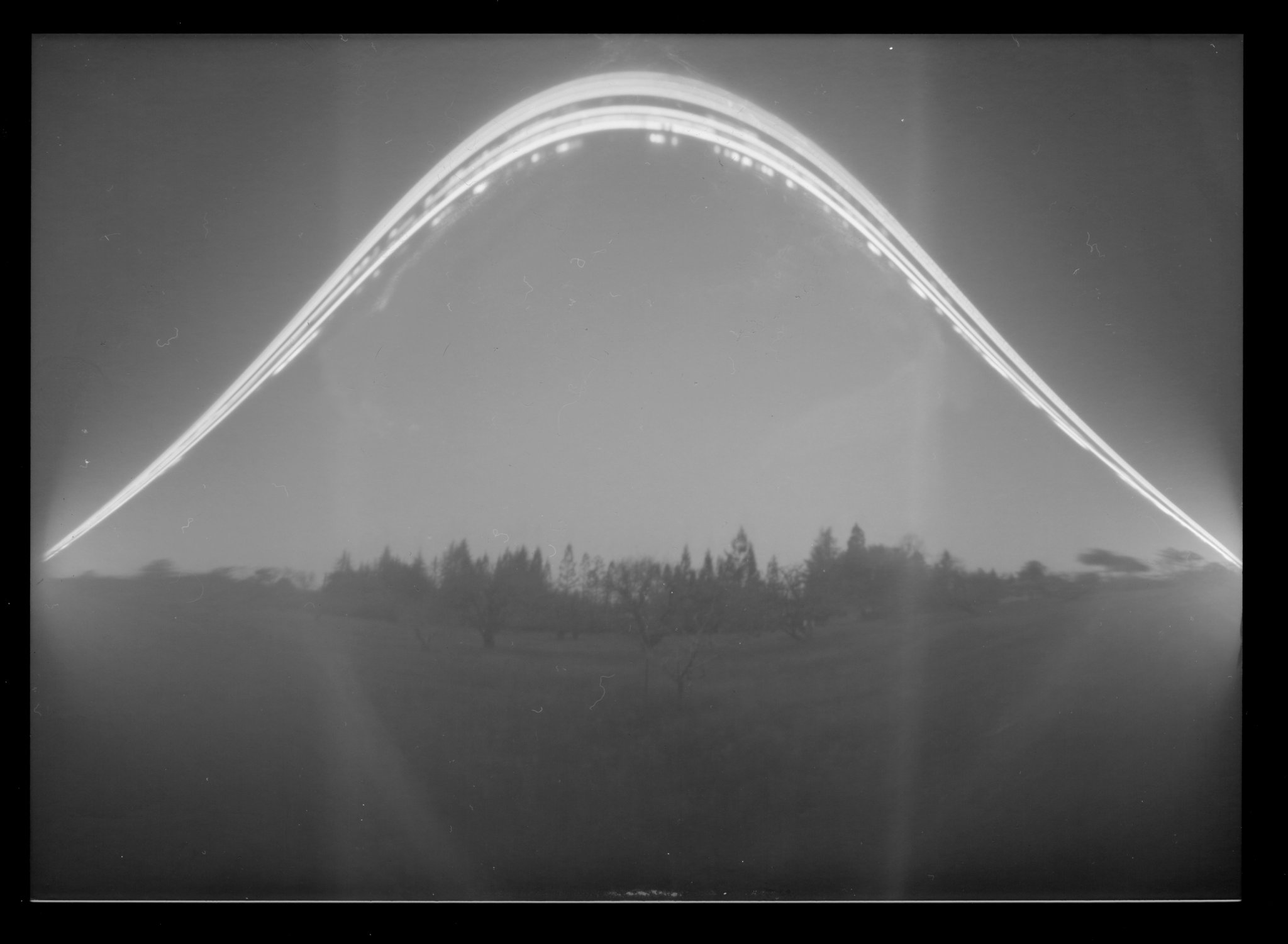
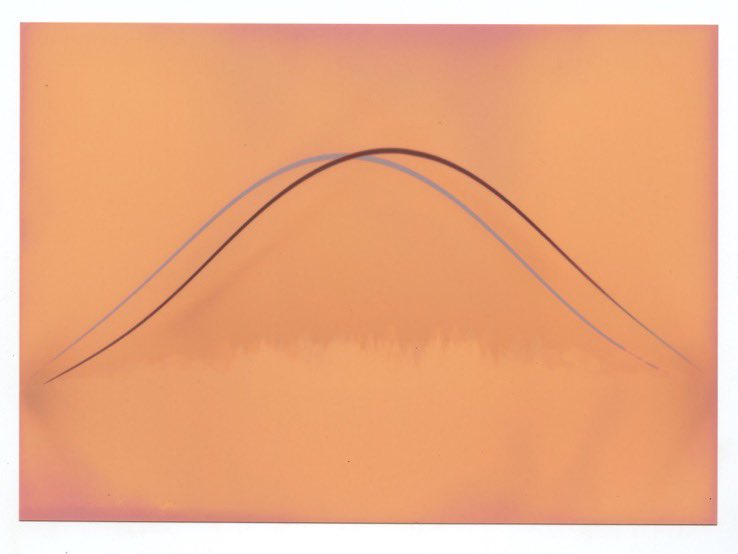
“Memory demands an image.” –Bertrand Russell
(The Analysis of Mind by Bertrand Russell, published in 1921. In the book, Russell discusses the nature of memory and argues that it involves mental images.)
Сoncept:
This observation by Bertrand Russell, remains a compelling entry point when considering the relationship between perception and recollection. Russell argued that memory is not just a retrieval of facts but a process shaped by the images the mind supplies, or constructs, in order to make sense of experience. These images may be precise, imagined, distorted, or entirely fabricated, but they are essential. Without them, memory has no form.
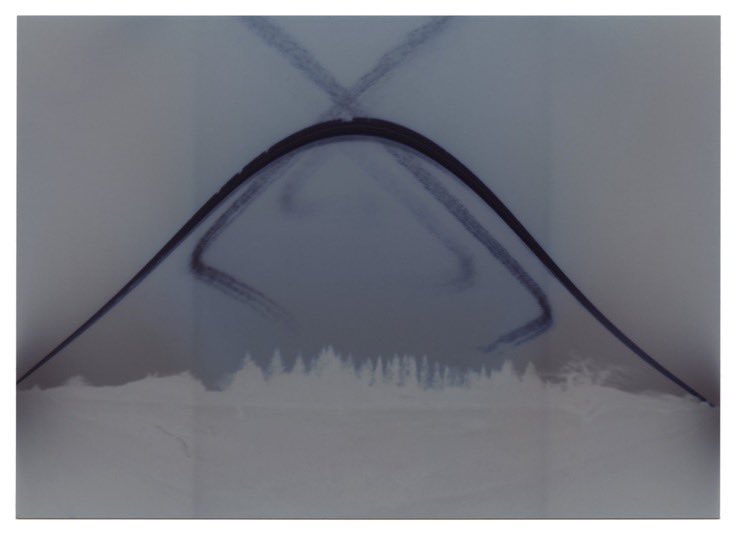
This group exhibition titled, Eidetic Memory, begins with this idea: that memory, even in its most elusive state, insists on becoming visible. The show invites artists to consider the image not as a fixed record, but as a trace shaped by time, emotion, and attention. Memory is rarely static. It flickers. It omits. It overwrites. Yet it also preserves, often with strange specificity, the smallest details: light on a wall, the edge of a shape, the pattern of a gesture.
This exhibition is less about nostalgia or biography and more about the mechanics of remembering. How do we form internal images of what is gone? What do we alter in the act of recall? And what visual forms emerge when we try to hold on to something that is already fading?
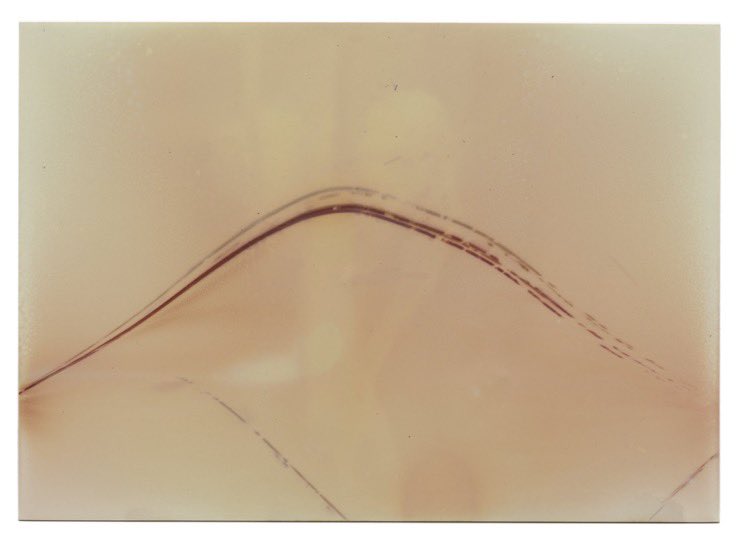
Eidetic Memory offers a framework for artists to explore these questions through their own practices. The show encourages works that reflect on how memory functions visually—how it clarifies, confuses, protects, and even erases. Each piece will contribute to a larger conversation about the ways we try to picture what cannot be fully retrieved.
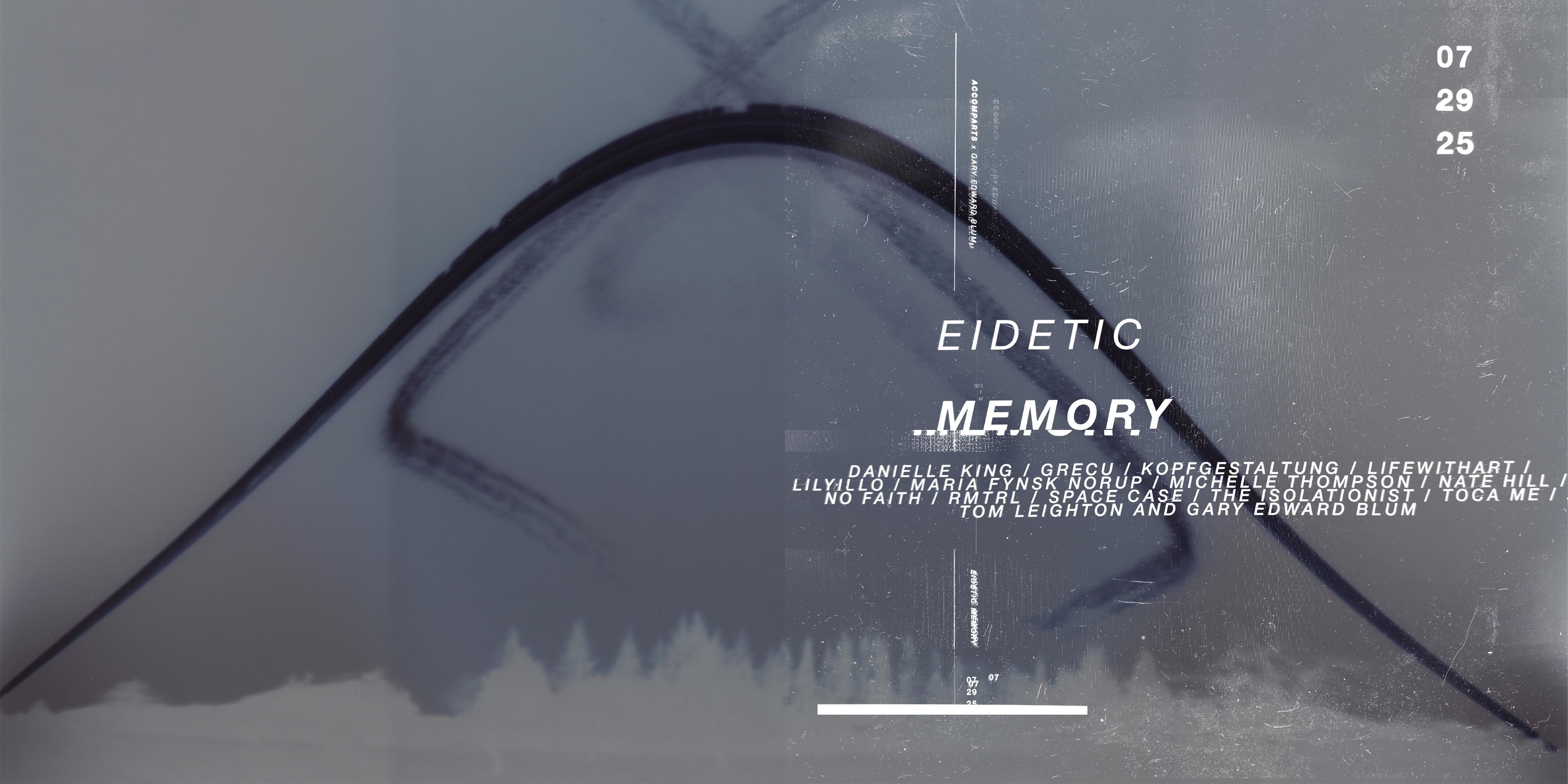
Text and jpg by Gary Edward Blum
© 2025 Computer Art Auction House