

Gary Edward Blum on Memory, Duality, and Curating the Flicker Between Clarity and Uncertainty
In this thoughtful interview, curator and artist Gary Edward Blum shares how memory, impermanence, and visual uncertainty shaped the exhibition ‘EIDETIC MEMORY’. From photographic illusions to NFT permanence, discover the ideas behind his curation.
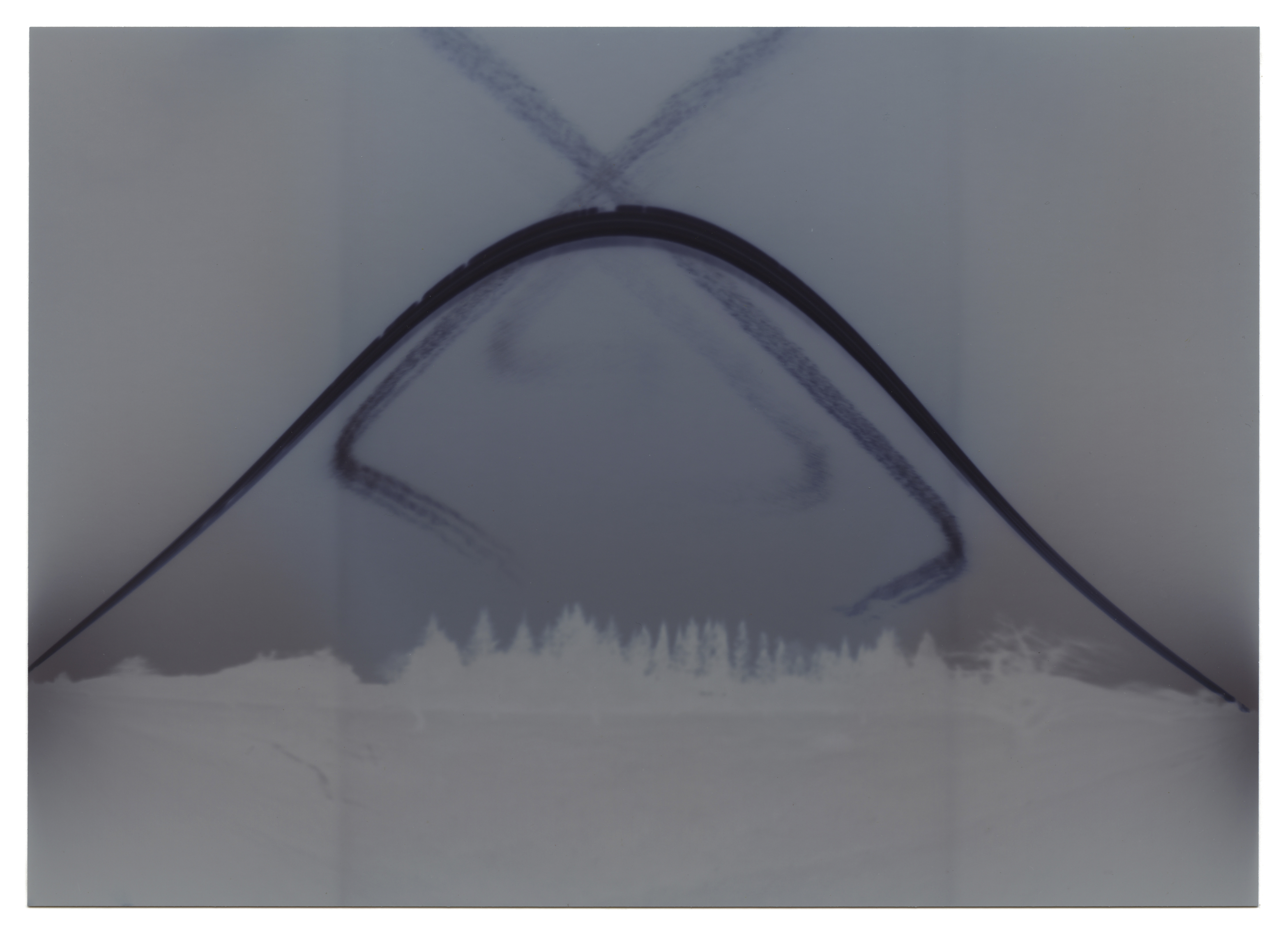
Born in Montara California, a coastal town 30 minutes south of San Francisco, Blum has spent his career exploring duality and dependent opposition through paintings and more recently, photography. The grandson of both Italian and Swiss immigrants, he was surrounded by stories of exploration and independence as a child. In 2000, Blum traveled to India where he was exposed to eastern philosophy and religion. Upon his return, he began to cultivate the ideas of dependent opposition and meditation in his work that are still evident today. Blum earned his M.F.A. from the University of California Berkeley in 2002, a B.A. in Graphic Design from California State University Chico in 1993 and more recently, was an affiliate artist at Headlands Center for the Arts from 2015-2017.
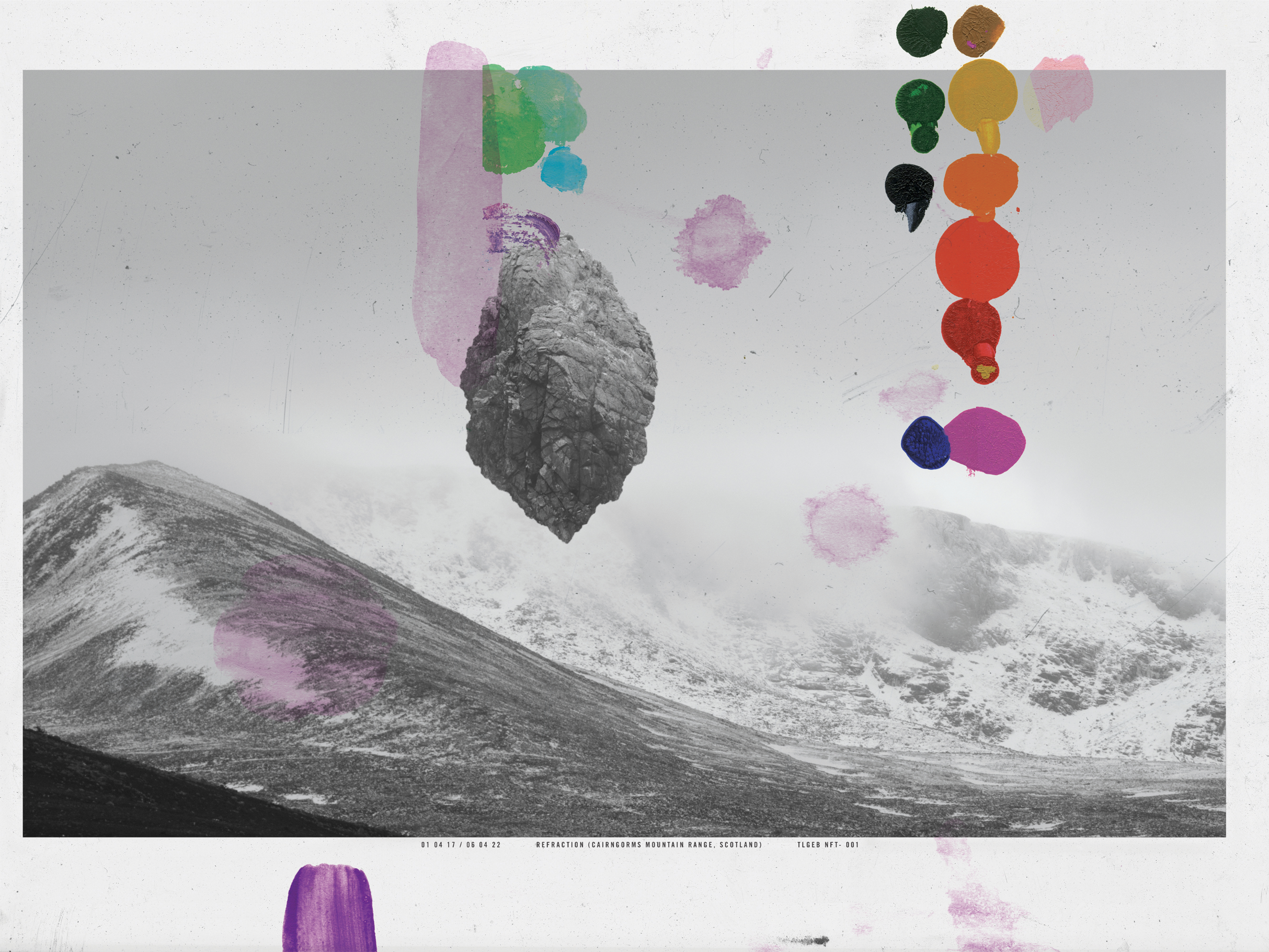
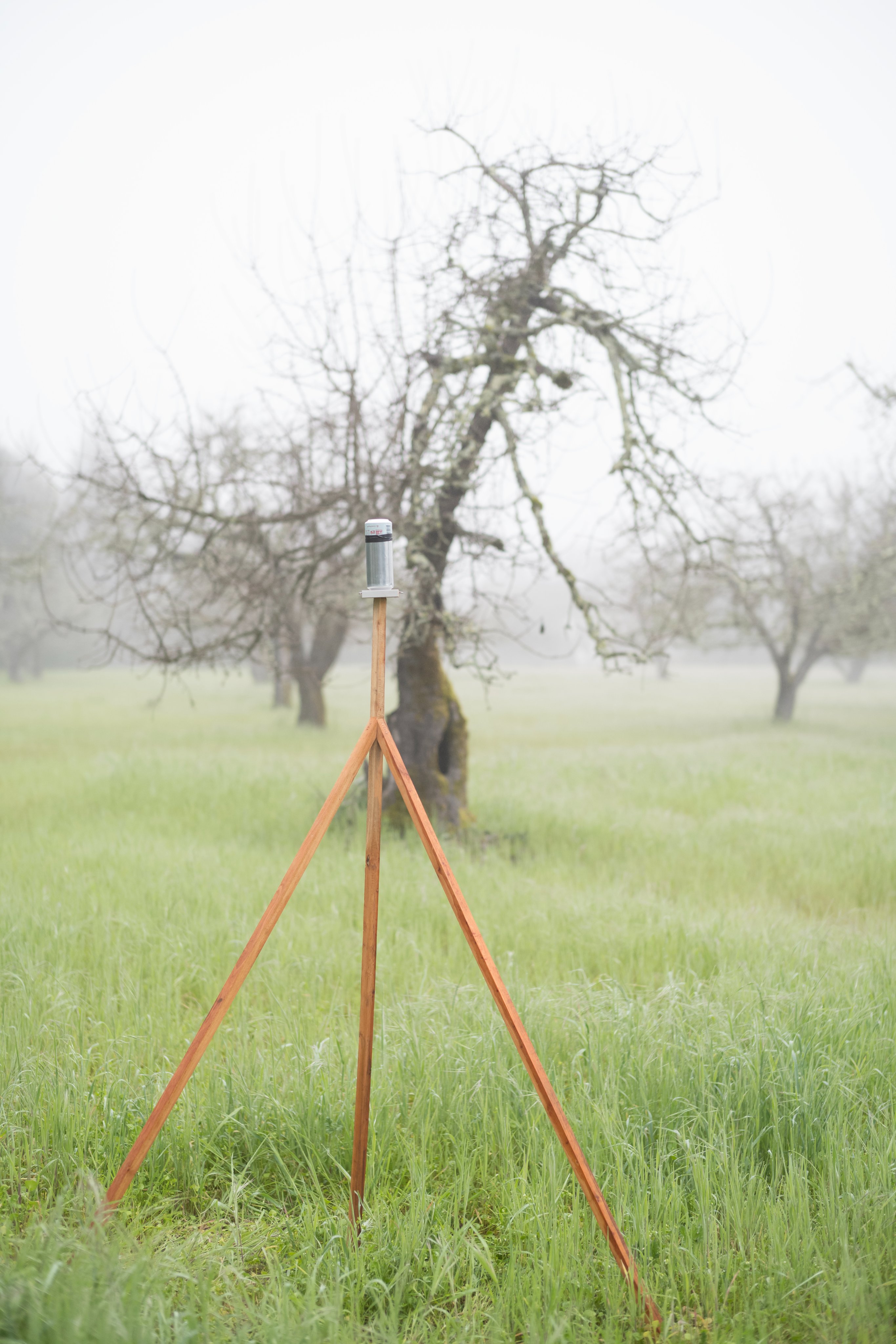
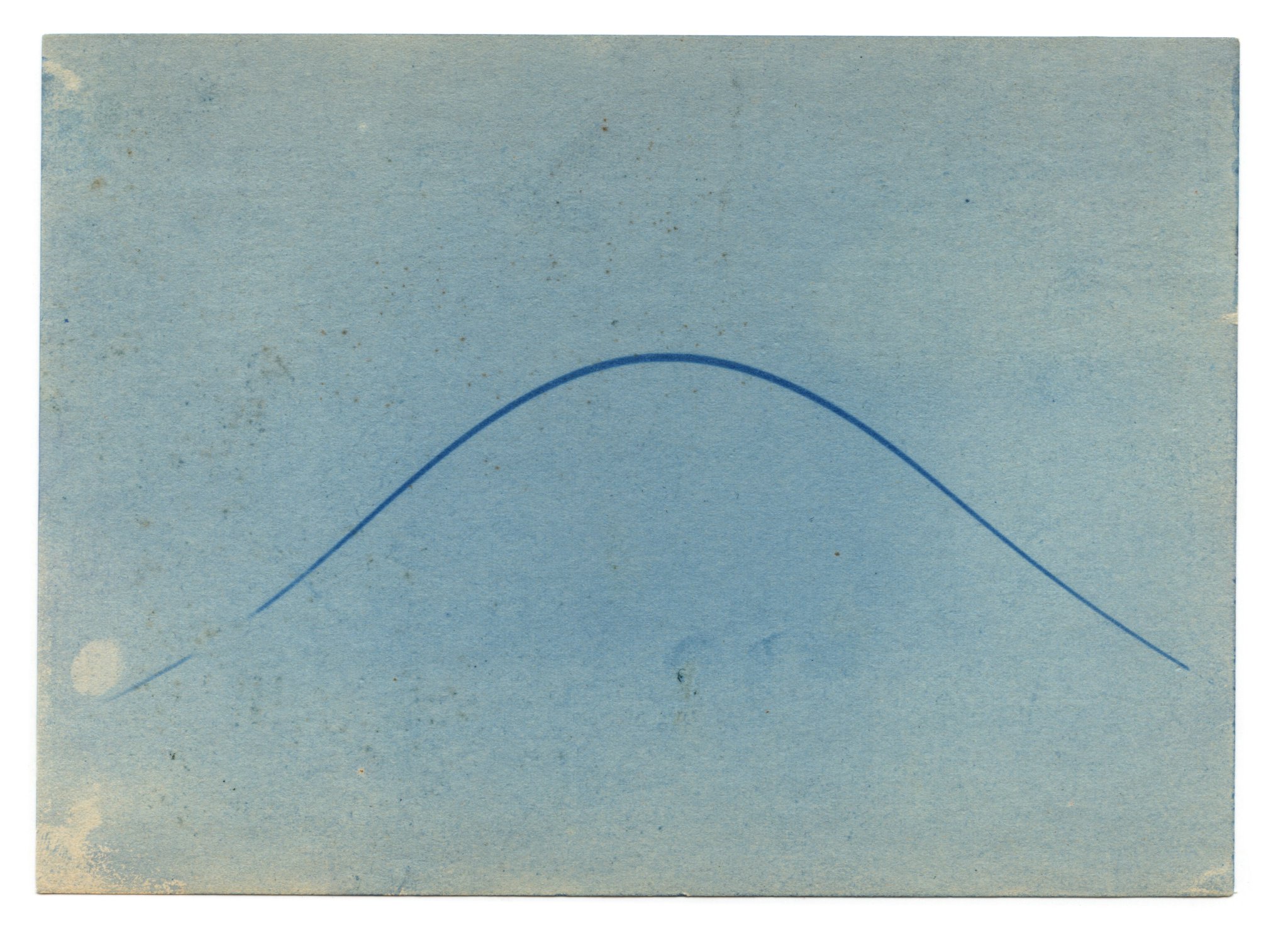
01 04 17 / 06 04 22 REFRACTION (CAIRNGORMS MOUNTAIN RANGE, SCOTLAND) TLGEB NFT- 001
Interview for ACCOMPART'S Digital Art Auction House
A/ The concept of “eidetic memory” is central to this auction—a state of precise visual recall that fades as quickly as it forms. What drew you to this theme, and how does it relate to your own artistic language, which often deals with duality and transience?
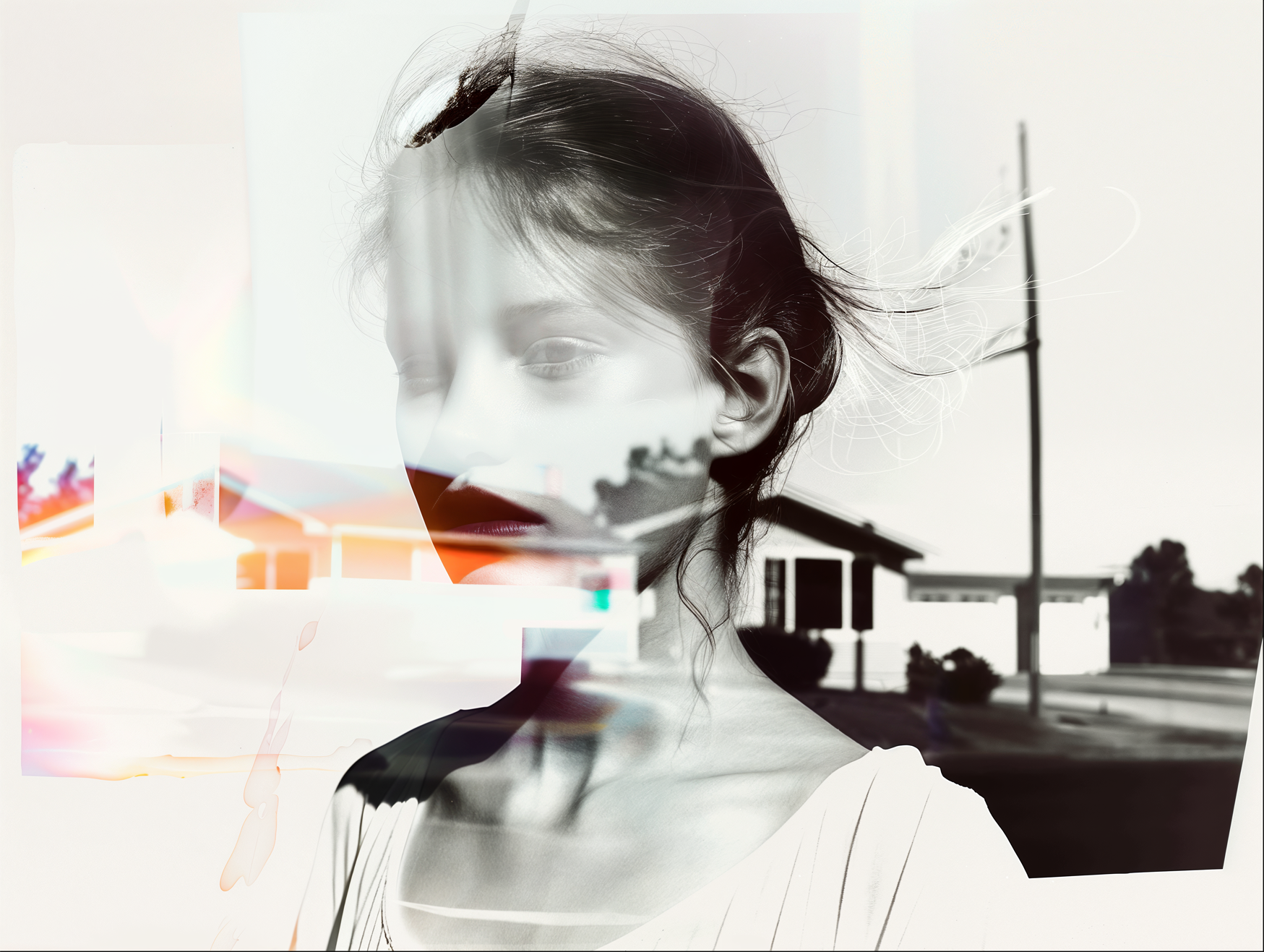
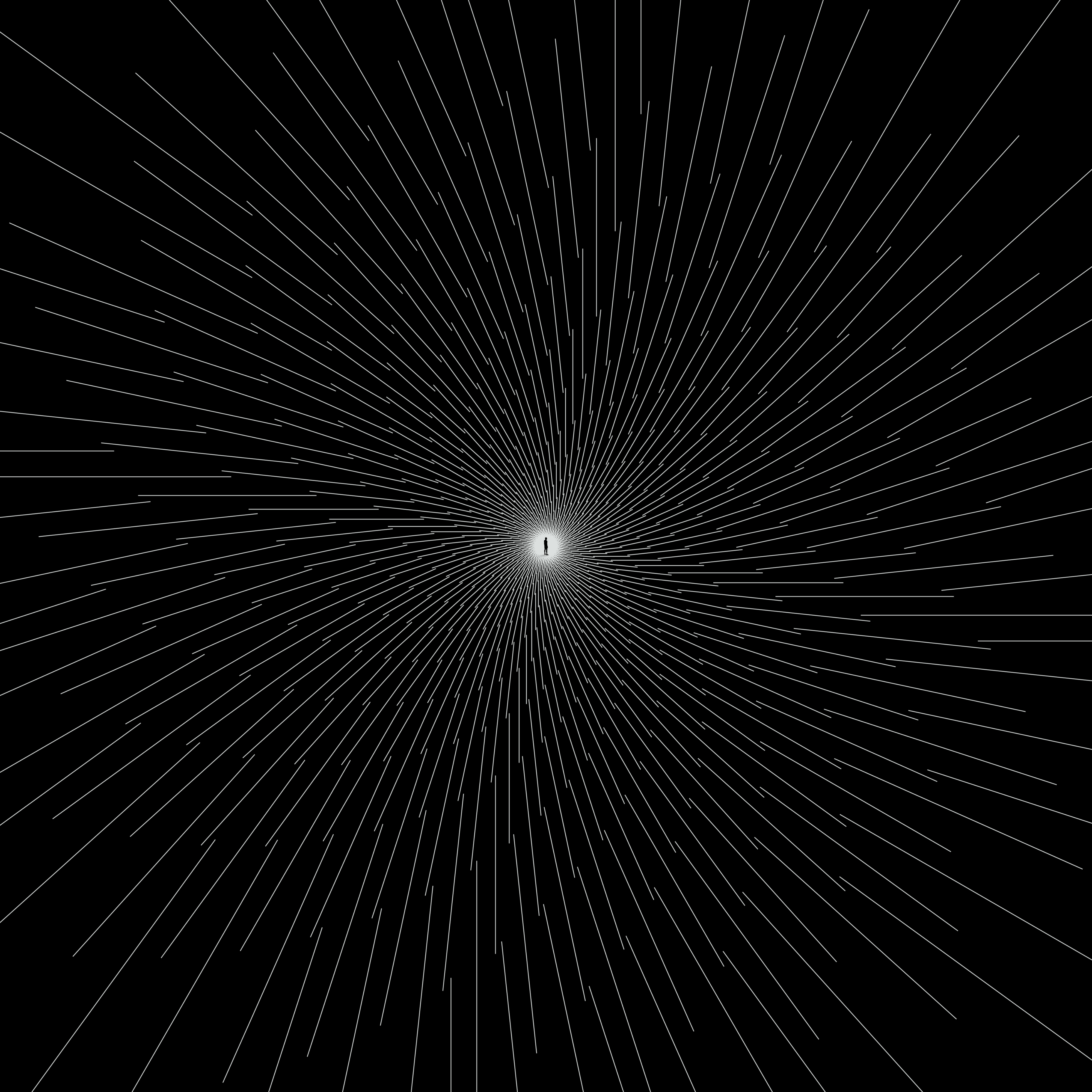
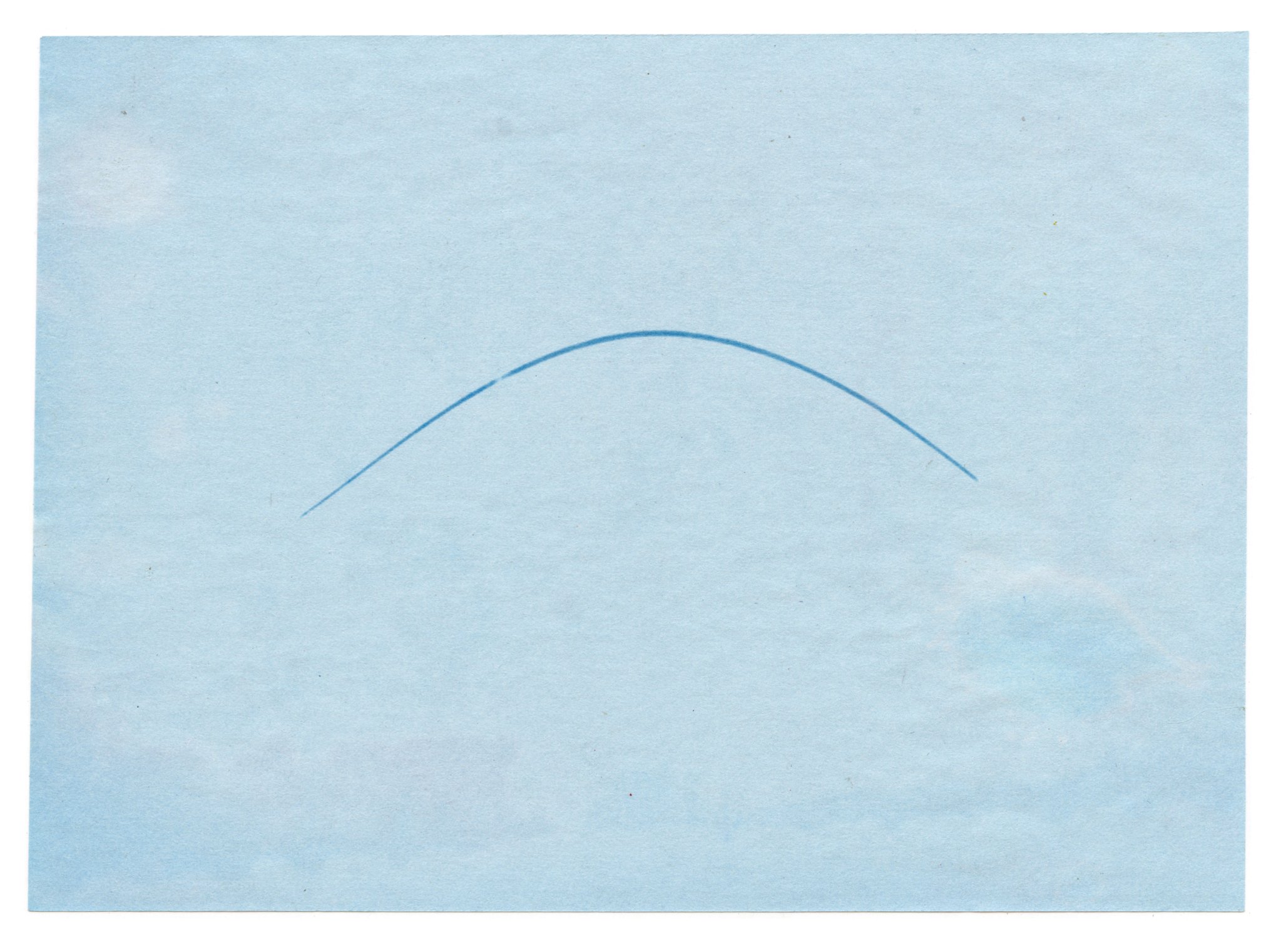
Bertrand Russell’s quote, “Memory demands an image.” was the starting point. My hope was that the exhibition would investigate what happens when that image is clear yet unstable. Danielle King’s composite portrait, for example, appears sharply photographic until layered transparencies cancel its certainty. Nate Hill’s piece delivers perfect linear order, then redirects each ray at a angle, interrupting recall before it settles. These works show, in different ways, how the mind oscillates between recognition and uncertainty, it’s this that defines eidetic perception.
Bertrand Russell’s quote, “Memory demands an image.” was the starting point.
A/ You have a rich background in both traditional painting and photography. How did your experience working with physical materials influence your curatorial choices like ‘EIDETIC MEMORY’?
Not directly. My background in painting and photography made me attentive to craft, but selection depended on how persuasively each artist addressed visual memory. Whether it was No Faith’s hand cut photographic collage, or ADHD’s digital equivalent, medium was secondary to conceptual fit.
A/ The selected artists span abstraction, narrative, architecture, and layered minimalism. Which connection did you see in them? Was there a particular emotional or formal tension you were seeking across these artworks?
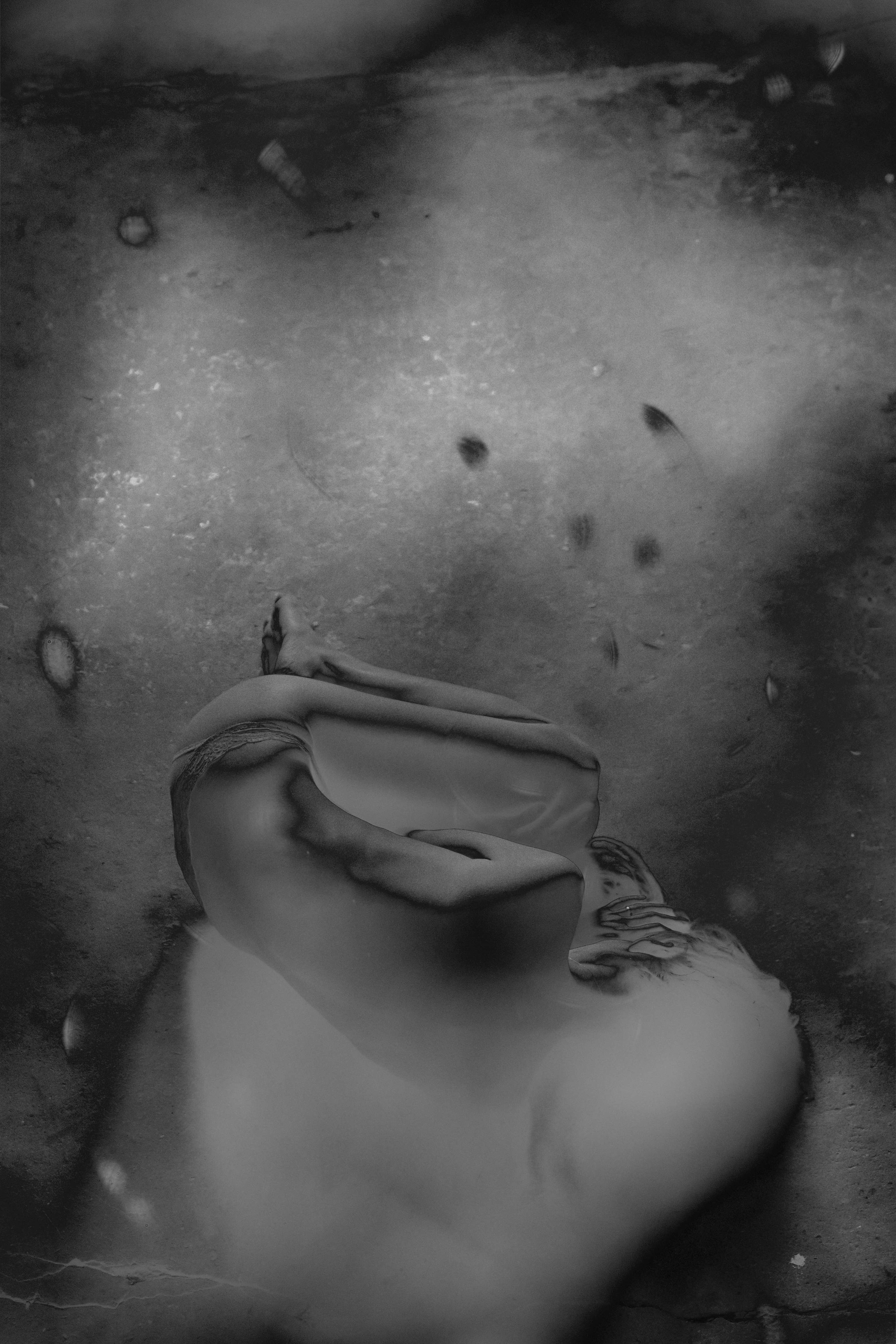
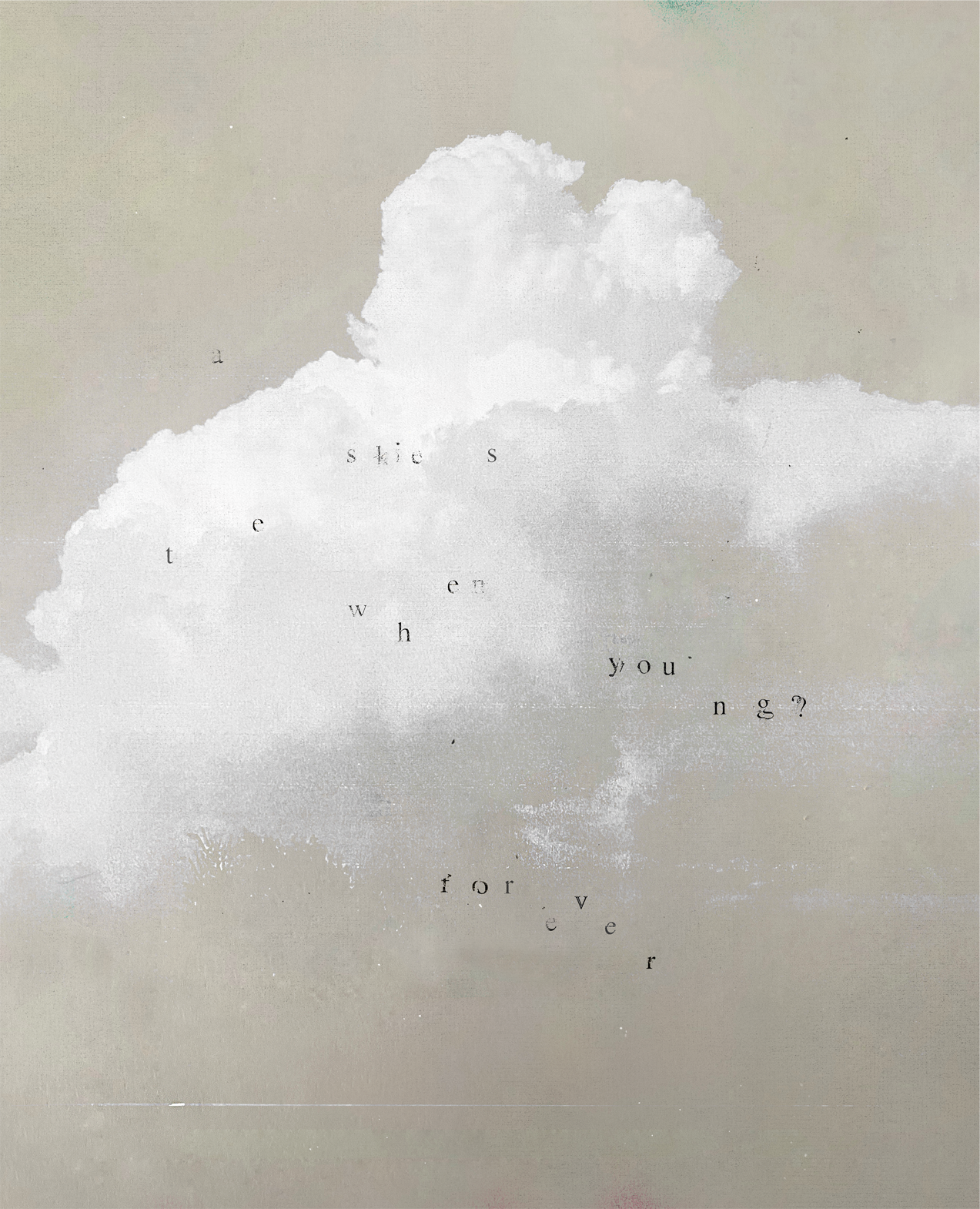
Across abstraction, narrative, and minimalism, the artists pause the viewer at a threshold. Maria Fynsk Norup’s photograph captures a body in sharp focus while chemical halos erode its edges. TOCA ME’s quiet cloud suspends language fragments in limbo, never forming a full sentence. Each piece establishes clarity and then withholds completion, prompting the audience to supply what is missing.
Across abstraction, narrative, and minimalism, the artists pause the viewer at a threshold.
A/ As someone whose work often meditates on dependent opposition, how do you view the tension between permanence and impermanence in the digital realm? Do NFTs offer a new kind of "memory" for the visual arts?
Blockchain immutability fixes authorship and file integrity, while meaning remains flexible.Lilyillo’s piece may read as self‑reflection today and archival fiction tomorrow. Grecu’s video, pinned to a single token, can still be reinterpreted as media culture evolves. NFTs provide a stable foundation, while allowing the artwork’s significance to shift, a parallel to the exhibition’s focus on images that flicker between presence and absence.
A/ You've exhibited work internationally, from the V&A Museum to Web3-native spaces like objkt.com. How do you see the role of the curator evolving in this hybrid environment—especially when memory, context, and code intersect?
The curator now must balance physical installation with digital awareness and competence. The role is to preserve context in both areas so that the artwork sustains its potency, whether encountered under museum lighting or viewed on a computer screen.
The curator now must balance physical installation with digital awareness and competence.
Artist and curator ‘EIDETIC MEMORY’ Digital Art Auction Gary Edward Blum // @GaryEdwardBlum