

Prokofiev on Curating Discomfort and the Transformative Power of Digital Art
In this bold interview, Prokofiev—philosopher, collector, and curator of "DO NOT DISTURB, please".—shares his obsession with unsettling art, his NFT journey, and why beauty isn't the point. A conversation about aesthetic discomfort, permission chains, and the future of collecting digital truth.
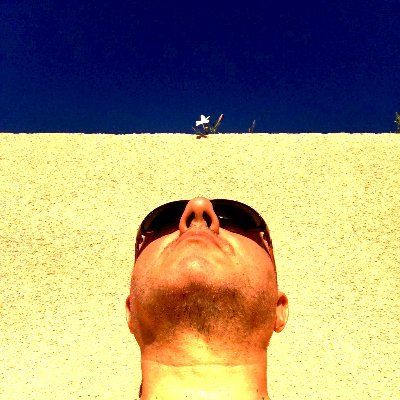
PЯФKФFIЭV
Born Serge Le Strat, PЯФKФFIЭV is a philosophy professor who has devoted his entire career to French higher education. An accomplished author of textbooks and educational materials for high school students, he has held various leadership positions in prestigious educational institutions, currently serving as Director of Studies at ESTP.
Throughout his academic journey, PЯФKФFIЭV has maintained a profound fascination with aesthetics and artistic creation in all its forms. His philosophical reflections on taste and the transgressive nature of art across different eras have deeply influenced his approach as a collector. Rather than seeking conventional beauty, he gravitates toward artists who challenge boundaries and unsettle viewers—those who embody art's capacity to disturb, provoke, and transform.
Since entering the NFT space in 2022, PЯФKФFIЭV has built a coherent collection of nearly 2,000 digital artworks, focusing on pieces that explore the human body's beauty, fragility, vulnerability, and distortions. His curatorial philosophy stems from a belief that true art should function like Kafka's books—"biting and stinging" rather than merely pleasing. This conviction guides both his collecting practice and his recent venture into curation, where he seeks to champion artists whose work embodies the transformative power of aesthetic disruption.
Interview with PЯФKФFIЭV // Curator of “DO NOT DISTURB, please.”
“DO NOT DISTURB, please.” invites us into a space of existential discomfort and aesthetic disruption. What drove you to create an auction that deliberately unsettles?
A/ Kafka once wrote that "we ought to read only the books that wound and stab us"—and I believe this applies to all art worth experiencing. Think about it: we're already drowning in entertainment designed to comfort us. Social media algorithms feed us exactly what we want to see. Television soothes us into complacency. Political spectacle flatters our existing beliefs.
But true art? True art should be a punch to the head, a disruption of our comfortable habits.When I stand before a work that makes me squirm, that challenges my assumptions about beauty or morality—that's when I know I'm in the presence of something authentic. The greatest artists throughout history weren't trying to decorate our living rooms; they were trying to wake us up from our aesthetic slumber.
Kafka once wrote that "we ought to read only the books that wound and stab us"—and I believe this applies to all art worth experiencing.
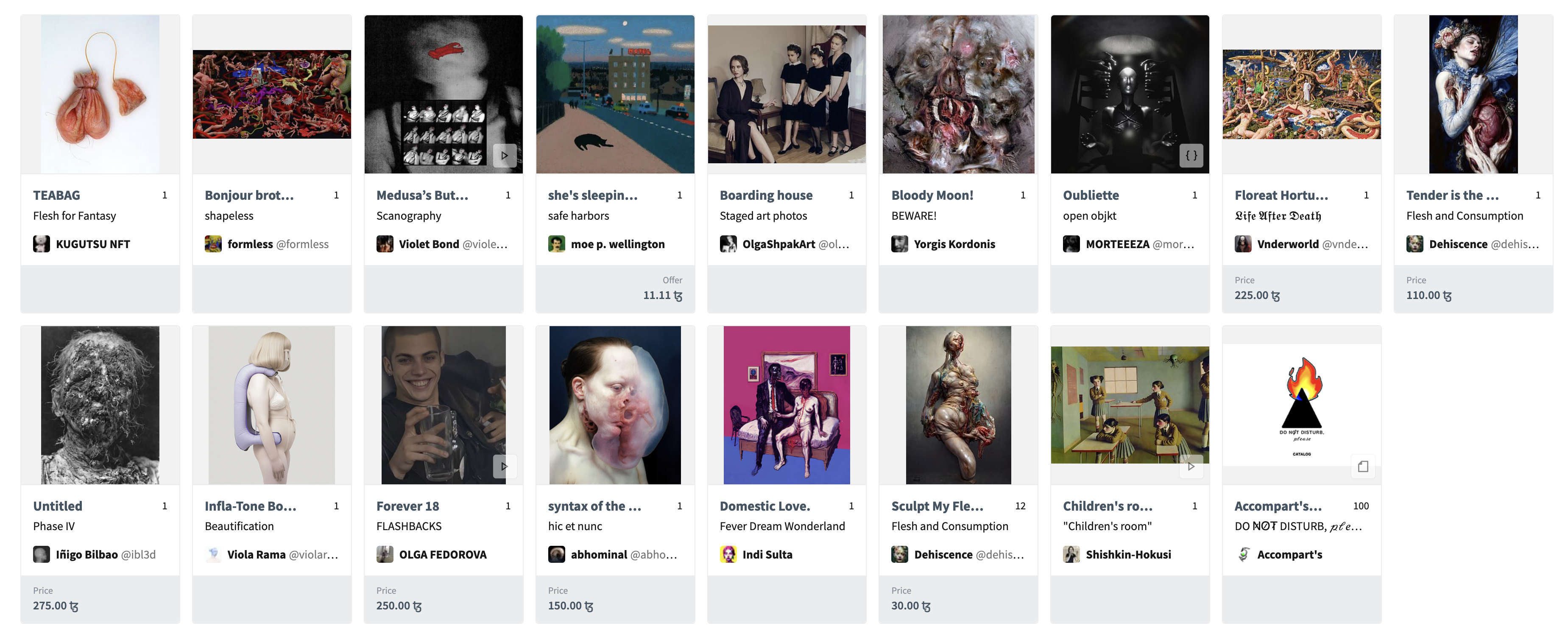
When did you begin collecting art, and what initially drew you to it? Was there a particular work, artist, or moment that changed your relationship with art from viewer to collector?
A/ I started collecting NFT art in spring 2022, after discovering that the Venice Biennale—an event I never miss—was showing its first NFTs. At the Decentral Art Pavilion, I was struck by Karen Jerzyk’s haunting photographs and Sasha Katz’s poetic digital visions. I bought my first NFT on Foundation soon after: a video by umut_alberto showing a naked couple on a chair. What excited me most was the directness: I could discover and collect incredible works from my sofa, and even connect with the artists themselves, without any intermediaries. It felt like a new world opening up.
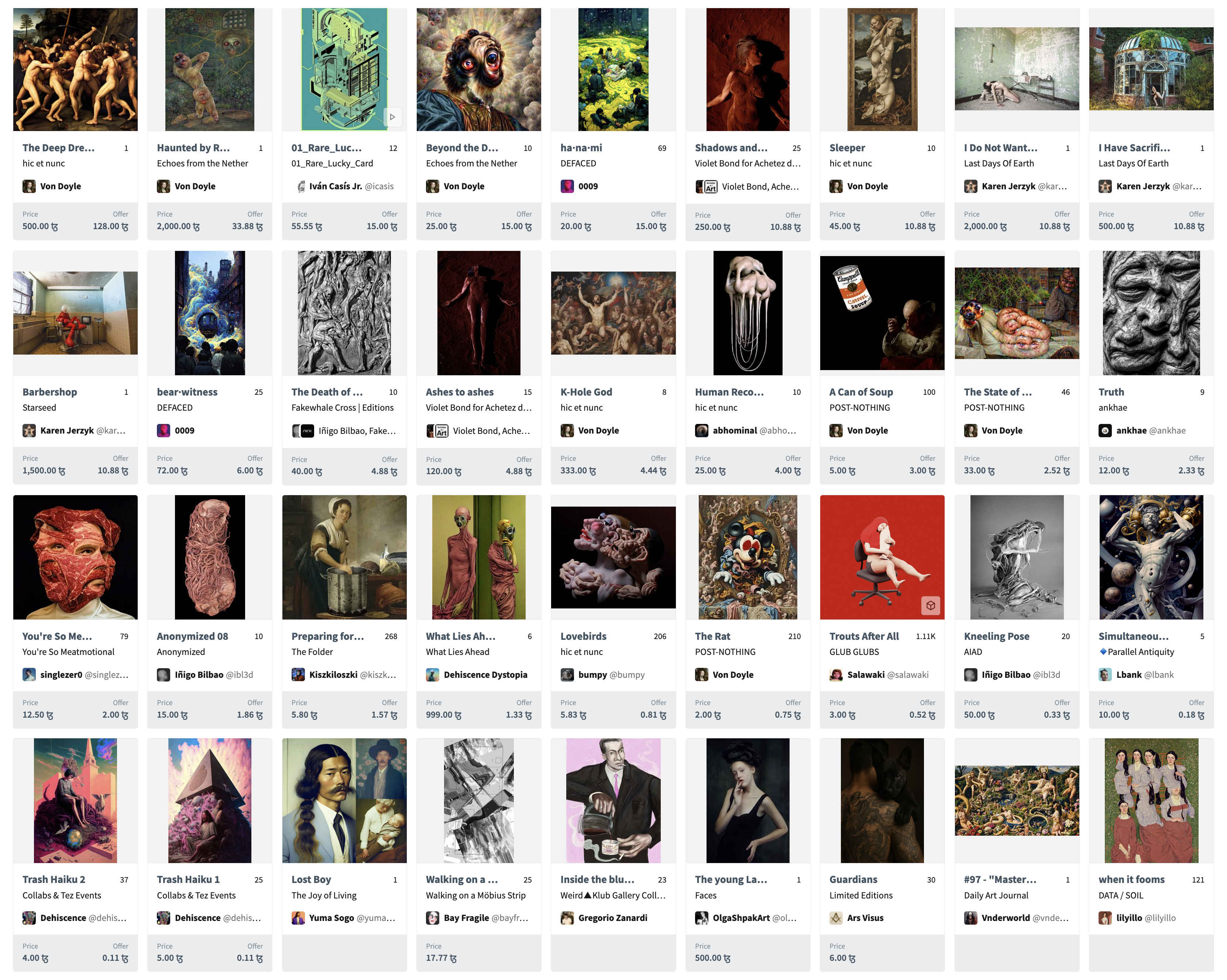
You are a passionate collector. How does your experience as a collector shape your curatorial vision? What do you look for when building your own collection—and did those same instincts guide your artist selection here?
A/ I’m not a professional; I have a full-time job in education and little time for my passion, so I follow my instincts, what the French call "coup de cœur"—love at first sight.
I’m drawn to artists who explore the body—its beauty, its distortions, its vulnerability. My curatorial “vision” is something I only really see in retrospect, when I look back at what I’ve collected and try to understand my own taste. This auction came about the same way: I asked myself, “What kind of concept would excite me as a collector?” If I’m promised I’ll be shaken, disturbed, made uncomfortable by what I see, I’m in! That’s what all the artists in this show have in common: each, in her/his own way, challenges our ideas of beauty, taste, and aesthetic pleasure. Take Viola Rama's self-portraits. They're not flattering in any conventional sense, but that's precisely their power. They radiate an unflinching honesty that makes traditional beauty seem shallow by comparison.
If I’m promised I’ll be shaken, disturbed, made uncomfortable by what I see, I’m in!
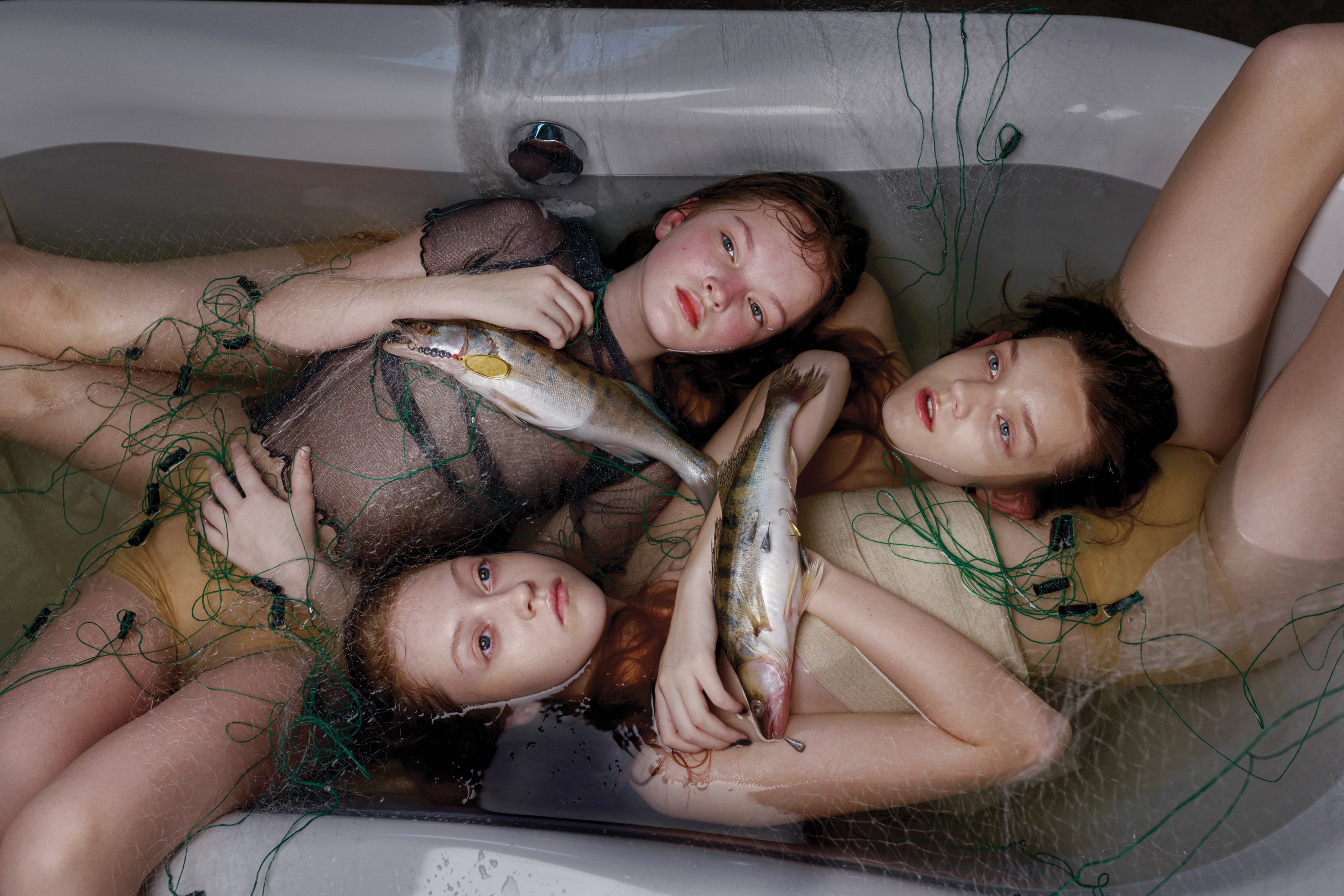
The featured artists in this auction come from diverse backgrounds—emerging and established, surrealist and brutalist, poetic and grotesque. What unites them under the banner of this show? What was your internal logic for bringing them together?
A/ These are artists I've been loyal to for years, each one capable of disrupting our preconceptions about beauty and taste. Some make work that’s mostly shocking or disturbing, but not all.
Consider Olga Shpak's photography: there's genuine tenderness there, a palpable love for her subjects. Yet each image tells a story that flirts with ambiguity, with the forbidden, with fantasy. It's this complexity that fascinates me—art that can be simultaneously tender and transgressive, beautiful and unsettling.
It's this complexity that fascinates me—art that can be simultaneously tender and transgressive, beautiful and unsettling.
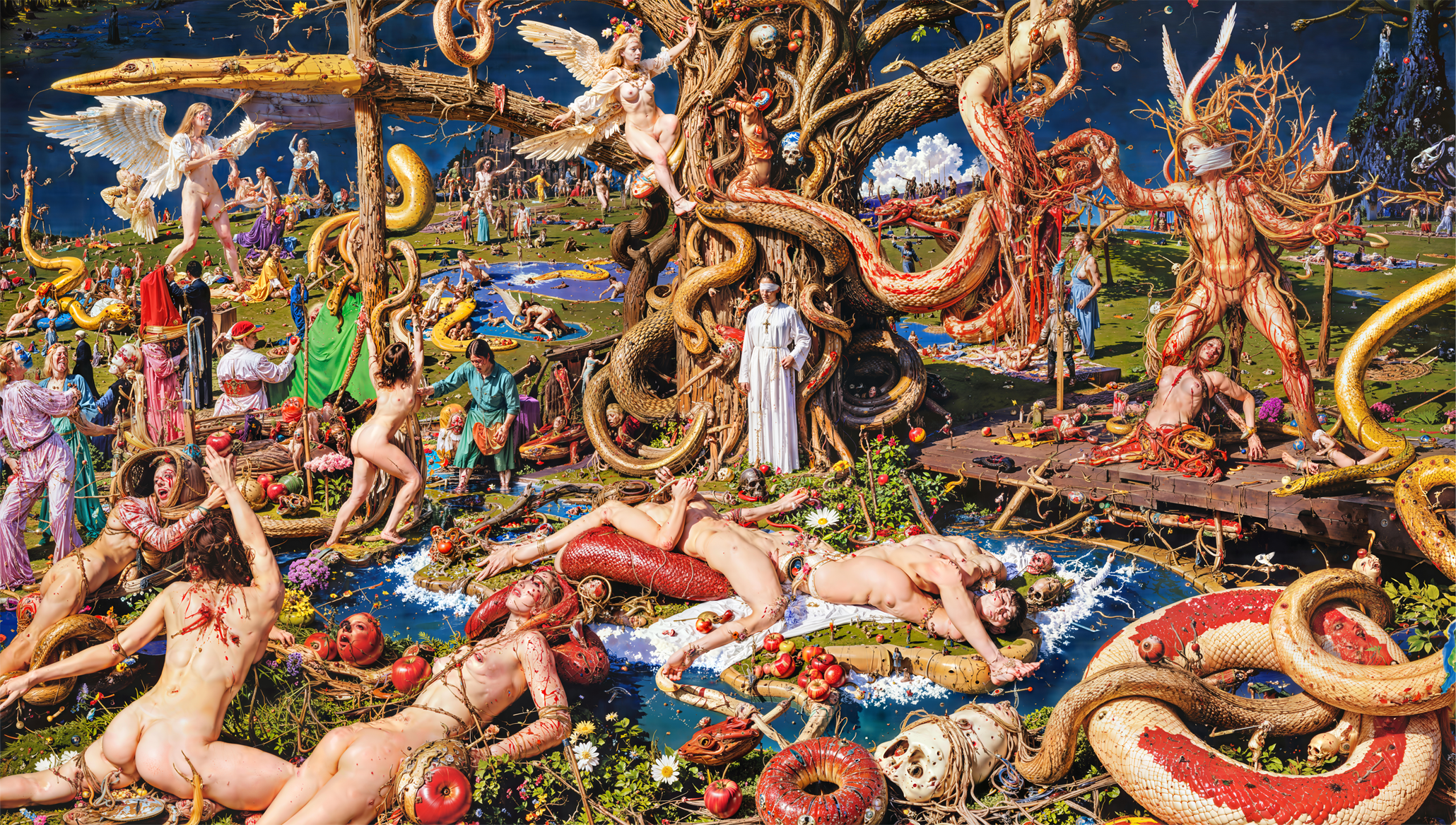 Floreat Hortus Domini
Finally: if DO NOT DISTURB is a door being kicked open—what’s on the other side? What kind of future for digital art are you hoping to provoke, not just curate?
A/ Behind that door lies freedom—pure, uncompromising artistic freedom.
Digital works, whether AI-assisted or not, weren't meant to hang on walls or coordinate with our interior design. Their essentially private, personal, exclusive consumption opens infinite horizons for artistic expression. When an artist knows their work will be experienced intimately, in solitude, they can take risks that would be impossible in a public gallery.
Think about Goya's "Black Paintings" or Egon Schiele's most provocative works. These weren't created to please crowds—they were born from the artist's urgent need to express uncomfortable truths. Yet today, millions queue up to see them in museums.
Digital art has that same potential for radical honesty, amplified by its intimate viewing conditions. When you own a piece that challenges you, that disturbs your assumptions, you engage with it on a profoundly personal level. That's where transformation happens—not in the public spectacle of an opening night, but in the quiet moments when art confronts you with yourself.
Behind that door lies freedom—pure, uncompromising artistic freedom.
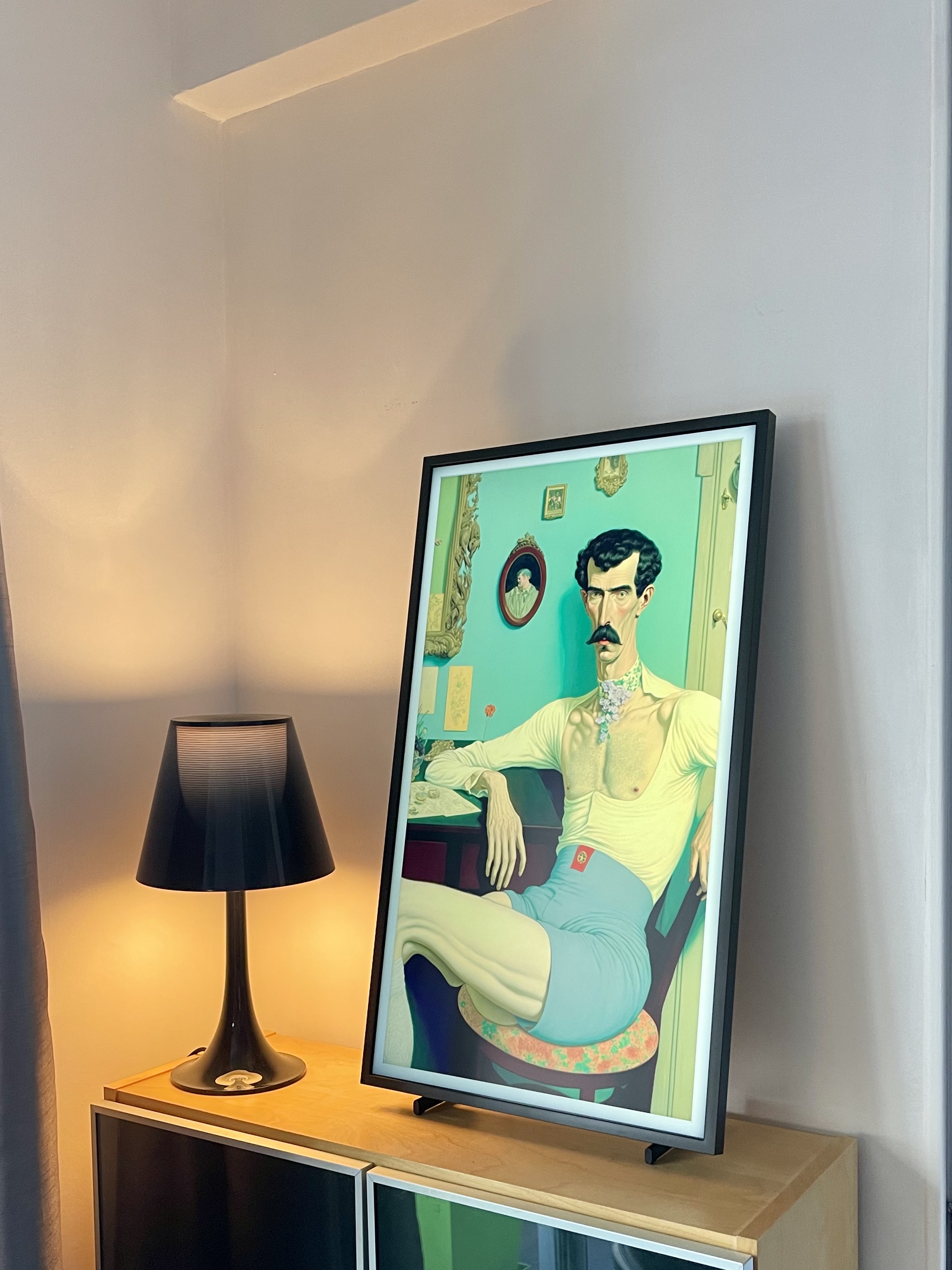
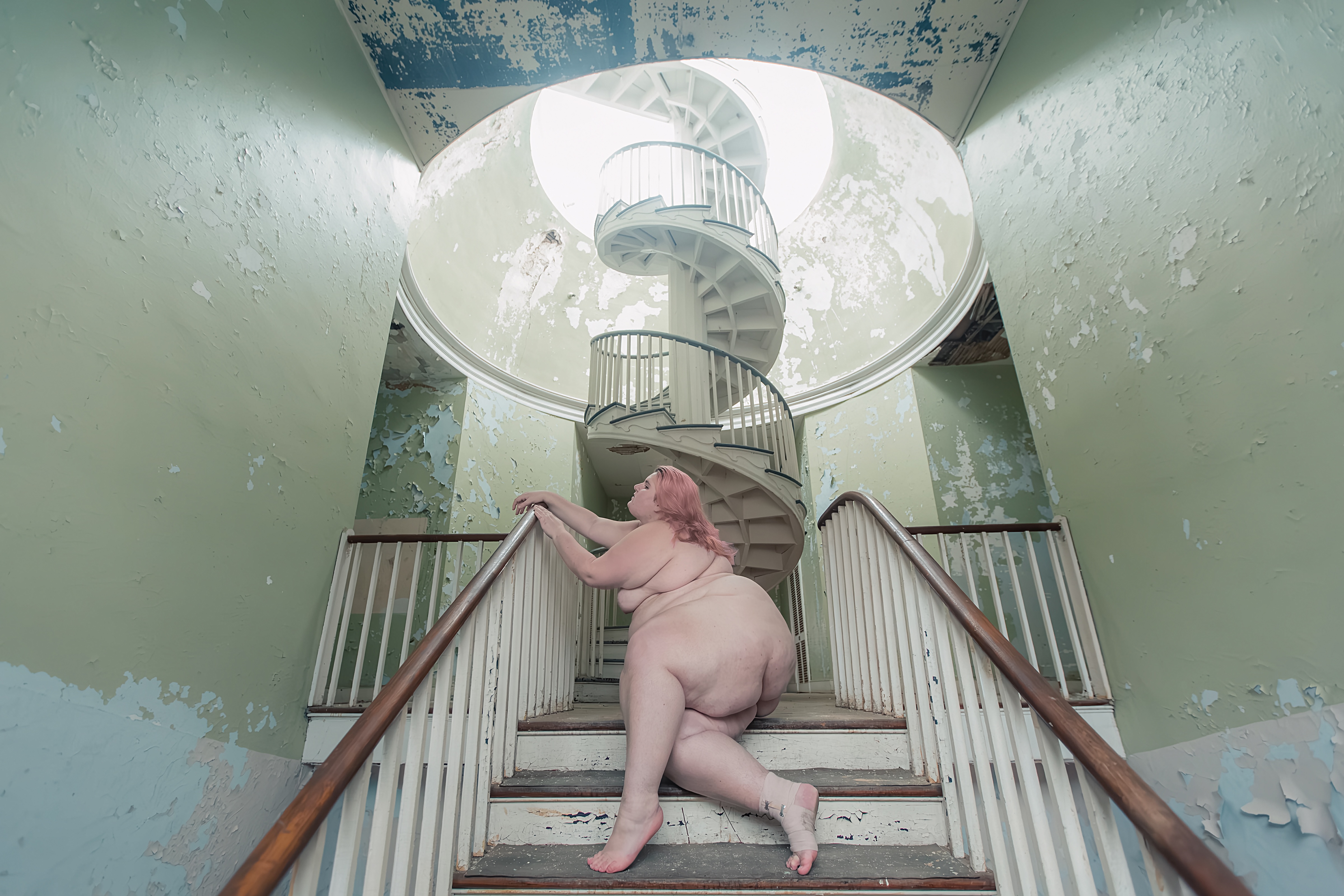
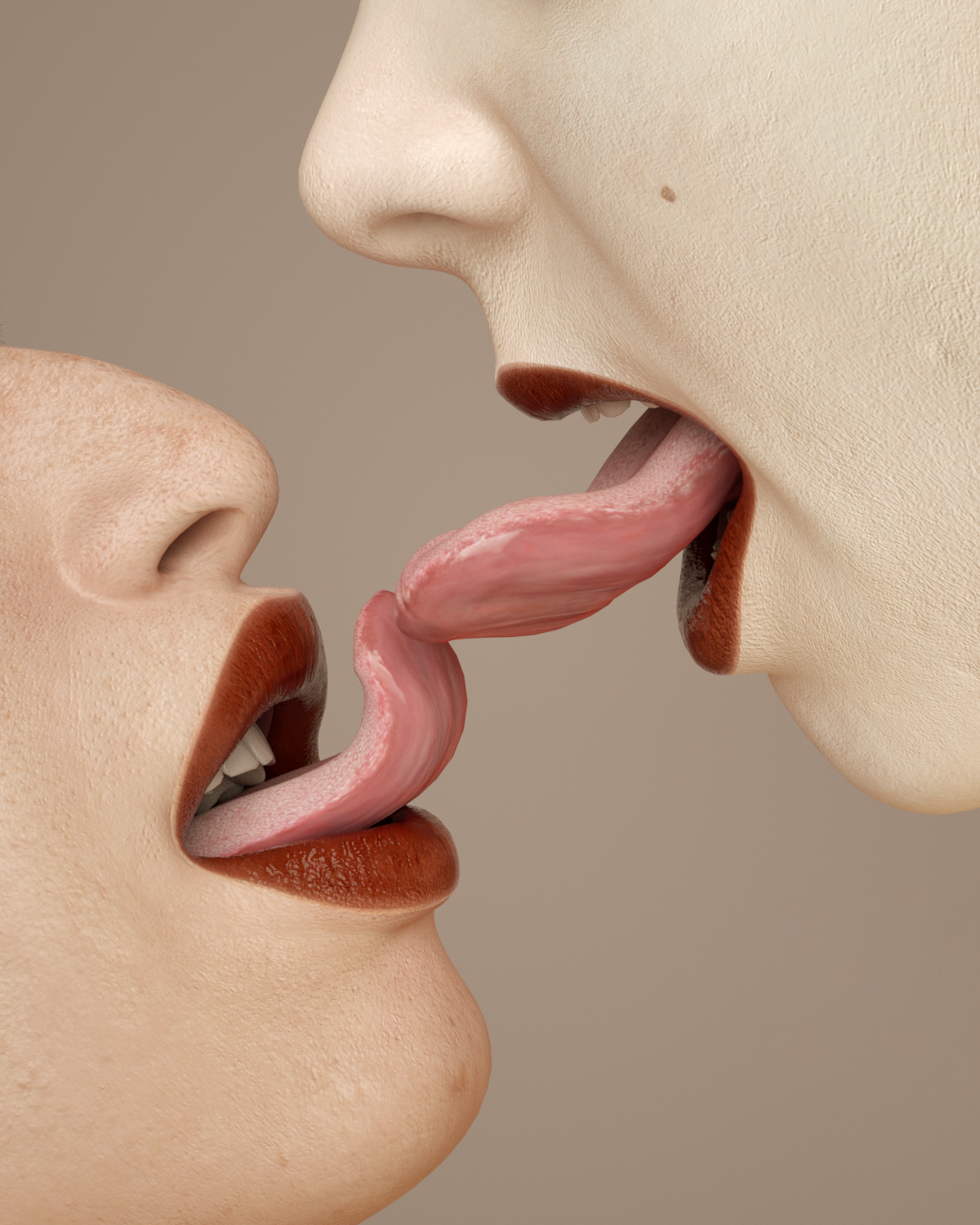
Artist and curator DO NOT DISTURB, please. Digital Art Auction - PЯФKФFIЭV // @Prokofiev