

R.J. on Digital Identity, Web3 & Curating ‘Minoritarians’ | ACCOMPARTS Interview
Digital artist R.J. explores how the internet shapes identity, space, and representation. In this interview for ACCOMPARTS, R.J. discusses curating ‘Minoritarians,’ digital mediation, and the power of Web3 in preserving (or erasing) art. Read more!
R.J
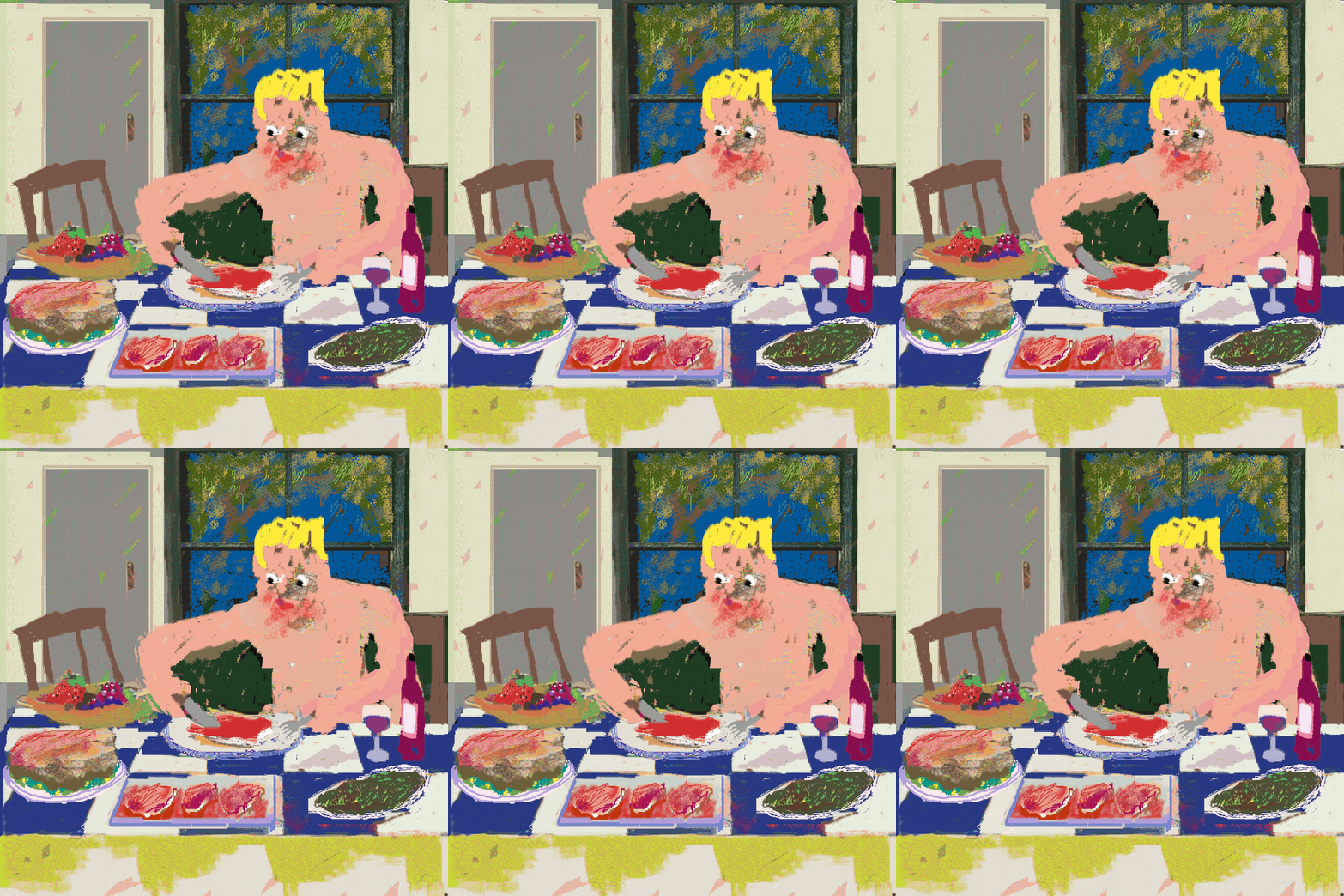
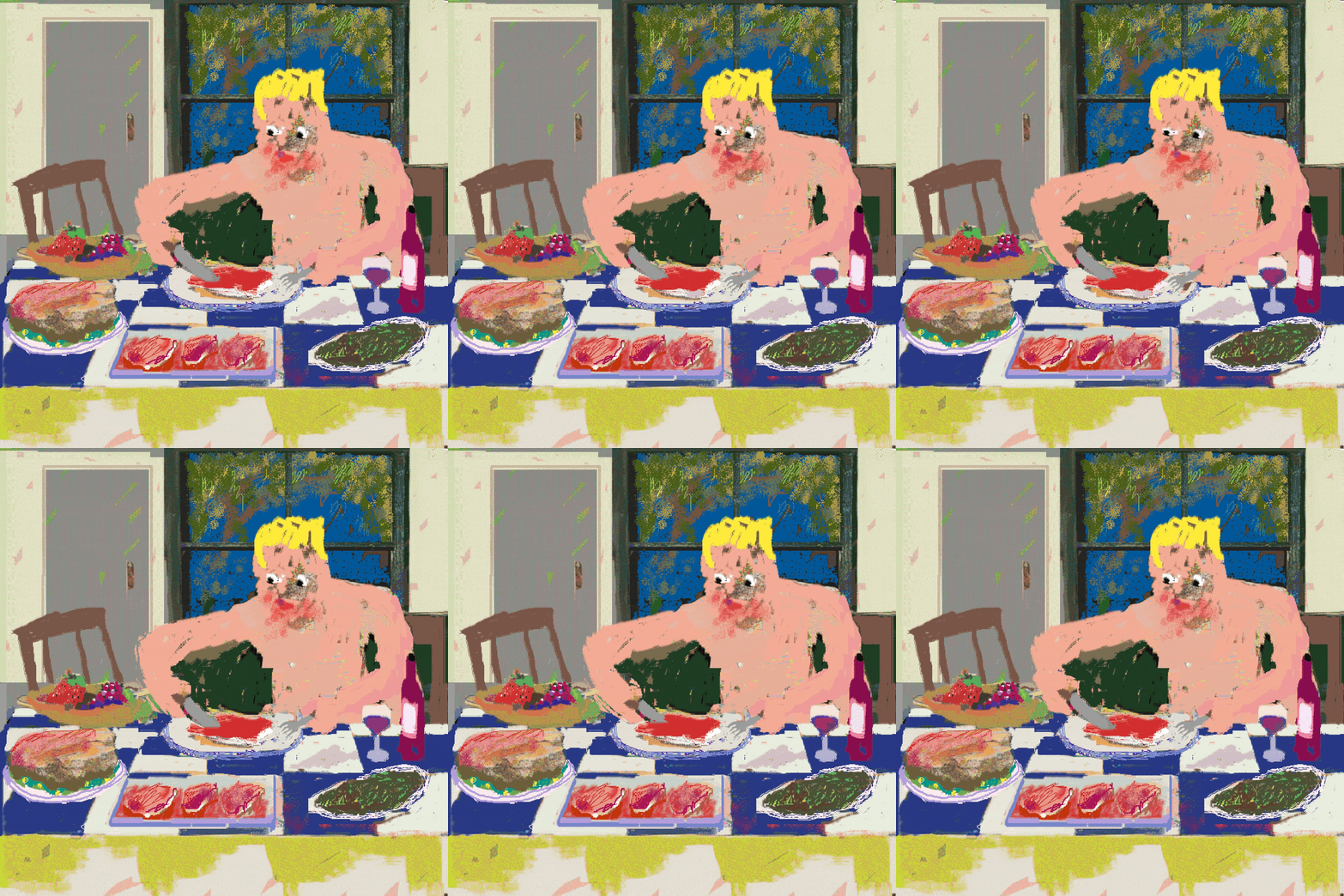 RJ is a digital artist working in pixel-painting and animation, interested in the way the internet shapes our bodies and our spaces.
Interview for the ACCOMPART'S Auction House
What led you to digital art, and how has your artistic journey evolved into what you do today?
A/ I came to digital art first through writing - I wanted to find somewhere to publish material outside of traditional pathways and ended up on Hic et Nunc in early 2021. As I began to explore the works being shared, I began to create my own pixel art, and have been developing my work ever since.
As I began to explore the works being shared, I began to create my own pixel art, and have been developing my work ever since.
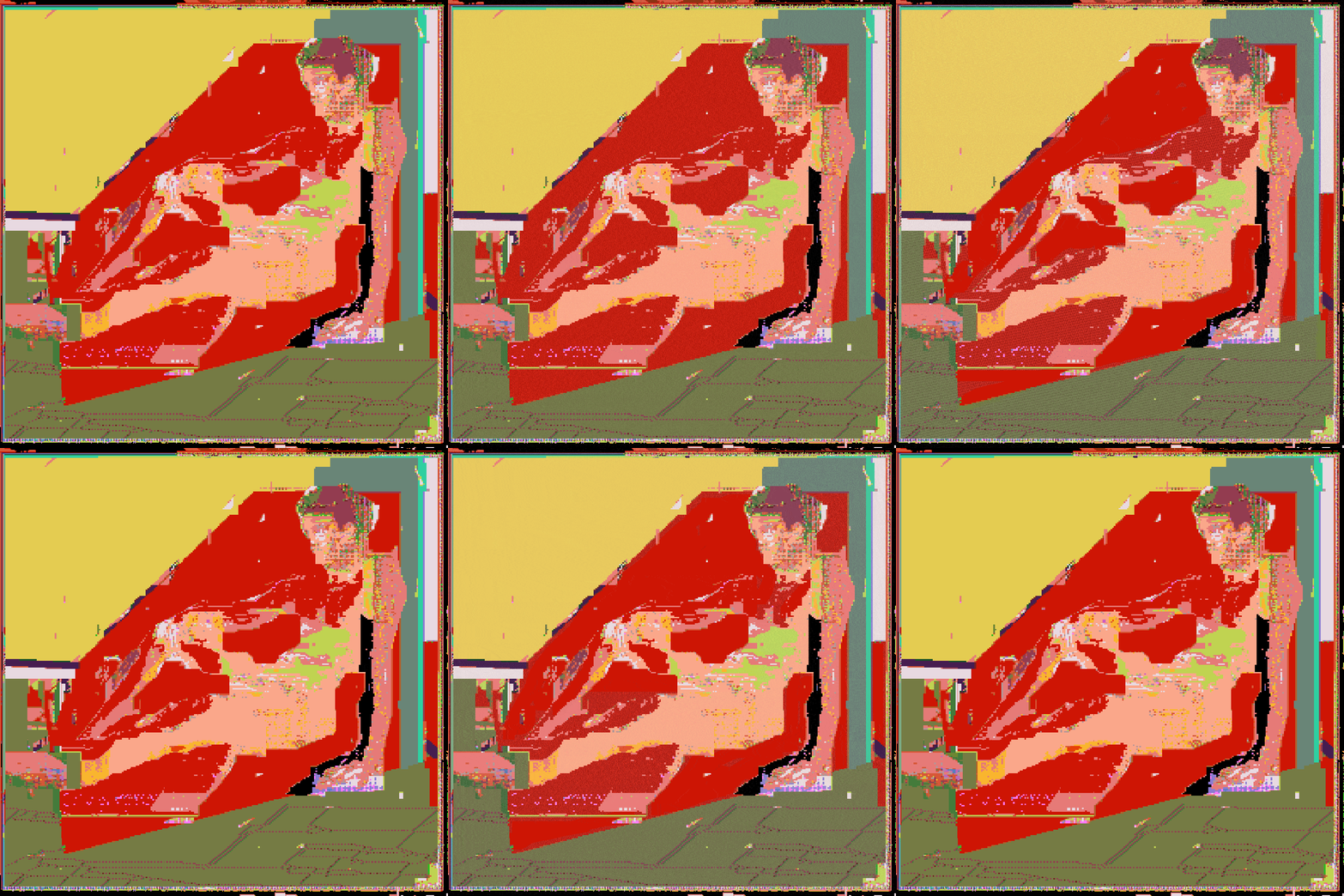
Are there any unique tools, techniques, or creative processes that define your work? What secrets can you share about how you bring your pieces to life?
A/ I do all my drawing in a free browser site called pixilart.com - I’ve been using it for years but still don’t think I’ve tried out all the features.
Your work often investigates how we relate to art in Web3. How does ‘Minoritarians’ expand on these ideas? Does digital art challenge traditional notions of representation and identity in ways that physical art cannot?
A/ I think that there are definitely ways digital art can open up forms of representation and offer means for exploration of identity. I also think that our lives today are so mediated that it makes sense that the tools of this mediation work best to capture the experience of lives lived online.
Our lives today are so mediated that it makes sense that the tools of this mediation work best to capture the experience of lives lived online.
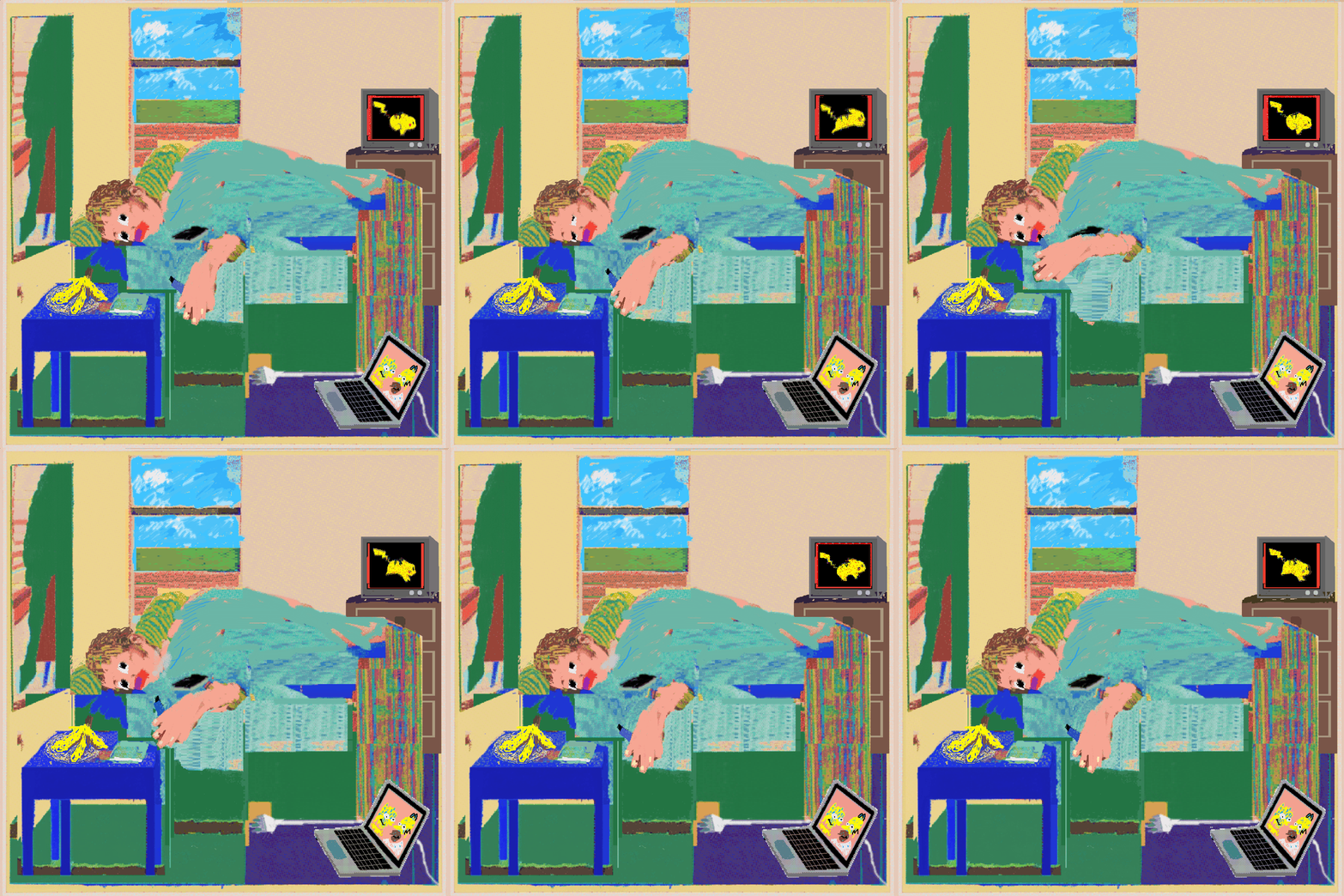
The concept of the Minortorian, inspired by Deleuze & Guattari, highlights deterritorialization and resistance against dominant structures. How do the selected artists reflect these ideas in their work? What qualities did you seek in curating the Auction?
A/ In curating the auction, I wanted to bring together a group of artists who I see as a) steadfastly realizing their own unique visions of the human and the body, and b) whose visions felt somehow informed by internet culture or the effects of networked technology.
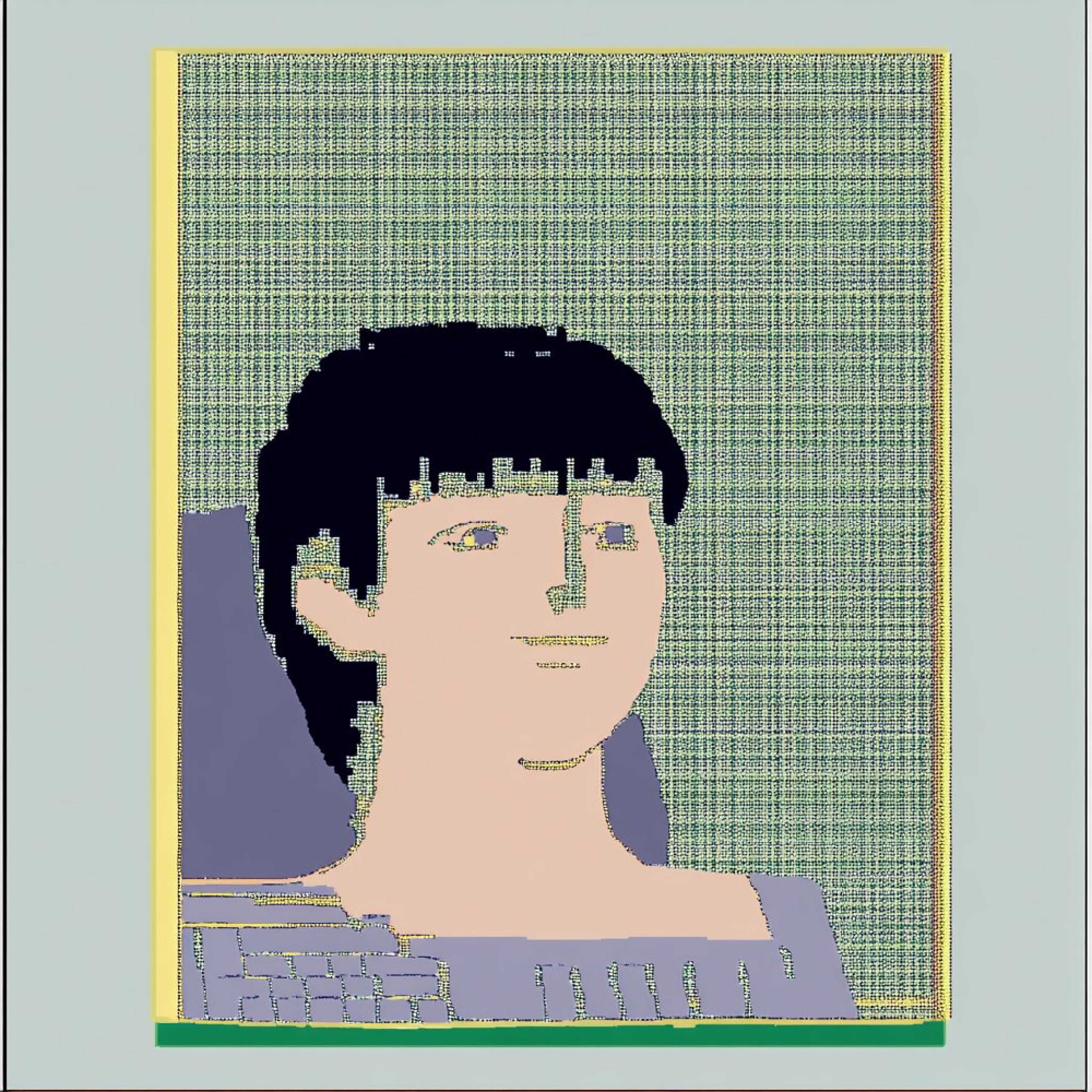
One of the key themes in the auction is the relationship between bodies and digital mediation. In an era where identity is increasingly shaped by surveillance, algorithms, and hyperconnectivity, how do these works engage with or resist this reality?
A/ I think these works engage with this reality in a variety of ways. Some reflect the excitement and energy of hyper-connectedness, others engage with the ways in which digital mediation might be seen to disfigure our relationships with space and our own sense of embodiment in space, while others explore our transformation into various forms of abstracted entities.
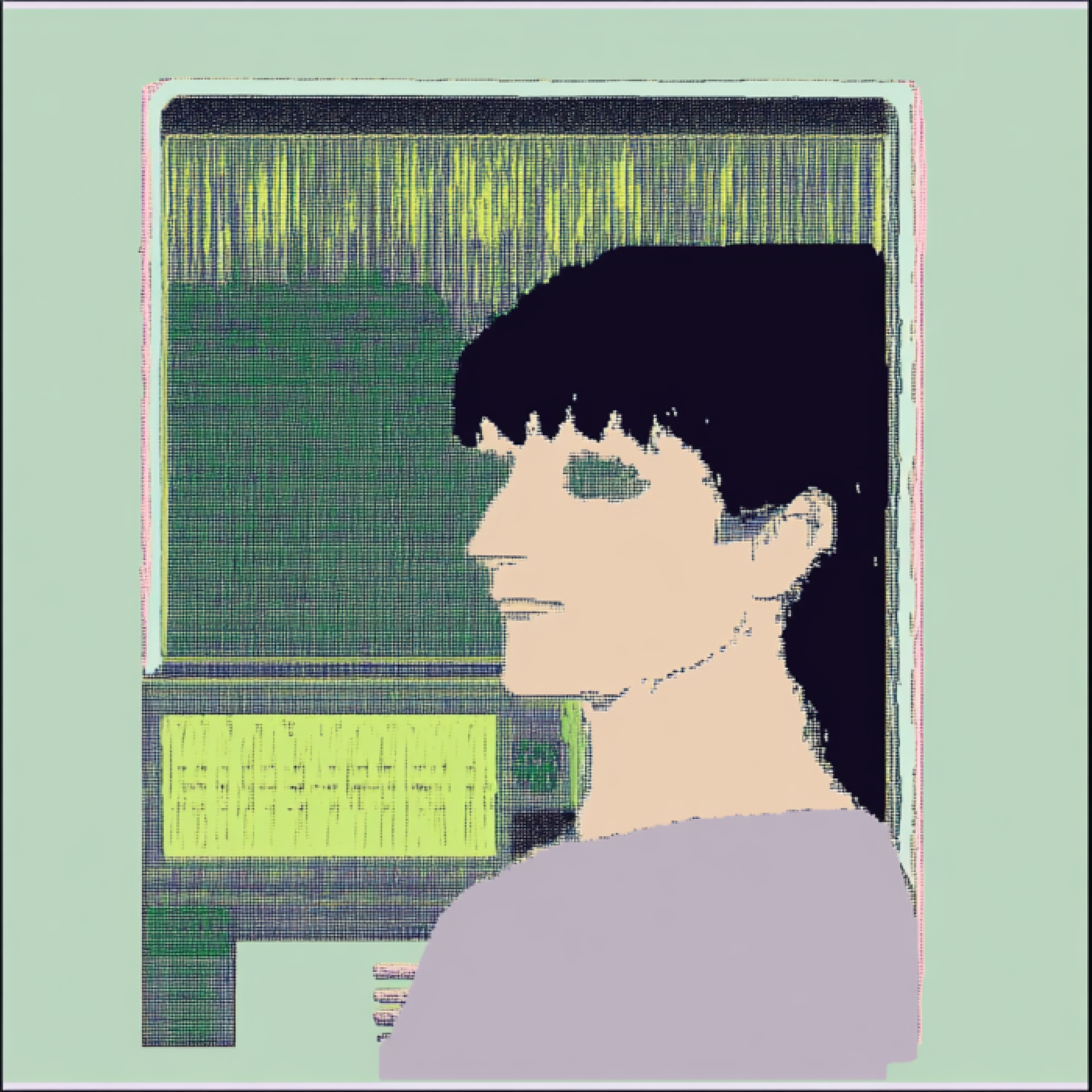
You’ve created collections like ‘Internet People’ and ‘I am Human and I Need to be Loved.’ How has your own artistic exploration of digital identity informed your curatorial approach for this auction?
A/ I think my own exploration has hopefully opened me up to the variety of ways in which such figurative representation might be achieved. I’m aware of my own style, and with that, the limitations of my own work, and so as a result, have been motivated to engage with the various modes of expression the artists in the show are employing.
My own exploration has opened me up to the variety of ways in which such figurative representation might be achieved.
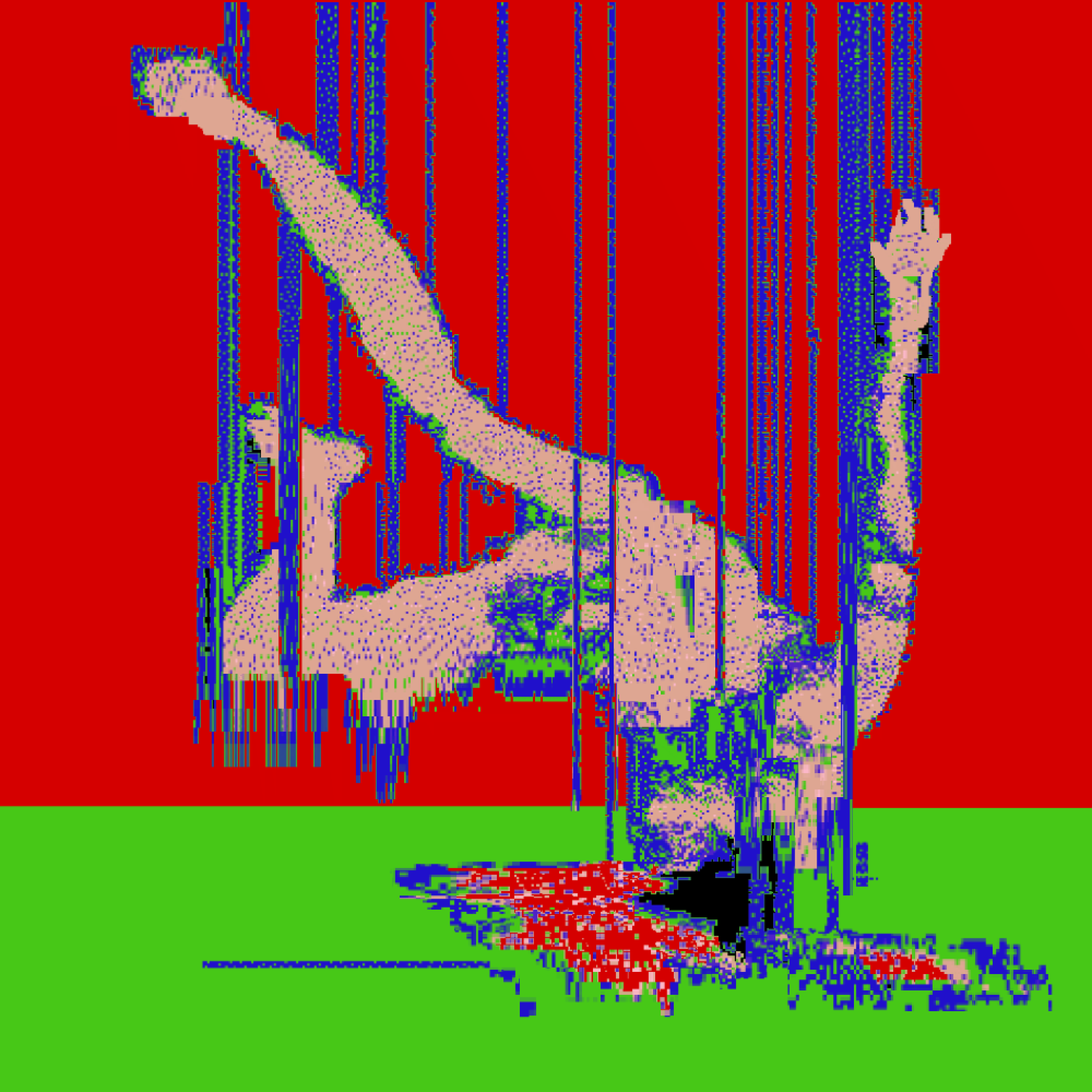 This is How Your Email Finds Me
The concept mentions the tension between hypervisibility and erasure. In your view, how does Web3 enable both visibility and the risk of digital disappearance? Do you see blockchain as a tool for preservation, or does it reinforce the same cycles of obsolescence?
A/ I think the internet encourages both simultaneously. Everything has the potential to become hypervisible - to develop vitality - and yet the amount of material that is now being generated also means everything contains the potential for complete disappearance within the mass of production. And again, I think the blockchain does both - yes, it can preserve (though this preservation is perhaps more precarious than we might like to imagine) but as minting and preservation become accessible and invite forms of Capital, then there’s a risk (I think) of becoming engaged with feedback loops of continuous production that privileges the new over the old.
If there’s one message or emotional response you hope viewers take away from ‘Minoritarians,’ what would it be? What conversations do you hope this auction sparks within the digital art space?
A/ My real hope for this is that maybe people will go away and reflect on what it feels like to be sat as a body using a computer, and ask maybe where do I go when I go on the internet: am I in my room, in my body, my hands, my head, or somewhere else entirely?
My real hope for this is that maybe people will go away and reflect on what it feels like to be sat as a body using a computer
Artist and curator ‘MINORITARIANS’ Digital Art Auction: R.J. / @RJ16848519
Interview @YNKAdigital
ACCOMPART'S© — Computer Art Auction House ©