

Scorpion Dagger: Renaissance Chaos, Modern Glitches
James Kerr - the artist behind Scorpion Dagger — brings Renaissance figures into absurd modern worlds through looping digital animations. For “Soft Error. A Metamorphosis Chapter,” he presents the Touch Grass Diptych, exploring online identity, misfires of memory, and the strange beauty of digital repetition.
 Scorpion Dagger
James Kerr is a digital artist based in Montreal. He is best known for his short animation project Scorpion Dagger, where he mixes cut outs from various paintings from art history to create a world where he comments on our modern age, and pop culture in general. James’ animations have been shown in art galleries throughout the world. He has also been commissioned by various clients, including The New York Times, Gucci, and Adult Swim.
ACCOMPARTS × Art on Tezos: Berlin // “Soft Error”
A/ Your animations create a universe where Renaissance figures step off the canvas and live absurd modern lives. What originally drew you to using historical art as raw material and what keeps you returning to these characters?
One of the challenges I had when I started doing the one-a-day GIF project back in 2012, was finding inspiration for what to make. At first I was using collages from my portfolio, but quickly ran out, so I started looking online for other sources to cut up and animate. At some point I fell upon some early Renaissance paintings, and realized that there was so much to draw upon. It was as if the paintings were telling me what to make. Instant inspiration.
The more I used these paintings, the more I fell in love with the characters on the canvas. I started creating relationships with them, and felt as if they were perfect for creating a new universe.
It was as if the paintings were telling me what to make.
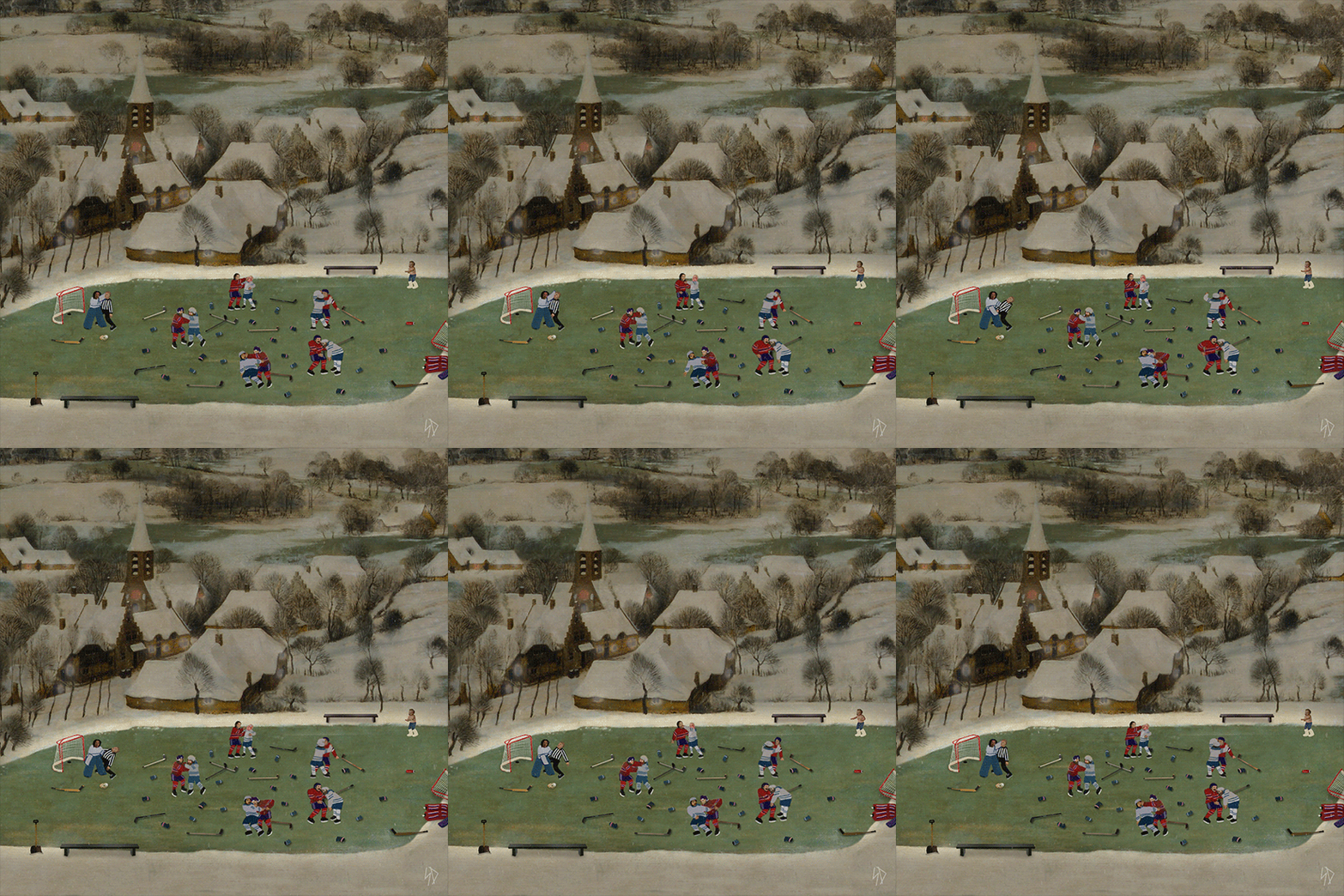
A/ The “Touch Grass Diptych” places your characters in a split world - one side blissfully absurd and the other restless and displaced. How did this diptych emerge, and what does “touch grass” mean inside the logic of the Scorpion Dagger universe?
Scorpion Dagger for a large part is me exploring my struggle navigating an online self vs. IRL James. For a large part I despise the internet. However, I can’t deny that the world wide web has brought me incredible opportunities, and through it I’ve met some amazing people. It’s really something I grapple with all the time.
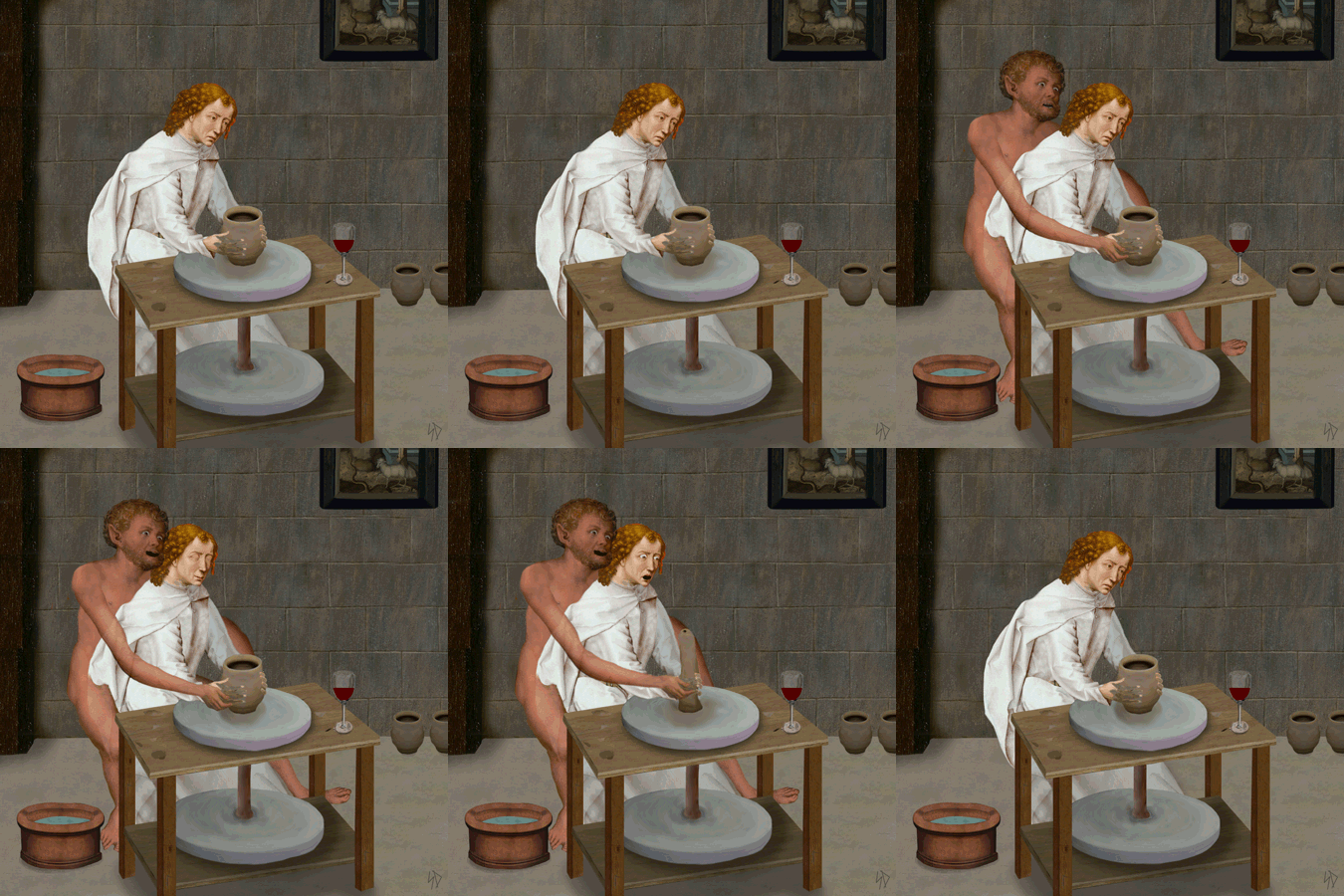
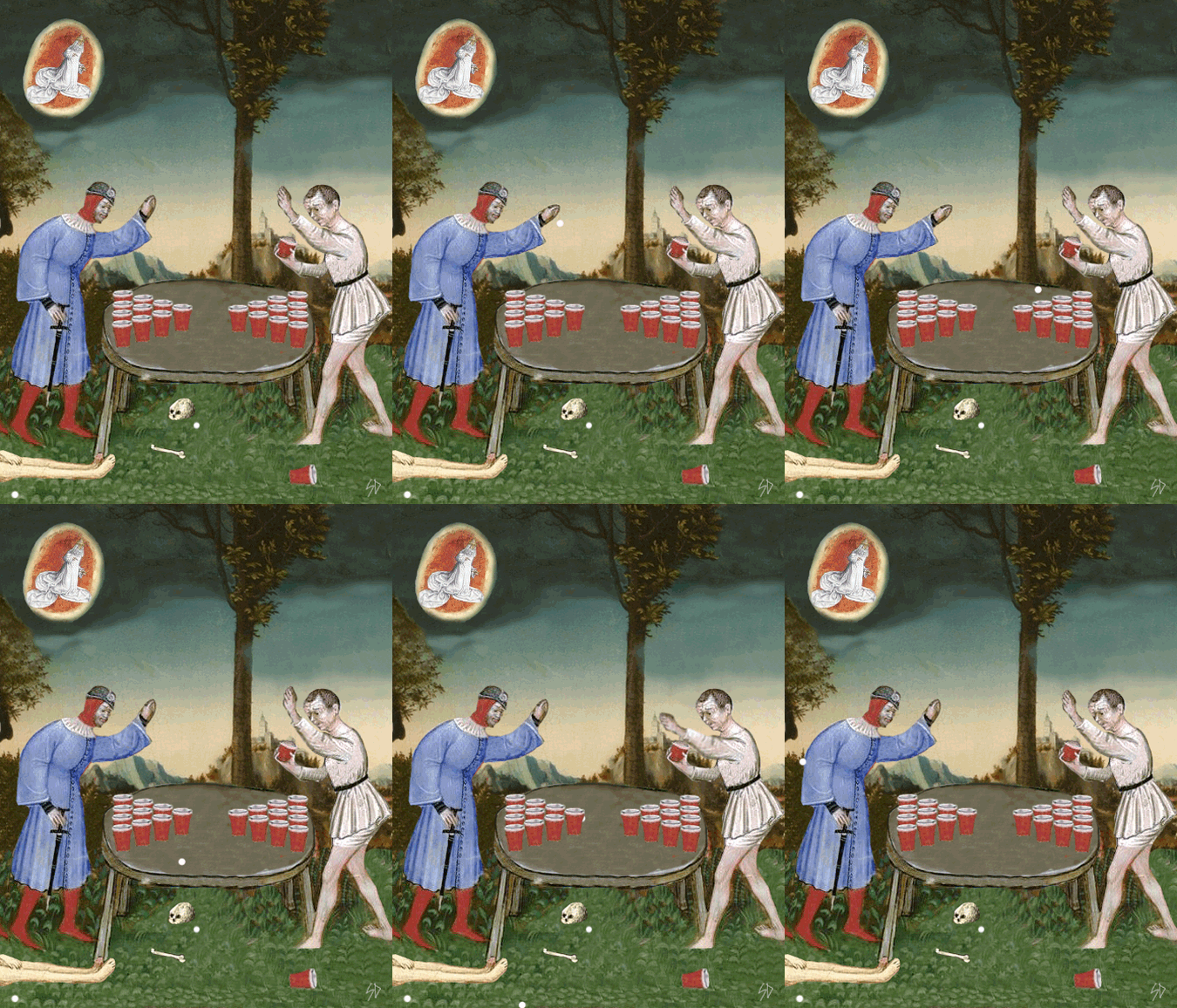
Touch Grass Diptych, is really how you described it. One side is more of an online self, whereas the other is people out enjoying life. I try not to be too literal with my work, nor do I really like framing it for the viewer, I rather let them decide what they see in it, but it’s essentially that duality.
Scorpion Dagger for a large part is me exploring my struggle navigating an online self vs. IRL James.
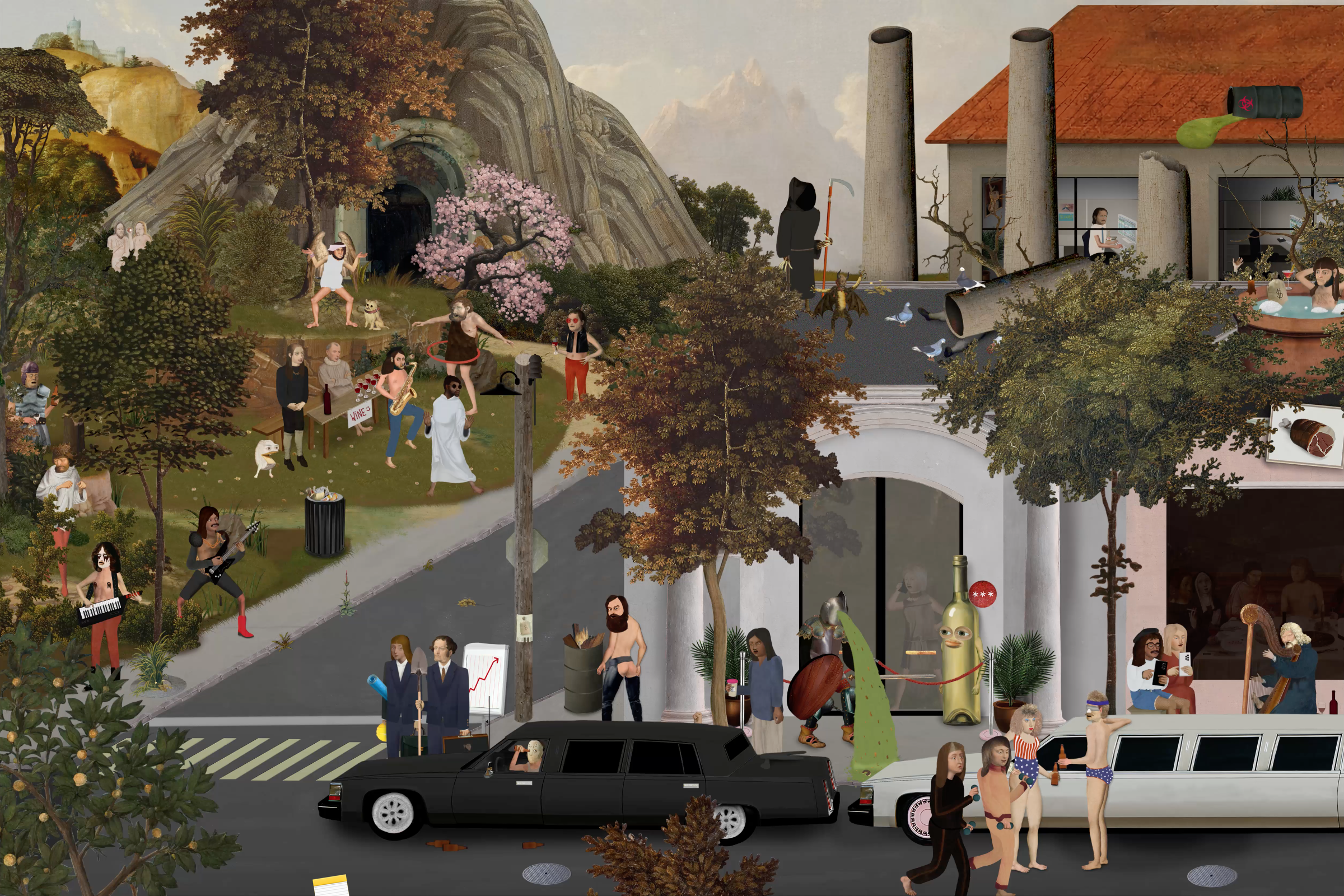 Touch Grass Diptych - The Whole Thing
A/ In Soft Error, we explore loops, glitches, and misfires of memory. Your characters often repeat gestures, cycle through movements, and glitch socially rather than digitally. How do you see animation loops functioning as a kind of narrative or emotional “error”?
It’s mostly aesthetic. I have a real hard time with short animations that have a hard ending. Like, I see these short animations on social media and they just BAM. Over. It’s so abrupt, and I think it looks terrible. To be fair, it’s mostly Ai ‘animations’ that I see do this.
In a sense, I come from GIFs, and believe GIFs should loop.
A/ Your practice blends traditional art history, meme culture, and contemporary digital playfulness. When you animate these figures into modern situations, do you think of it as satire, world-building, or a form of cultural archaeology?
All three! Maybe even more. Again, I don’t like framing my work partly because I don’t want that to dictate where it goes, and how people view it.
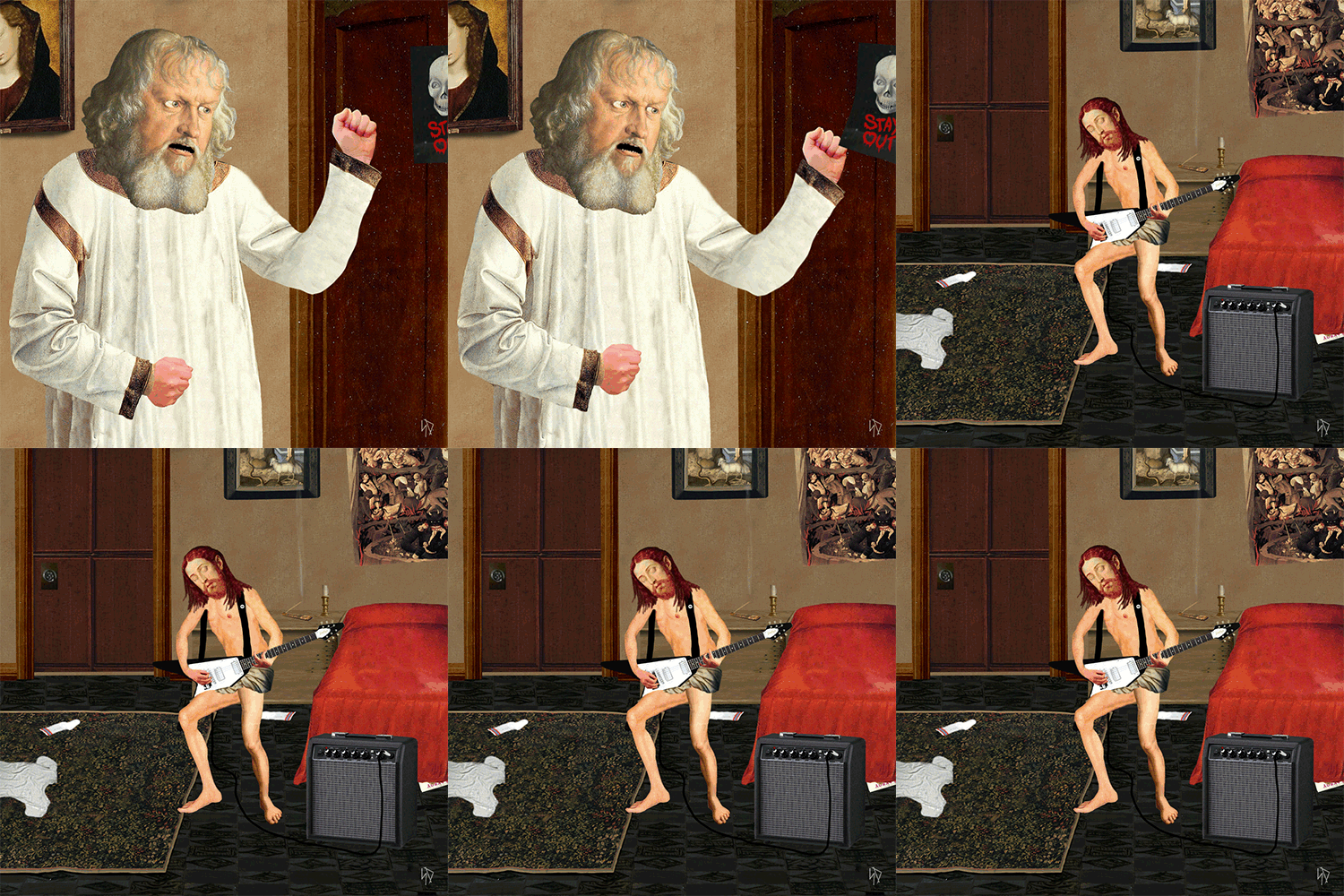
A/ You’ve exhibited in Montreal, Rome, London, Tokyo, and LA, and worked with major clients like The New York Times, Adult Swim, and Gucci. How does showing work in a Web3-native context like Soft Error differ from these spaces?
I’m not entirely sure there’s much of a difference. I think because my work is digital, there’s often a struggle figuring out how to best exhibit it offline. I’ve done prints, shown more traditional mixed media work, and done projections/screens. All have been challenges. It really comes down to the space, online and off, and figuring out what works best.
The neighborhood in the Touch Grass Diptych feels like a living world - one you hinted might continue. Are you building toward a larger narrative universe? Can we expect more “neighborhoods” or interconnected environments?
My solo show in Tokyo a couple of years ago was mostly a giant landscape projection inspired by memories from a previous trip to Japan. I had such a blast making it, and thought it would be really fun to build a world by adding sections of places I’ve traveled too since. I’m working on a Costa Rica section right now.
My hope is to go exhibit the sections back in the countries that inspired them. So, for example, once I’m done with Costa Rica is to go back, and find a space to project it. It would be an expanded world with Japan bleeding into Costa Rica. Essentially, with each new country, the world and projection gets bigger.
I’d love to keep it going until I can’t make them anymore.
I’d love to have this massive universe at the end, filled with my dopey characters.
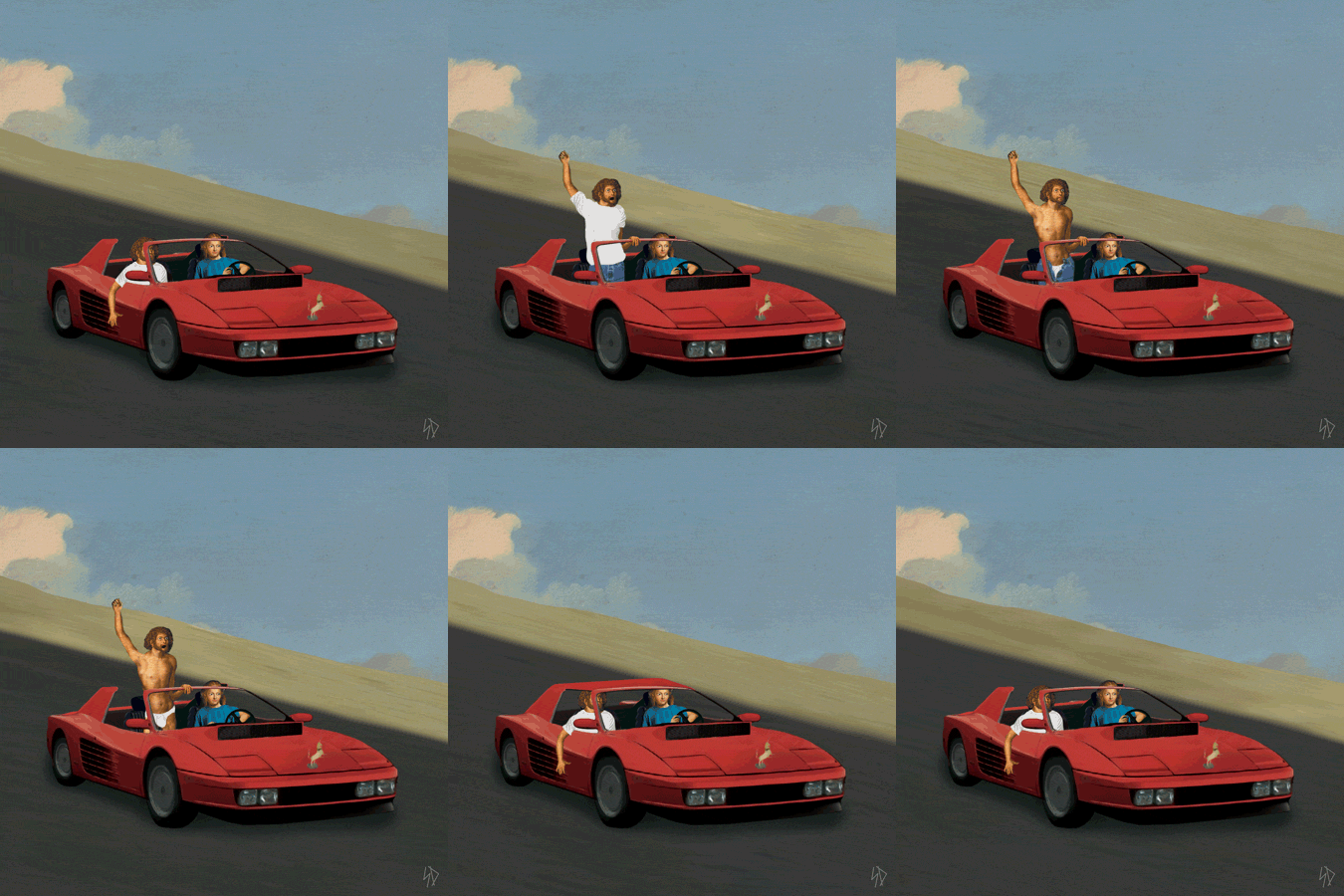
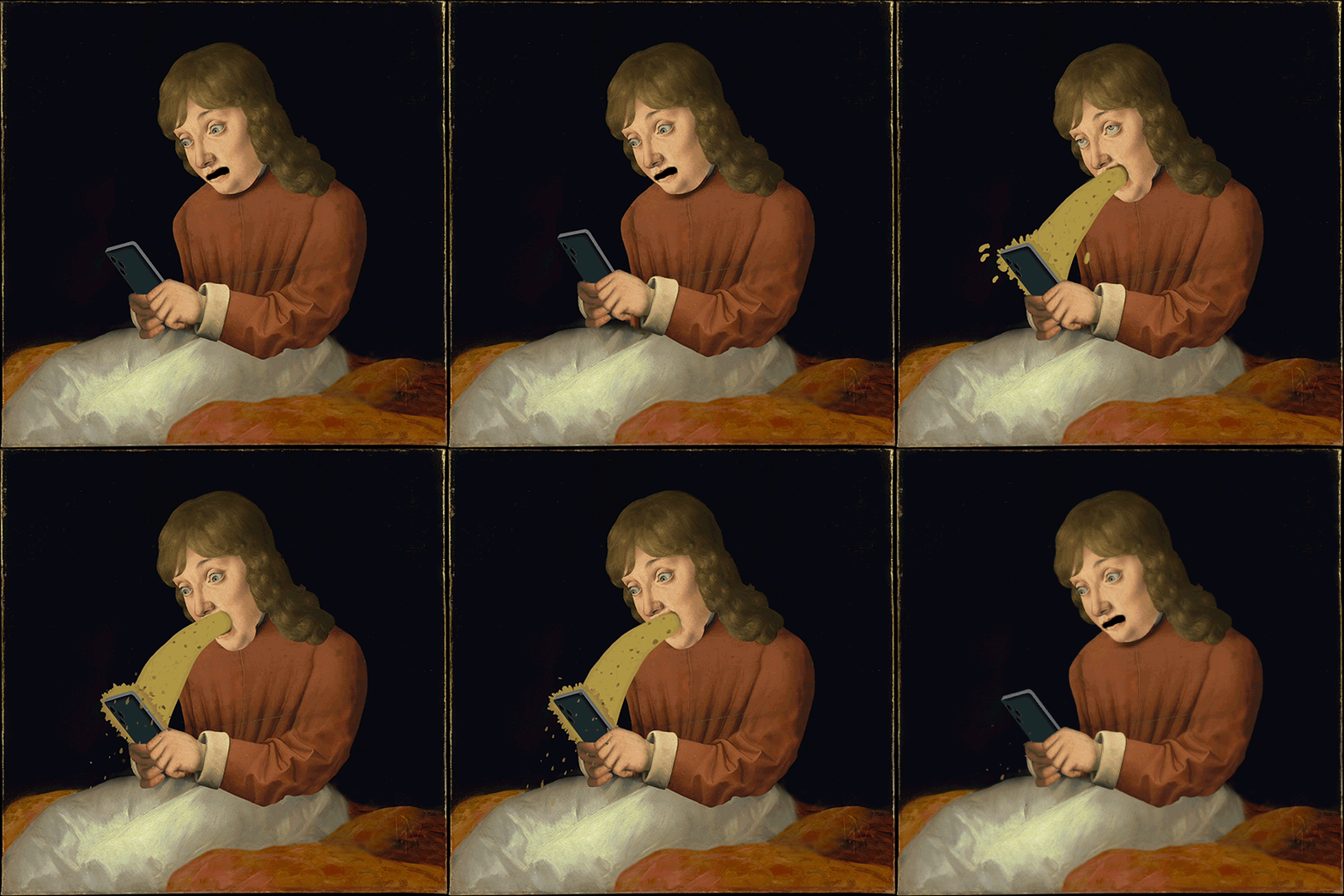
Scorpion Dagger // @ScorpDag