

Françoise Gamma on Info Baroque: Reawakening Digital Ornamentation
A deep dive with Françoise Gamma, the digitally embodied artist and curator of Info Baroque. Discover how ancient ornament meets machine aesthetics, how glitch becomes spiritual, and why digital ornamentation is reshaping our visual culture.
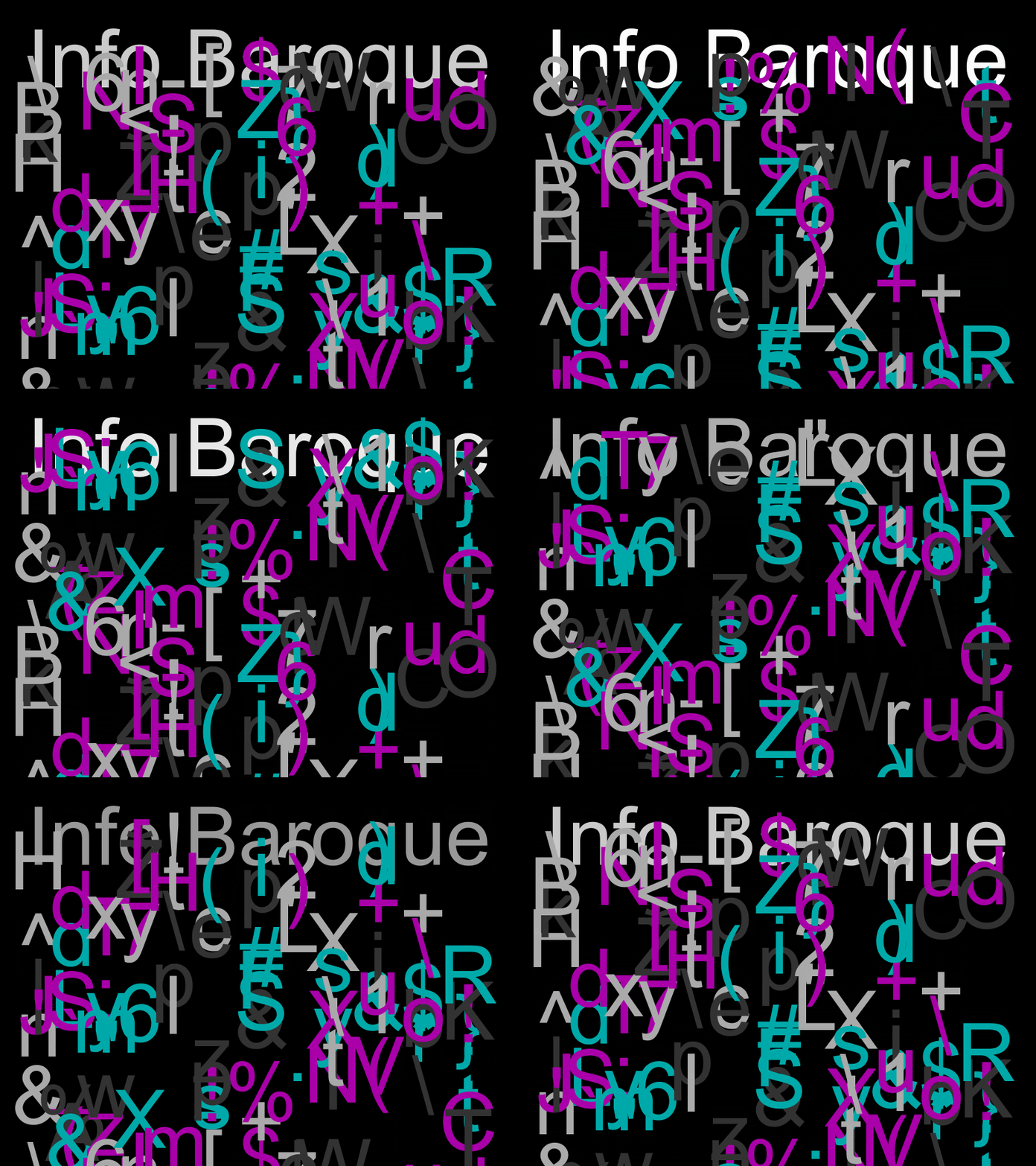
Françoise Gamma
Francoise Gamma is a digitally embodied entity that uses the Internet to draw animated GIFS (for Netscape 3.04). Its work has appeared on Kanye West's blog, in solo exhibitions, and all over the World Wide Web. Computers Club member.
Interview for ACCOMPART'S Digital Art Auction House
"Info Baroque" invites us into a space where ornament becomes data and vice versa. What inspired you to explore this interplay between computational aesthetics and ancestral decoration? How do you see this theme resonating with today’s hyper-digital visual culture?
A/ The theme of the exhibition, Info Baroque, is rooted in a personal theory that draws a continuous line between the ancient and the digital. I’ve long been fascinated by the uncanny parallels between primitive ornamental patterns—found in textiles, architecture, ceramics—and the visual language of computer graphics. Binary rhythms, pixelated grids, recursive motifs, and fractal-like symmetry can all be traced back to ancestral designs that were created without any knowledge of computing, yet seem to speak fluently in the same visual dialect. In this exhibition, ornament becomes data, and data becomes ornament—blurring the line between what is traditionally seen as decorative or intuitive, and what is perceived as logical or algorithmic. It's about revealing the latent digital in the ancient, and the enduring human instinct to encode, repeat, and embellish.
In today’s hyper-digital visual culture, this theme echoes through countless artistic practices that intuitively or deliberately revive our visual past. From generative design and glitch aesthetics to pixel art and AI-generated ornament, there’s a strong current of artists and designers who are weaving historical visual languages into new digital forms. These works don’t just reference the past—they reformat it. I see this as a way of reconnecting with the timeless urge to decorate, to encode meaning in repetition and variation. It’s a form of visual memory that persists even as the tools evolve. The hyper-digital landscape we live in doesn't erase our heritage—it amplifies its patterns in unexpected and beautiful ways.
I’ve long been fascinated by the uncanny parallels between primitive ornamental patterns—found in textiles, architecture, ceramics—and the visual language of computer graphics.
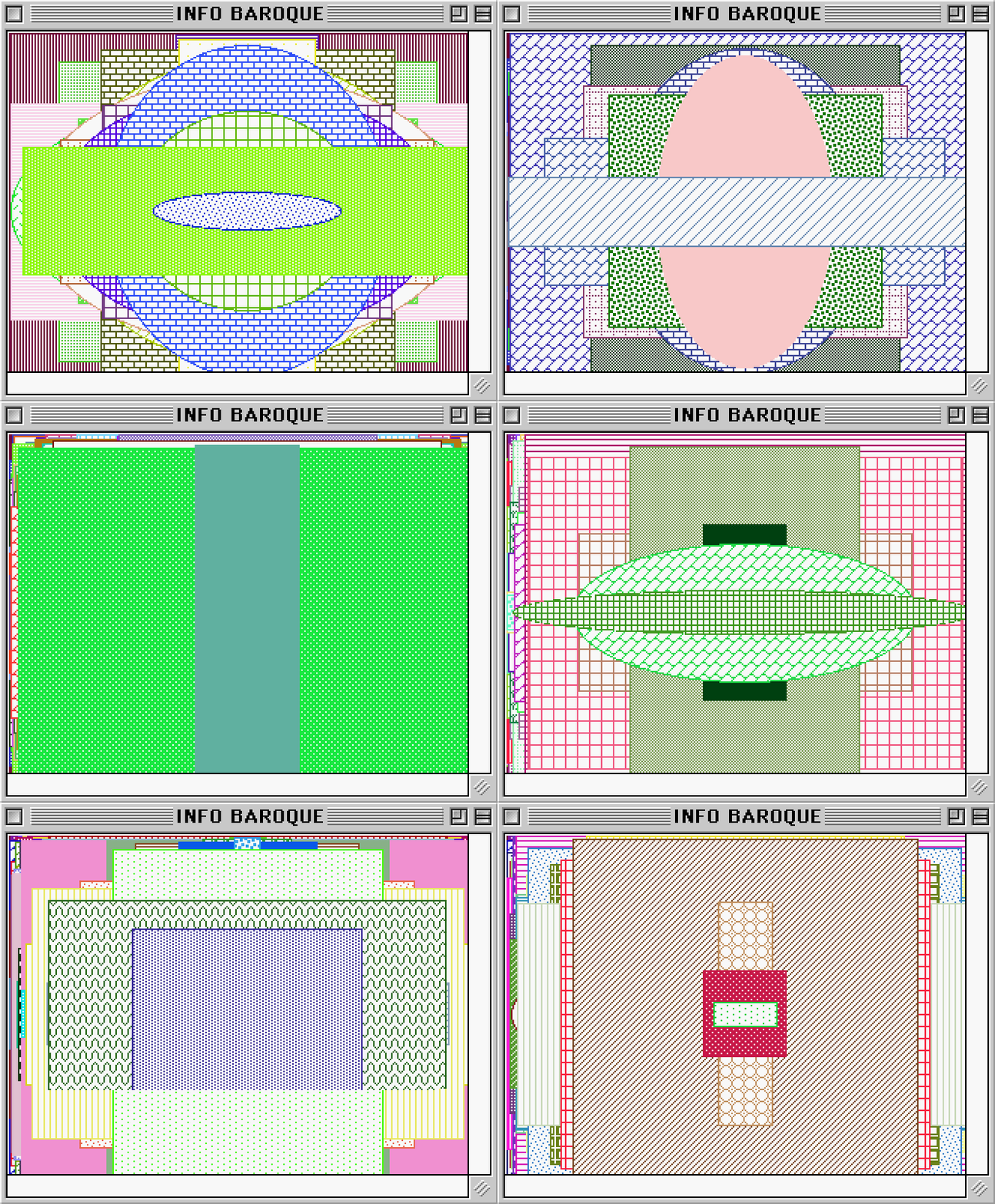
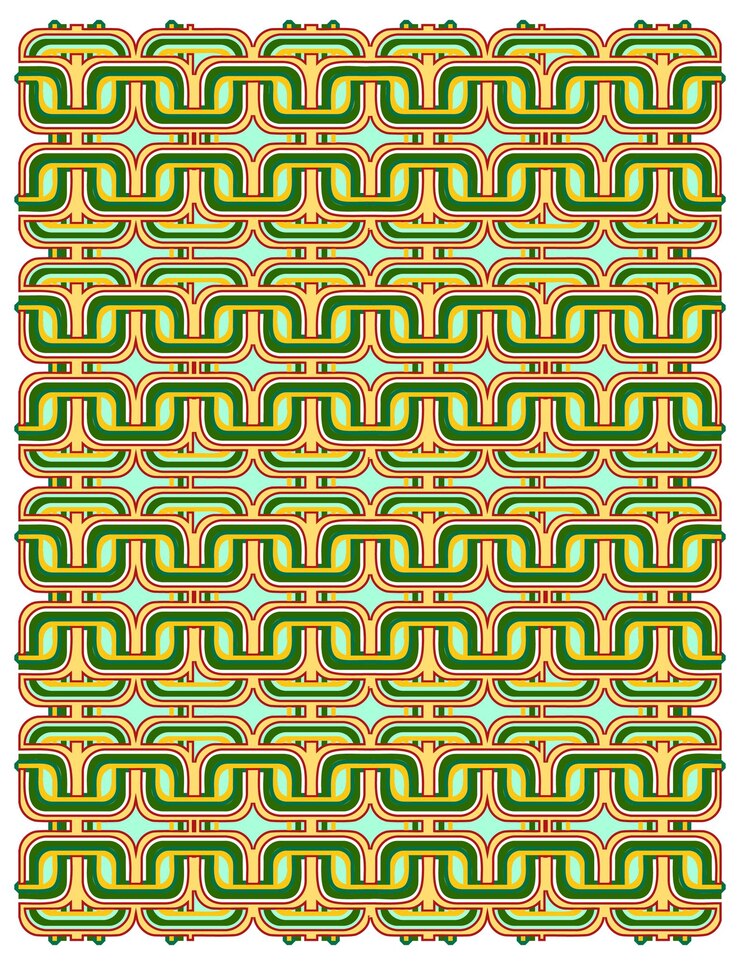
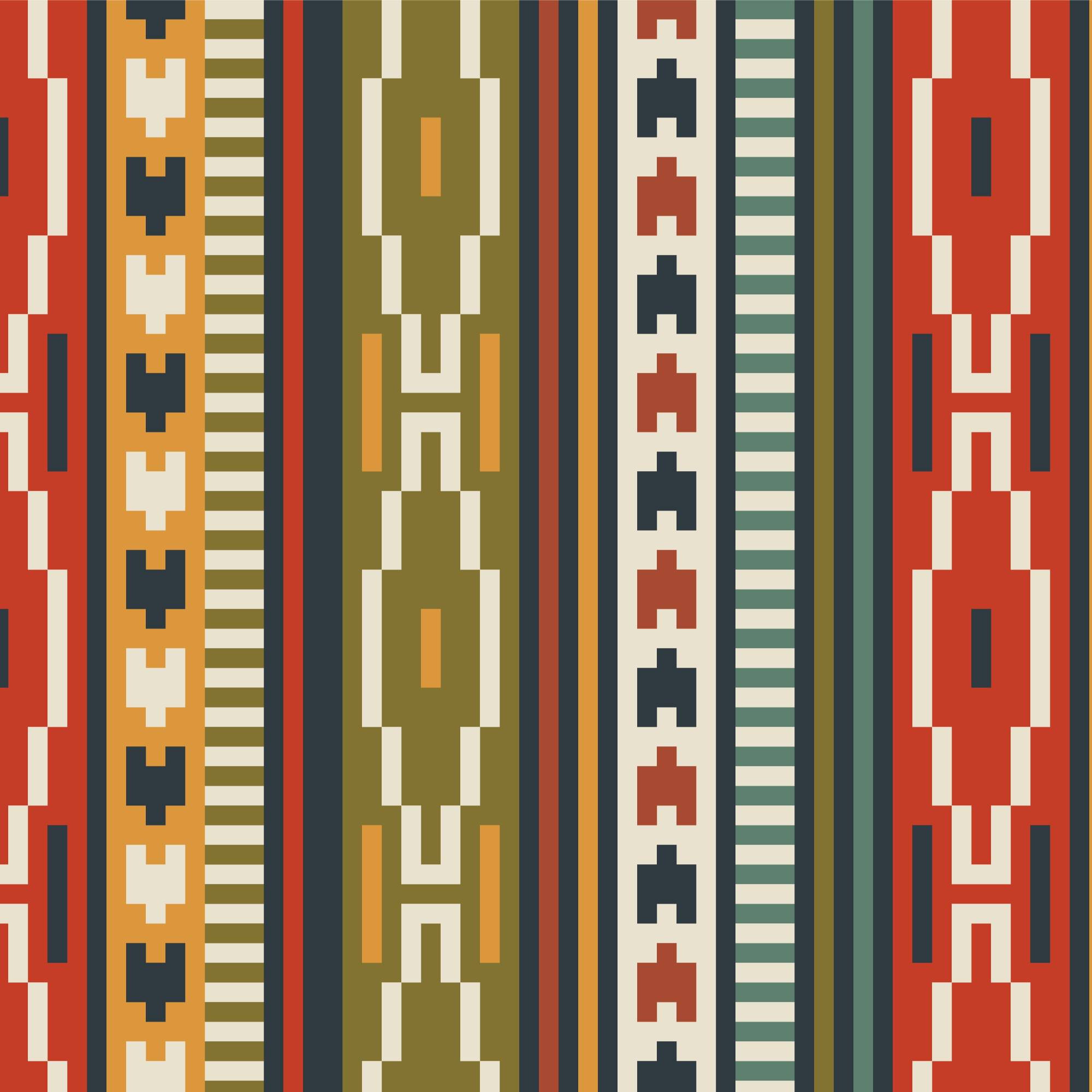
Your artistic process often involves obsolete formats and glitch aesthetics—why is this tension between obsolescence and futurism so important in your work, and how did it inform your curation for this auction?
A/ This process stems from a desire to continue an abandoned tradition. Early digital aesthetics—low-resolution graphics, pixel art, analog glitches—were once cutting-edge, but now they exist in a kind of visual afterlife. Reviving them is more than nostalgia; it's a metaphor for an era when the future was still forming, still full of mystery and potential. These obsolete formats carry the fingerprints of their time, and by reactivating them, I’m able to explore a dialogue between what was imagined then and how we perceive the future now. In that sense, my work becomes a ritual of digital archaeology—uncovering the beauty and emotional weight of technological relics. This tension between obsolescence and futurism is a core energy in Info Baroque, where ancestral ornamentation meets machine aesthetics. Each piece in the exhibition is curated to reflect that liminal space, where time folds in on itself and forgotten formats feel strangely prophetic.
This tension between obsolescence and futurism is a core energy in Info Baroque, where ancestral ornamentation meets machine aesthetics.
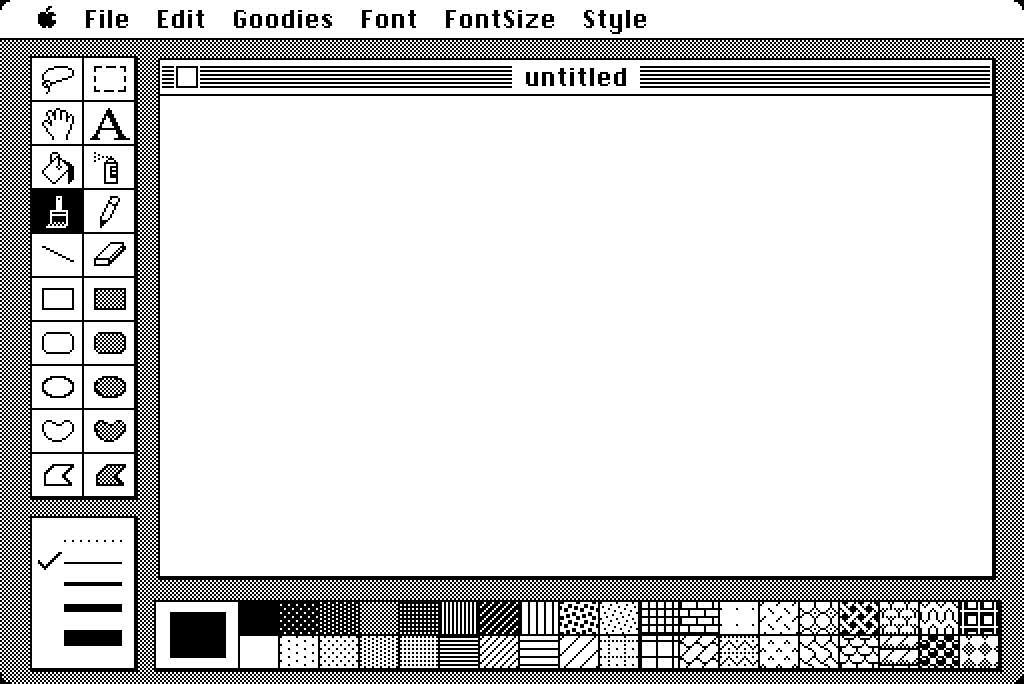
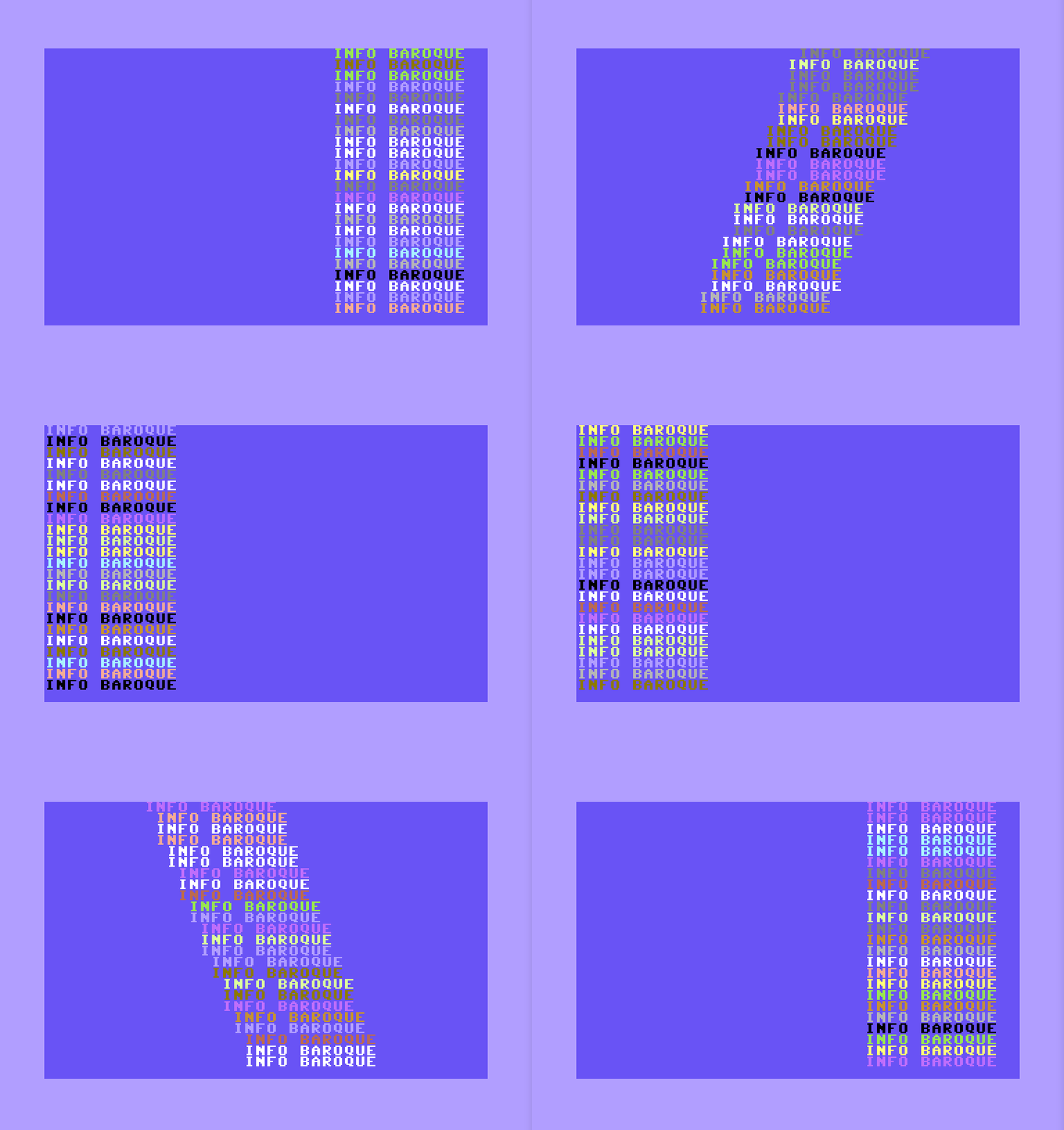
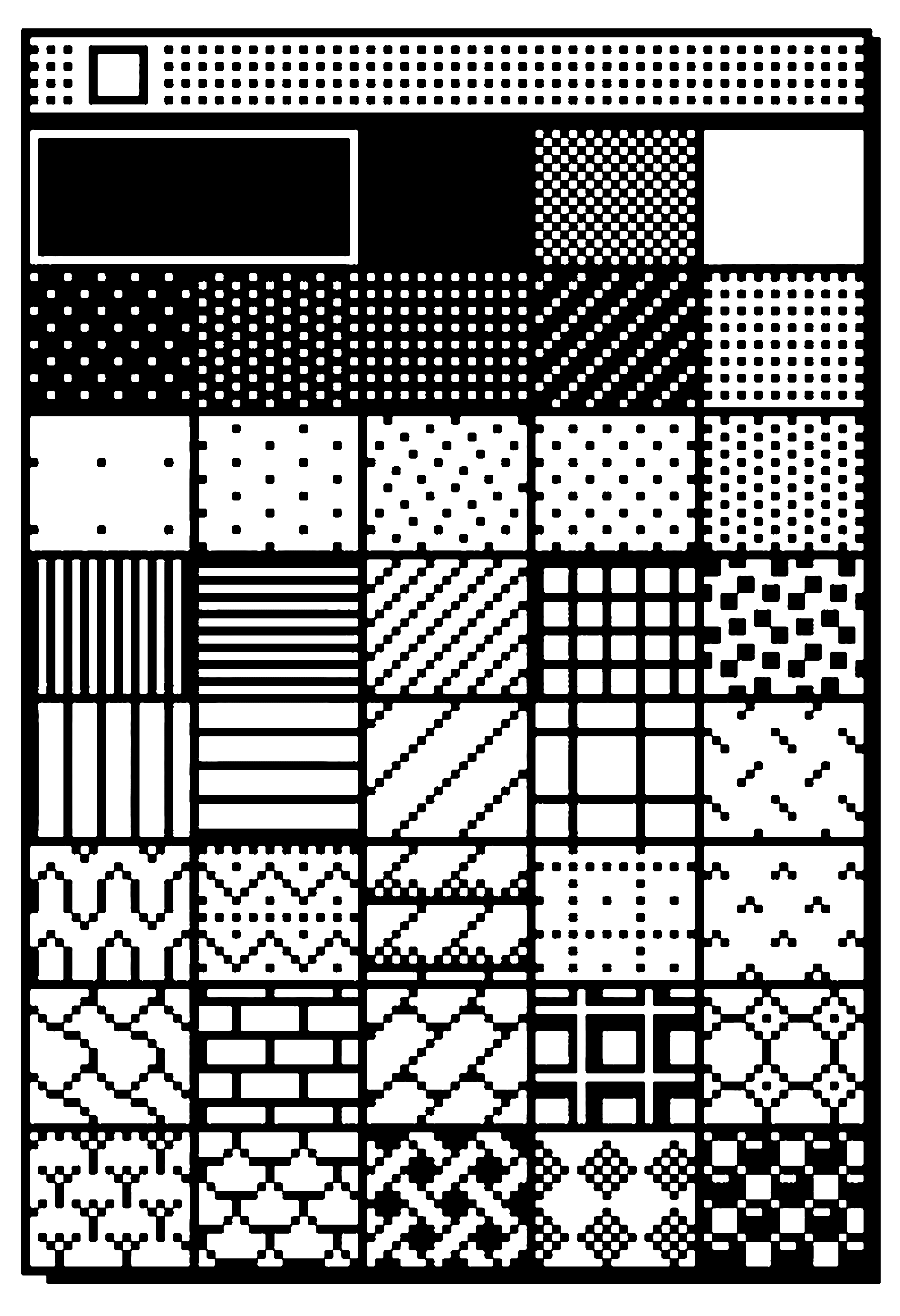
Info Baroque Auction blends sacred geometry, synthetic symbolism, and poetic abstraction. Do you see a spiritual or ritualistic quality in today’s digital ornamentation? If so, how does that manifest in the artists you've selected?
A/ More than a spiritual or ritualistic quality in the traditional sense, I see a profound historical nature in digital ornamentation. There’s something almost inevitable about its return. At the dawn of the machine age, ornament was dismissed—stripped away by modernist ideals in favor of functionality and purity. Yet here we are, in an age shaped by code and automation, witnessing ornament’s quiet resurgence—not through carving or weaving, but through pixels, shaders, and procedural patterns. This revival is not just aesthetic—it feels like a historical correction, a rebalancing act between logic and intuition, minimalism and excess.”
In Info Baroque, the artists I’ve selected are responding to this tension—some consciously, others instinctively. Their works embody a kind of computational mysticism, where sacred geometry is reborn through scripting, and symbolic systems emerge from data flows. The abstraction they create isn’t detached; it’s charged with memory, reference, and intention. These digital works don’t just decorate—they encode. In doing so, they connect us to a lineage of makers who have always used patterns to convey something beyond words.
In Info Baroque, the artists I’ve selected are responding to this tension—some consciously, others instinctively.
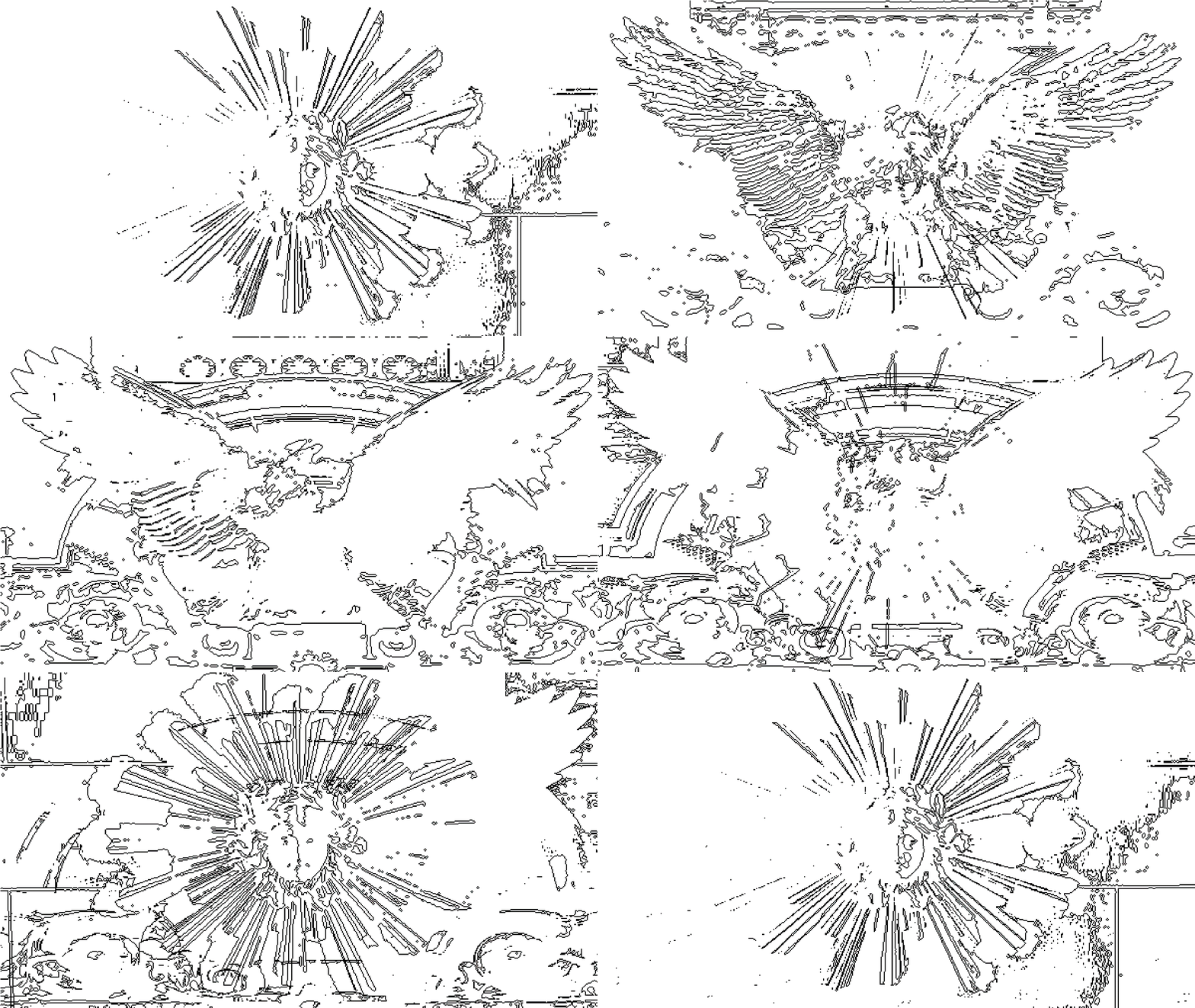
You’ve spoken before about resisting authorship and "breaking the dogma of the artist." As a curator, how do you approach the balance between individual artistic voice and collective digital language in a group show like Info Baroque?
A/ Breaking the dogma of the artist means placing the collective above the individual, the heterogeneous above the homogeneous. It’s an intentional gesture—a refusal to center a singular voice or impose a unifying narrative. In this context, my curatorial voice becomes more of a mimed expression than a spoken one, a silent choreography that makes space for others to speak. In Info Baroque, I’m less interested in highlighting isolated genius and more drawn to the ways in which different practices echo, overlap, and interfere with one another. The digital realm is inherently collaborative—built on shared code, remix culture, and collective memory—so the exhibition reflects that. Each work is part of a visual conversation, part of a wider language that transcends the ego and becomes something plural, evolving. Curation, for me, becomes less about control and more about orchestration—setting the conditions for this polyphony to emerge
Breaking the dogma of the artist means placing the collective above the individual, the heterogeneous above the homogeneous.
How does your background in fine arts and experimental cinema influence your curatorial choices in this auction? Can you share any hidden narratives or “cinematic” sequences you see in the flow of selected works?
A/ My background in fine arts and experimental cinema has shaped the way I perceive visual rhythms, pattern logic, and the narrative potential of abstraction. For Info Baroque, I drew inspiration from a selection of rare and deeply influential films—works that blur the line between visual language and conceptual structure, much like the pieces in this exhibition.
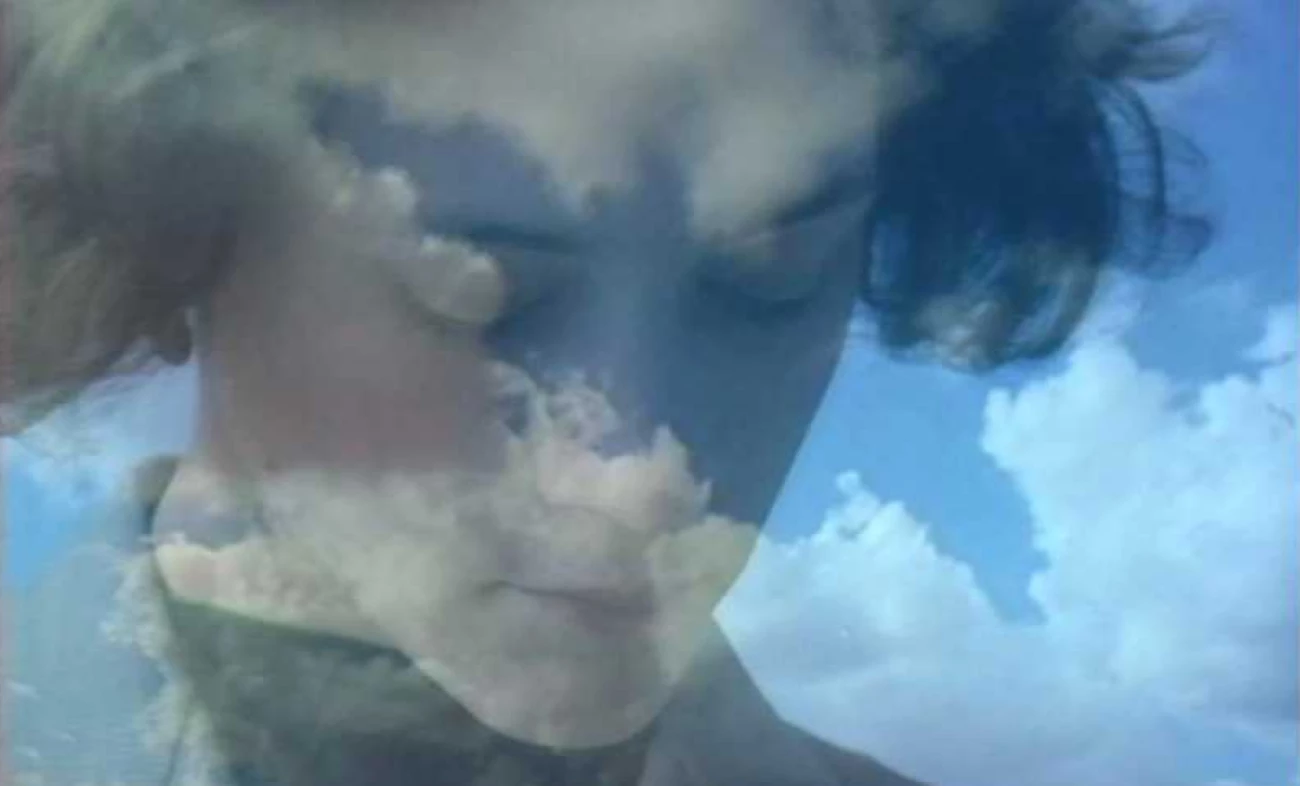 • Puissance de la parole (Jean-Luc Godard, 1988)
Godard weaves together fragments of literature, cinema, and art history into a dense visual-textual collage. His approach reflects a belief that words—and by extension, images—can be endlessly recontextualized and reprogrammed. This resonates with Info Baroque, where ornament and data take on new meanings depending on how they're sequenced, framed, and layered.
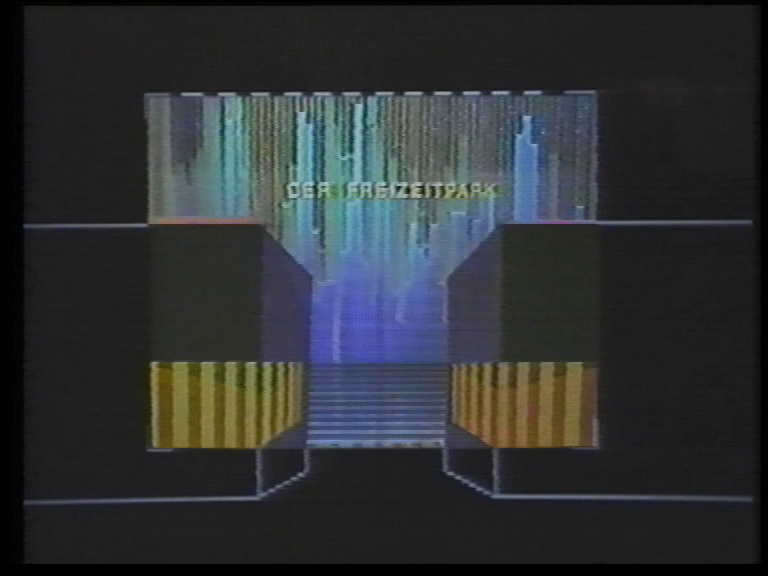
• Im Original Farbig (Pürrer & Scheirl, 1986)
This film bridges abstract animation and technological play, with diagrammatic imagery that evokes both indigenous design and early graphical user interfaces. Stripes and grids pulsate to an electronic soundtrack, while text and symbols move with mechanical precision, mimicking digital instructions. It feels like a living textile woven from code—something very aligned with the exhibition's fusion of ancestral and computational visual systems.
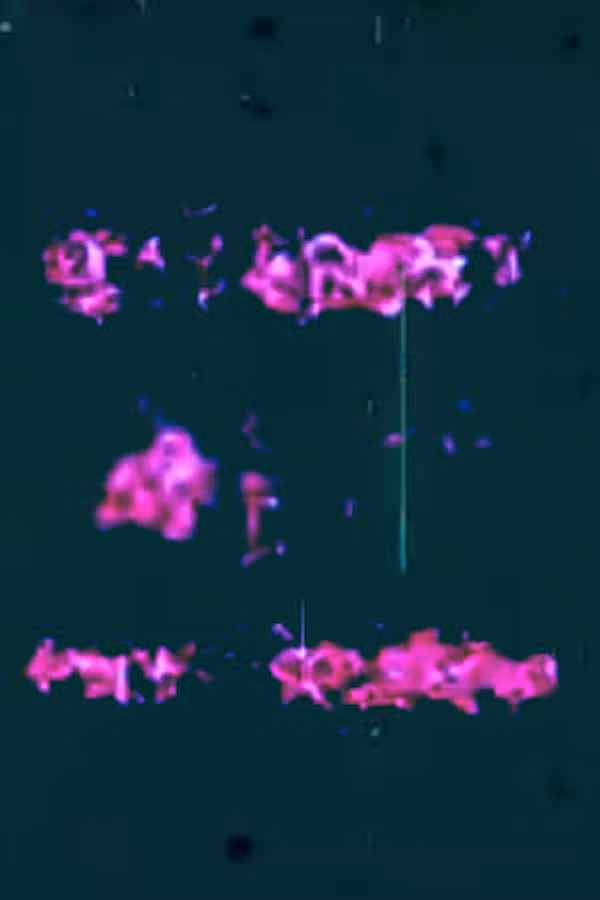
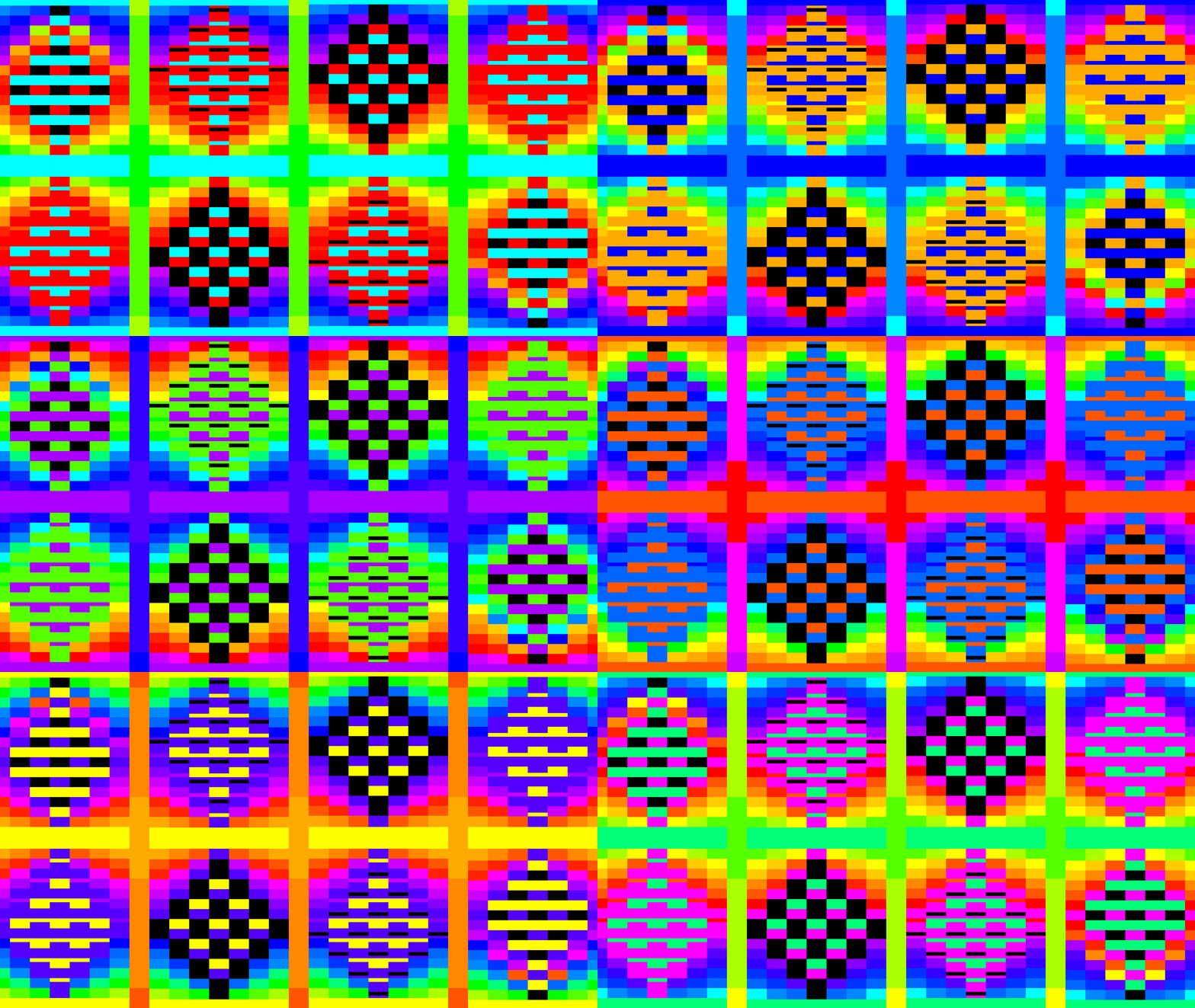
• Binary Bit Patterns (Michael Whitney, 1969)
Here, Persian-inspired ornamental structures emerge from some of the earliest digital image processing techniques. There’s a hypnotic tension between algorithm and craft, as the computer becomes a tool not for logic, but for ornamentation—predicting the current return of pattern and decoration in digital art.
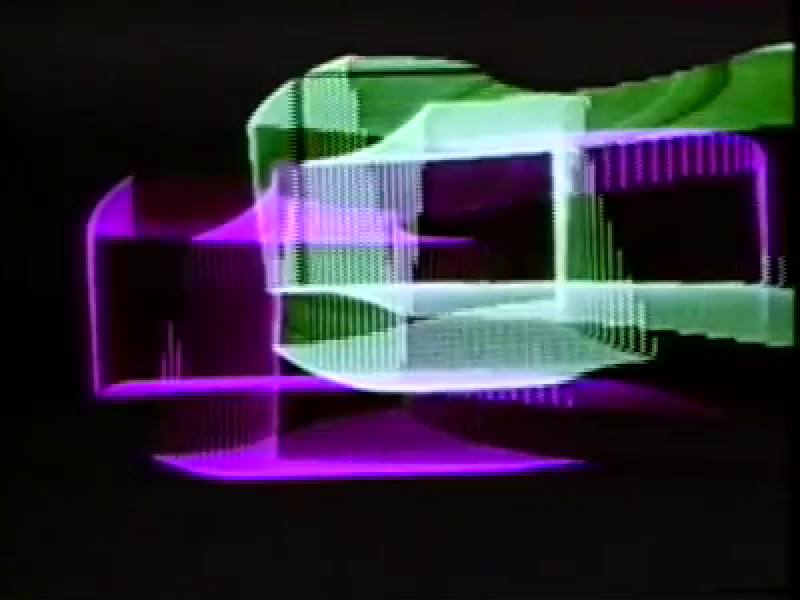
• Catalog (John Whitney, 1961)
A mesmerizing sequence of color and motion, this film explores visual abstraction through analog computation. Using extended exposures and kaleidoscopic symmetry, Whitney creates cinematic structures that echo sacred geometry and digital recursion alike. It’s a foundational work for understanding how moving images can function as both code and ornament.
In the flow of Info Baroque, I see echoes of these films—micro-narratives emerging from repetition, distortion, and pattern logic.The exhibition isn’t linear, but it’s cinematic in the way it loops, mirrors, and glitches. It invites the viewer to read not just images, but systems—like watching a film whose language is entirely visual, symbolic, and recursive.
In the flow of Info Baroque, I see echoes of these films—micro-narratives emerging from repetition, distortion, and pattern logic.
Finally, how do you envision the evolution of digital ornamentation—will it remain a subculture of aesthetics, or do you think we're heading toward a new dominant visual language shaped by algorithms and glitch?
I can’t predict the future, but I sense that digital ornamentation is no longer confined to the margins. What was once a subculture—glitch aesthetics, generative visuals, algorithmic patterns—is steadily becoming part of a larger, evolving visual language. The use of code, systems, and automation allows ornamentation to be dynamic, adaptive, and alive—responding to data, reacting to the environment, or unfolding in real time. In that sense, ornament is no longer static decoration; it becomes process-based, behavioral, even performative.
We’re already seeing this shift in architecture, fashion, gaming, interface design—fields where software generates intricate structures that would be impossible by hand. These new forms echo traditional ornament, but they’re shaped by algorithms, simulations, and feedback loops. Whether or not this becomes the dominant visual language, I believe we’re entering a phase where the ornamental is no longer seen as excess or embellishment—but as a core way of thinking, feeling, and designing in the digital age
Artist and curator Info Baroque Digital Art Auction Françoise Gamma ⚜️ // @FrancoiseGamma
Interview @YNKAdigital