

Yekta ✎ 𝕌𝕟𝕕𝕖𝕣𝕣𝕒𝕥𝕖𝕕: Corrupted Evolution and the Human Soft Error
Interview with digital artist Yekta ✎ 𝕌𝕟𝕕𝕖𝕣𝕣𝕒𝕥𝕖𝕕 on “Corrupted Evolution,” vulnerability, subconscious distortion, and the human soft error in Soft Error: Berlin.
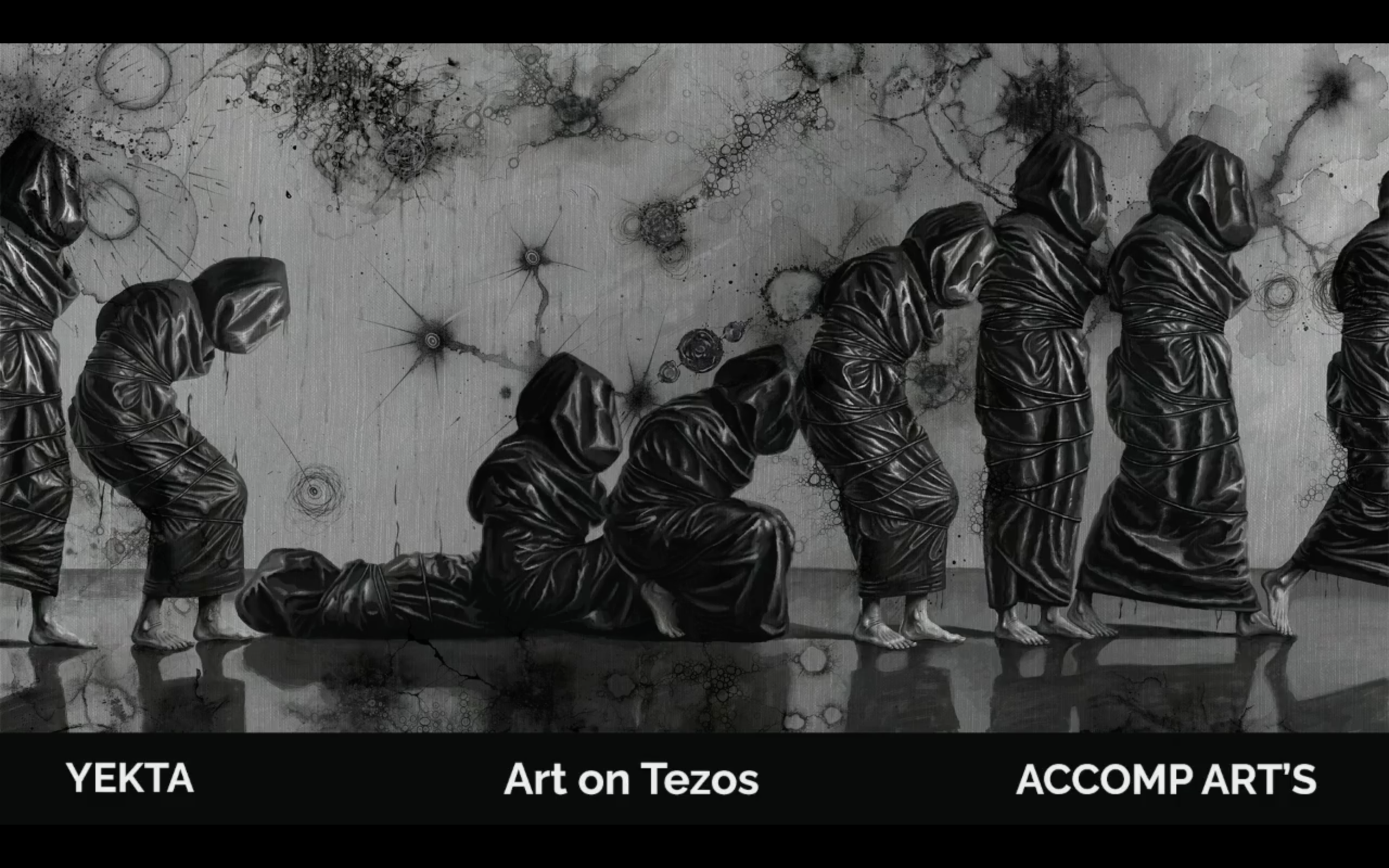 Yekta
Yekta
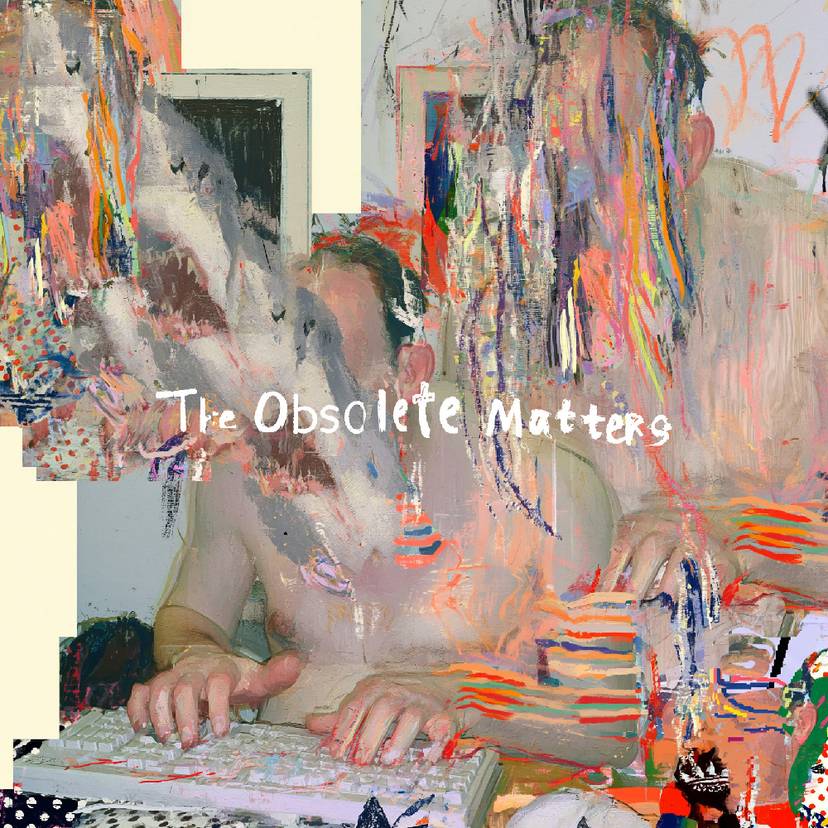
Hossein Yektapour is a painter and digital artist whose practice navigates the tension between human vulnerability, subconscious drives, and cultural taboos. His works often merge figuration with abstraction, confronting the viewer with unsettling truths about the human psyche. Yektapour has been active in both the NFT space and physical painting, developing a distinct visual language that bridges traditional mediums with contemporary themes.
ACCOMPARTS × Art on Tezos: Berlin // “Soft Error”
A/ Your work often confronts the darker, more fragile terrain of the human psyche - vulnerability, subconscious impulse, and emotional distortion. What inner landscape or personal tension first gave rise to Corrupted Evolution?
Corrupted Evolution started because of a deep personal clash. Nights without sleep made me question who I really was versus what others wanted me to be. It was not a sudden breaking but a steady wearing down, a hidden shift stirring urges I had ignored for far too long. That gap between my real self and the face I showed ended up sparking the whole project. Each session feels like peeling back a piece of forgotten time, adjusting it and releasing whatever has been stuck underneath.
Corrupted Evolution started because of a deep personal clash.
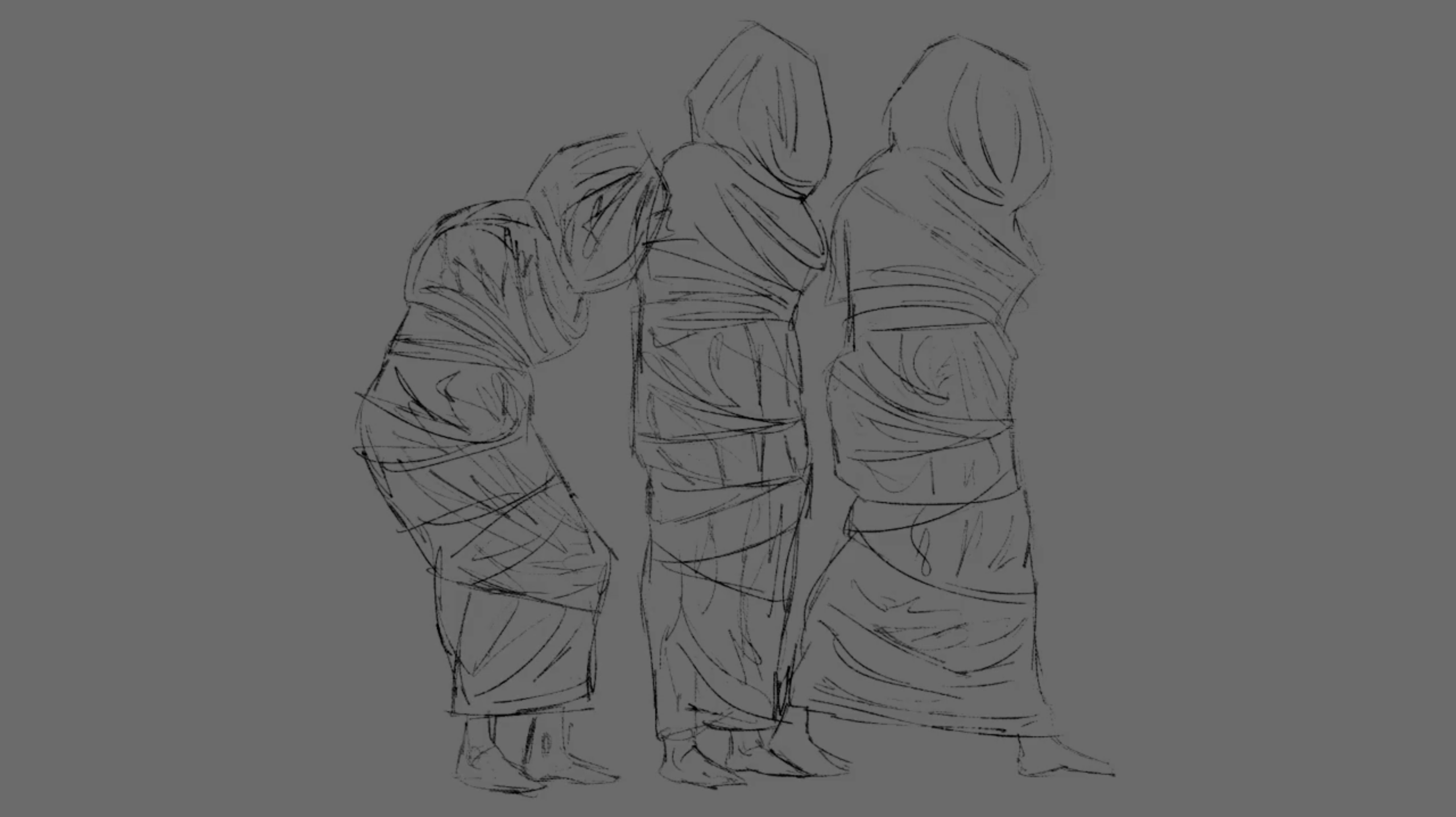
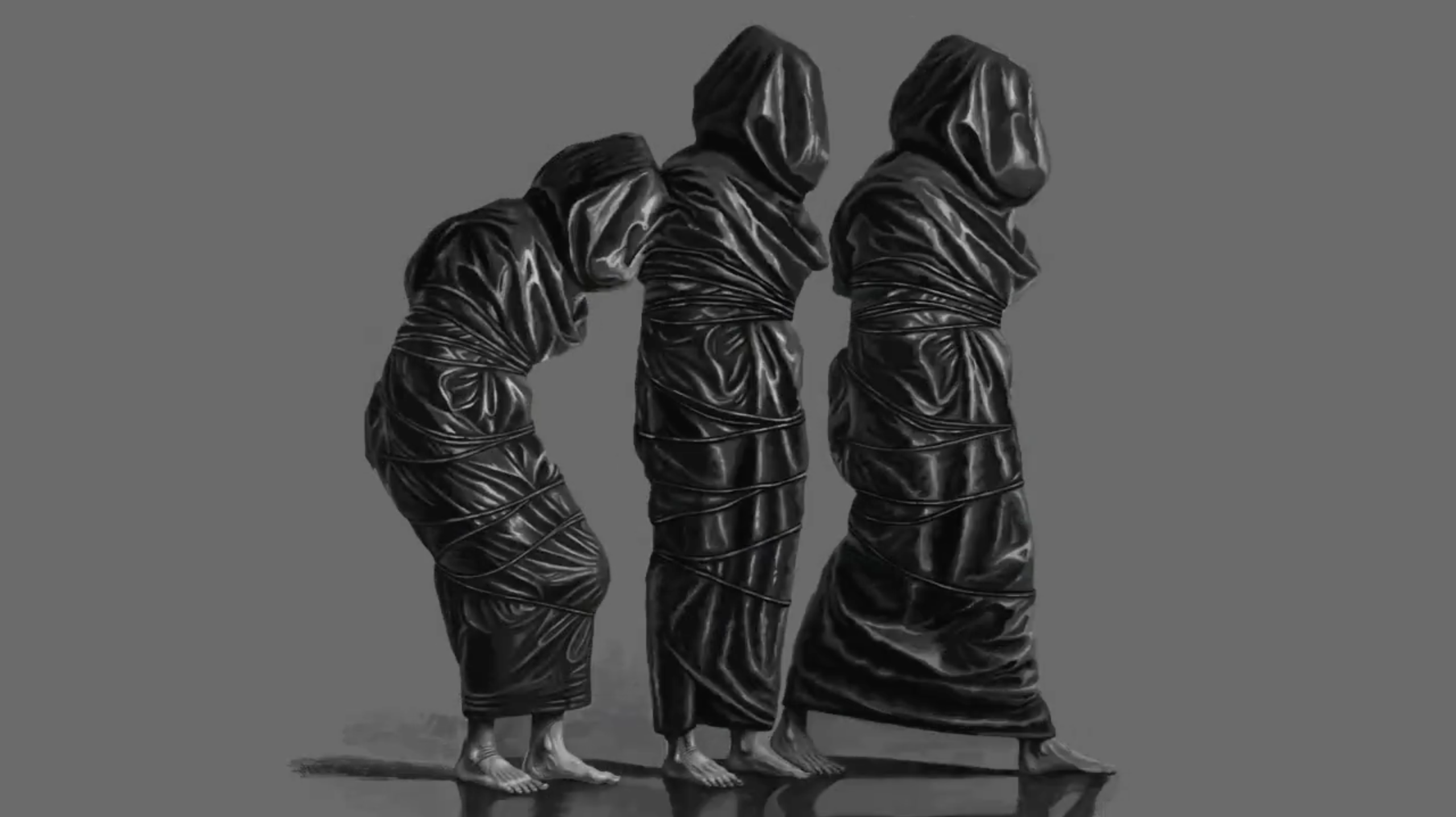
A/ In your statement you write: “Perhaps we are merely the error the world made … we invent new forms of ruin and transformation.” This resonates strongly with Soft Error’s metaphor of harmless faults that alter meaning. How do you see humanity itself functioning as a “soft error” within the world’s larger system?
I think of humanity as a soft error because the smallest, strangest moments in life often end up changing everything. At first they look harmless, almost meaningless, but they twist the entire direction of who we become. We work the same way inside a bigger system. We are not pure destruction and we are not pure creation. We keep messing things up, then rebuilding them into something unexpected. That flawed movement, that quiet malfunction shaping a new form, is exactly where I place us. We corrupt the pattern and somehow the pattern grows because of it.
We are not pure destruction and we are not pure creation.
A/ Your visual language balances figuration and abstraction - bodies dissolve, reassemble, or mutate yet always feel emotionally charged. What guides your decisions on how much to reveal and how much to obscure in the human form?
I make choices on showing or covering the body based on old feelings. If I expose too much, it’s like spilling a secret I meant to keep close. But if everything’s covered, the piece goes flat, lifeless. That’s why I follow what I’m sensing right then. Certain memories blur the shape of the body, making it seem weak, breakable. Some pull it apart, then shove it back together with more force. I aim for that in-between space, clear enough for people to feel it yet still fuzzy like my own thoughts. While one part of me wants sharp edges, the other leans toward smudges. Not too tight, not too loose. Just close enough to reach others without losing what’s inside me.
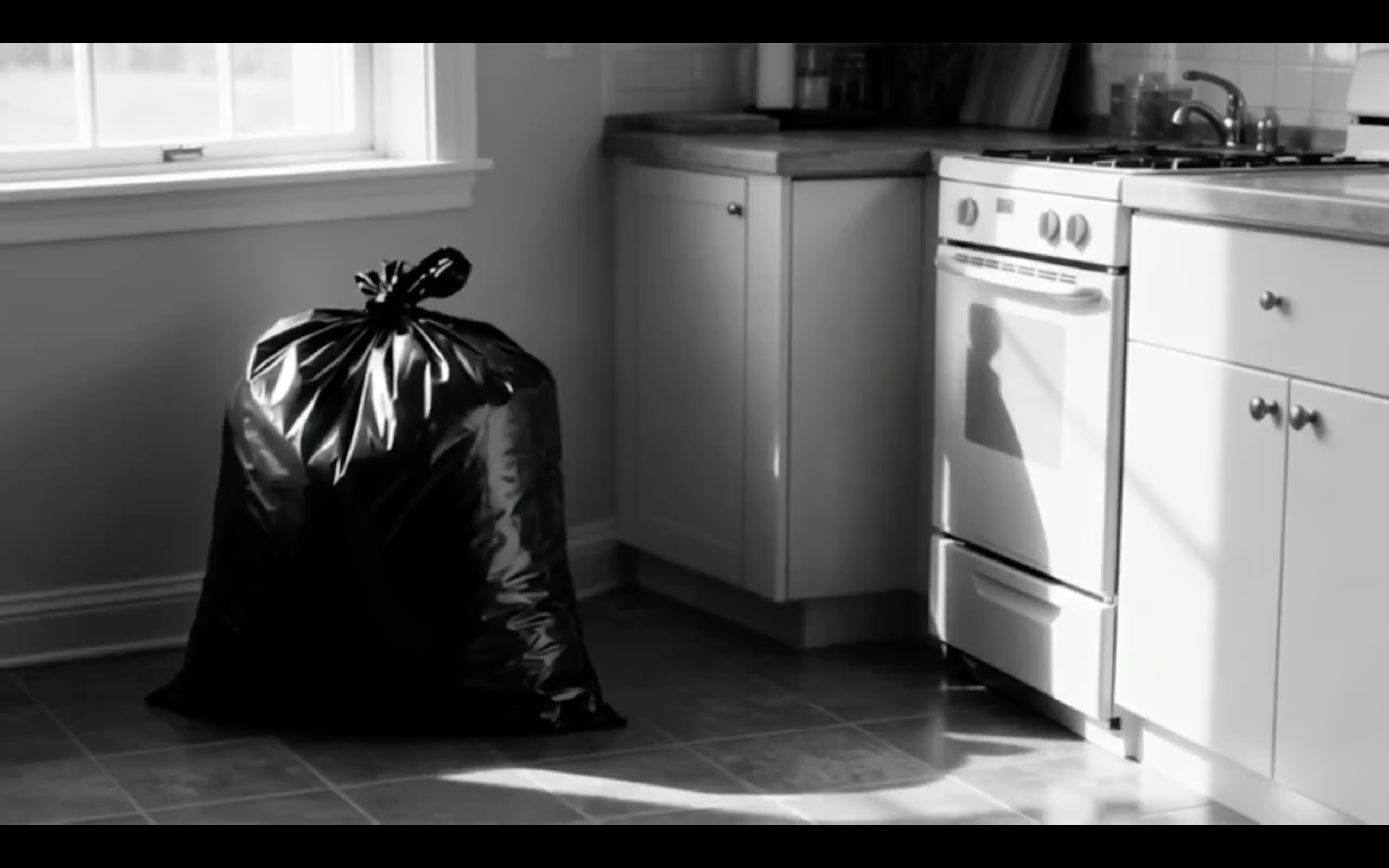
A/ You often describe night, darkness, and shadow as metaphors for psychological space. How do these motifs influence your digital process? Do you begin with a feeling, a narrative, or a purely visual experiment?
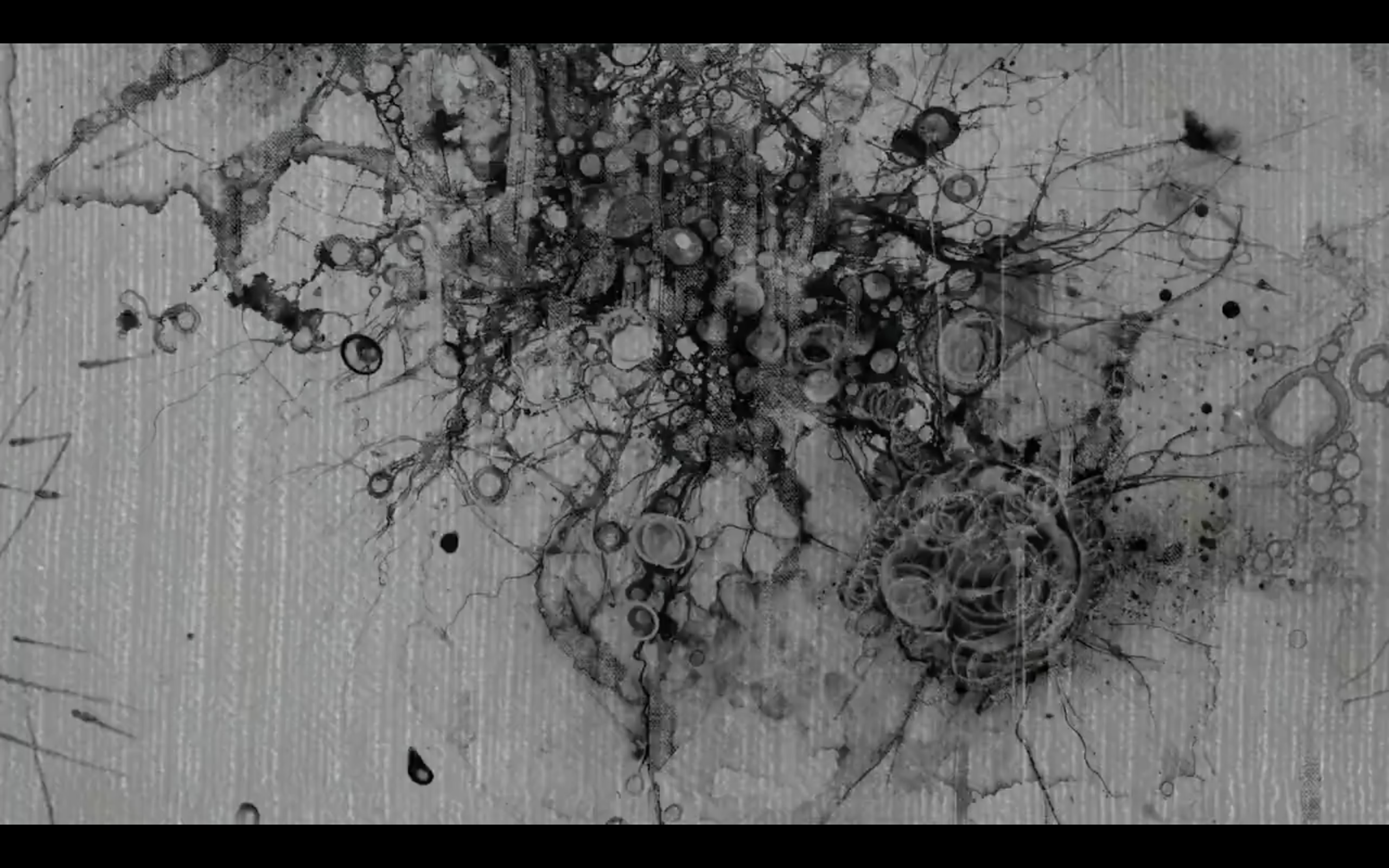
Darkness feels natural somehow, a place where my mind speaks louder without using words. I don’t usually start with images; it’s more like emotions hiding under everyday noise. Maybe a weight in the chest, or a stillness that shows up out of nowhere when everyone’s asleep. That mood slowly becomes something like a half-told story, vague but moving. Then come the layers, piling the way thoughts drift through the mind one after another. Texture forms because thinking never runs in straight lines; it clumps, bends, folds. And online spaces work like inner rooms where shade isn’t empty at all, where it quietly twists things until they shift into something new.
Darkness feels natural somehow, a place where my mind speaks louder without using words.
A/ Coming from a background in physical painting as well as digital art, how do you decide when a work belongs in one medium or the other? Does the concept of “corruption” behave differently on canvas versus screen?
The thought already shows me where it fits. Some ideas thrive with the fluid, changing nature of digital, others crave weight and stability. In screen-based art, I still chase a sense of touch; feel matters most, makes things real. I want people to think they can nearly reach out and feel it. Corruption acts uniquely depending on where you see it. On screen, it seems smooth, always shifting. In real life, it hits harder, stands right in your face. Still, every form gives the idea room to exist naturally.
I still chase a sense of touch; feel matters most, makes things real
A/ Many viewers find your work unsettling yet deeply honest. Do you think art should comfort, disturb, or reveal and what emotional response do you hope collectors carry with them from Corrupted Evolution?
For me, art should reveal not just comfort or disturb, but hold up a mirror to hidden truths. My works feel unsettling because they come from personal honesty facing cultural taboos I’ve experienced. I hope collectors leave Corrupted Evolution with a sense of deep transformation: seeing vulnerability not as weakness, but as a source of power, accepting unconscious impulses, finding beauty even in corruption. I want them left with a personal question: “Who am I in this corrupt system?” That residue, like a planted seed, can grow and change their life.
My works feel unsettling because they come from personal honesty facing cultural taboos I’ve experienced.
Yekta ✎ 𝕌𝕟𝕕𝕖𝕣𝕣𝕒𝕥𝕖𝕕 // @hosseinyektapo1